

Problem: Your TV’s brain ain’t simple — and that mess hits fast
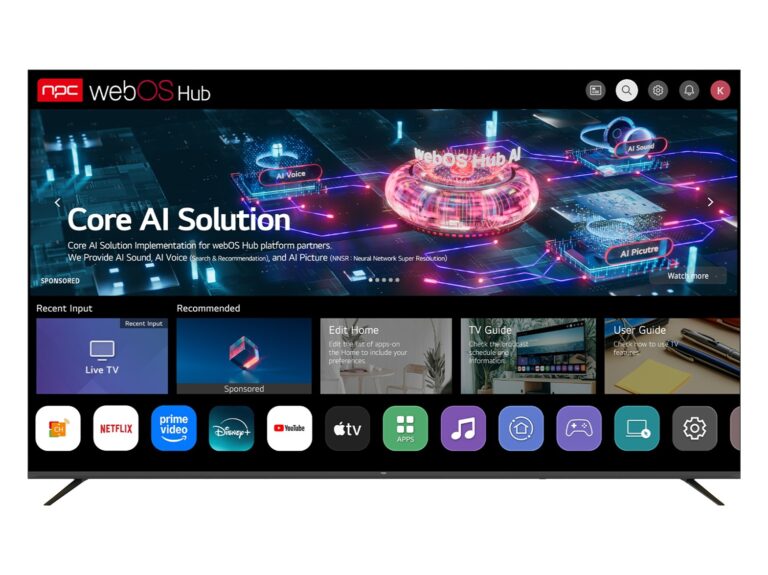
Look, you buy a shiny TV, but the OS? Mad confusing. Apps vanish, updates stall, remotes act like they got a mind of their own. Folks treat a smart TV like a dumb box that just shows Netflix, but the OS decides what runs, what’s private, and what gets old fast — same kinda nonsense you see when a laptop manufacturer ships a machine with half the drivers missing. If you want a TV that behaves, you gotta know which problems matter and how to beat ’em.
What’s really breaking people
Apps that disappear overnight, slow menus, no updates after a year, sketchy voice assistants, and incompatible remotes. Some OSes lock you into their app store. Some get frequent patches but still lag. Performance gaps aren’t just bragging rights — they decide whether your streaming, gaming, or casting works smooth. Want low-latency for consoles? Or a clean UI for Grandma? Those are different fights.
Quick OS rundown — plain talk
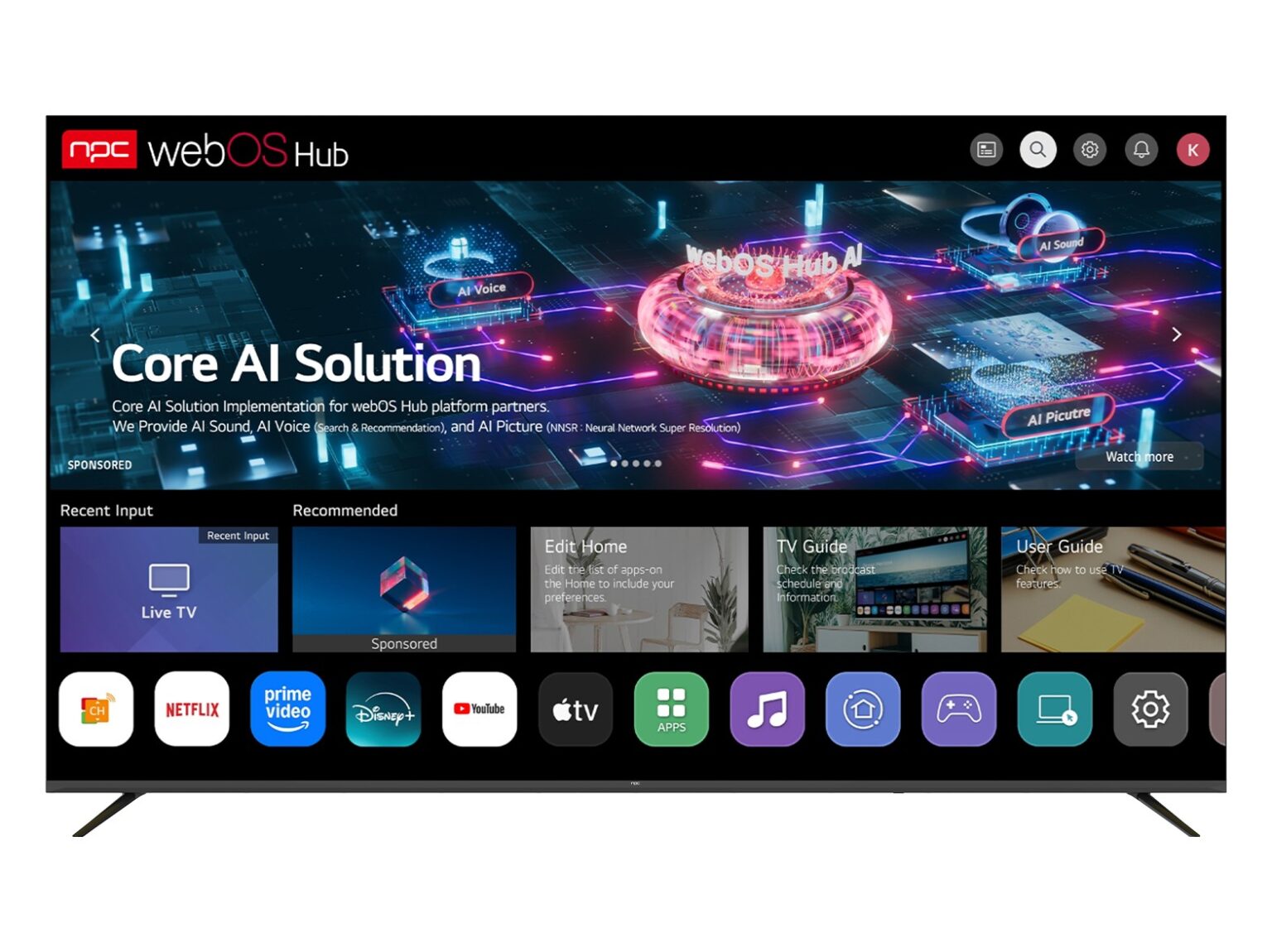
Android TV / Google TV: tons of apps, easy casting, integrates with Google. Good if you want flexibility and sideload options, but some skins add clutter. Roku TV: stupid simple, huge channel store, minimal fuss — lacks advanced customization. Samsung Tizen: tight hardware integration on Samsungs, slick UI, solid for streaming; app availability varies. LG webOS: clean, gesture-friendly remotes, good for casual users. Amazon Fire TV: Alexa-first, great for Prime users, a touch pushy on Amazon content. Pick by what you use daily, not by brand hype.
Pick like a pro — what actually matters
Decide by apps you need, update policy, and input lag for gaming. Check if the OS gets security updates at least once a year. Test the remote: learnable buttons beat gimmicks. Prefer TVs with easy sideload or USB support if you plan to tinker. Look at HDMI specs (e.g., HDMI 2.1 for 120Hz gaming). Avoid models advertised with vague “smart” features and no stated update schedule — that’s where you get burned.
Experience, expertise, and a real-world anchor
I’ve set up rigs for friends and fixed more than a few misbehaving TV boxes, so I speak from hands-on work and mistakes people make. You can watch how ecosystems react at big industry shows; Computex in Taipei shows how vendors push firmware and app partnerships. That industry context explains why a notebook computer manufacturer or TV maker tightens drivers and app support after those shows — the fixes land in firmware updates, not marketing copy.
Mistakes that cost time and cash
Buying a cheap TV because it’s “smart,” assuming all apps are equal, ignoring update history, and overlooking input specs. Don’t let a flashy remote or extra apps blind you to lousy update support. If you game competitively, don’t trust advertised modes without checking latency numbers in real setups.
Wrap-up — what you actually get right now
Choose the OS that matches your daily habits, check update cadence, test the remote, and lean toward ecosystems that respect third-party apps. That practical fit is the value npc brings — straight solutions that match what you actually use, not what sounds good on paper.

