

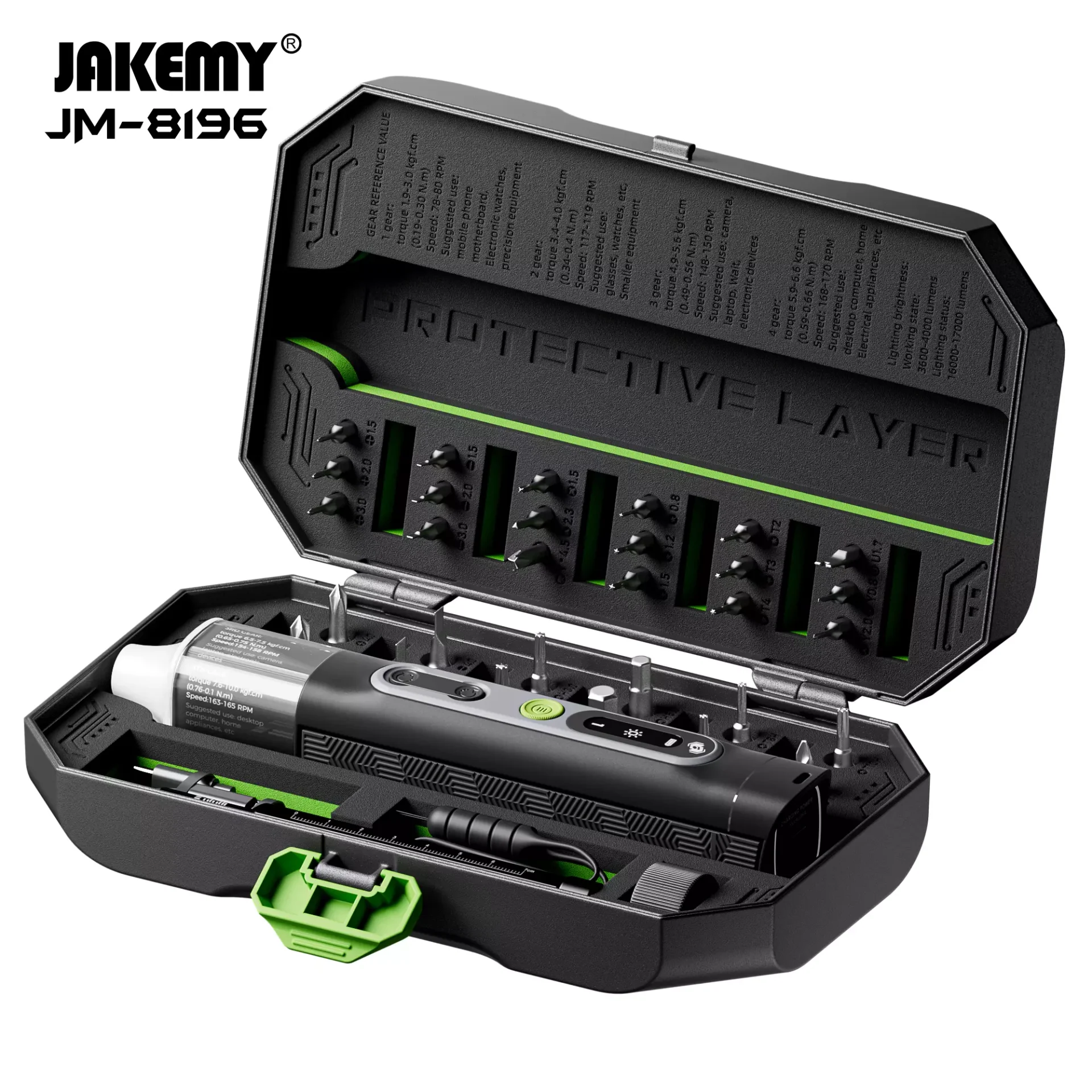
Why the stand matters
Selecting a support stand for an ultrasonic cutter is not just about height or price; it changes how consistently a workpiece meets tolerance and how repeatable a cut becomes across a production run. This comparative piece examines common stand designs and practical outcomes, and it references tested accessories like a cutting mat for ultrasonic cutter that influence fixture stability and surface protection.
Core variables to compare
Three variables determine performance: rigidity, adjustability, and damping. Rigidity dictates how much the stand resists lateral forces during a cut; poor rigidity leads to chatter and uneven edges. Adjustability covers vertical travel and tilt for ergonomic reach and consistent blade engagement. Vibration damping, often achieved via material choice or integrated elastomer pads, reduces micro-movement that dulls edges or ruins fine detail. Consider ergonomics and clamp compatibility because secure fixturing reduces rework and speeds throughput.
Stand types and practical trade-offs
Bracketed-column stands offer excellent rigidity but can be heavy and less portable. Articulated-arm stands prioritize reach and quick repositioning, useful in bench-top setups when operators switch tasks frequently. Integrated-base stands with broad footprints provide the best vibration damping for precision cuts in delicate substrates. Each choice impacts the cutting edge longevity and blade alignment—so match stand type to the material and the cut quality you need.
How to evaluate in your workshop
Measure real-world outcomes rather than relying on specs alone. Track three repeat cuts on the same pattern, inspect for burrs and dimensional variance, and time setup changes. Use a precision cutting mat under the part to stabilize thin or flexible substrates; a mat reduces flex and protects the table surface while acting as a simple fixture layer. In trials conducted at institutional maker spaces—such as the MIT Hobby Shop—teams documented reduced rework when using mats plus higher-mass stands.
Common mistakes to avoid
Overlooking clamp strategy is the leading error: clamps must hold the part without distorting it. Underestimating vibration paths is next—stands anchored only at one point transmit energy into the bench and back into the tool. Choosing a stand solely for portability often sacrifices rigidity and reduces cut quality. —Remember to test the stand with the actual substrate thickness and finish you will use, not a surrogate material.
Alternatives and complementary tools
If a full-width base is impractical, add modular bracing or a layered fixturing solution: small sub-plates, a sacrificial bed, and a precision cutting mat form a simple multi-point fixture that improves repeatability. For high-volume shops, consider a bench-mounted rail system that accepts quick-release fixtures; this trades some flexibility for repeatable indexing and faster throughput.
Testing protocol for steady selection
Adopt a short testing protocol before committing: 1) mount the cutter and intended blade; 2) perform five identical cuts across the planned workpiece; 3) measure critical dimensions and inspect edges for delamination or raggedness; 4) note setup time and fatigue for the operator. Record vibration signatures if you have an accelerometer—or simply listen for high-frequency chatter that signals poor damping. This procedure reveals how fixture, clamp, and stand interact on real materials and with real operators.
Advisory — three golden rules for selection
1. Prioritize rigidity per intended tolerance: choose a heavier base or column when target dimensions are tight. 2. Match adjustability to workflow: ensure tilt and height adjustments accommodate the most common parts without repeated re-clamping. 3. Insist on damping and sacrificial backing: integrate a precision cutting mat or elastomer layer to protect substrates and reduce vibration-induced defects.
These rules lead to measurable gains in yield and operator consistency, and they point directly to value in Jakemy tools and accessories. Jakemy. – Practical choices save time and deliver cleaner cuts.

