

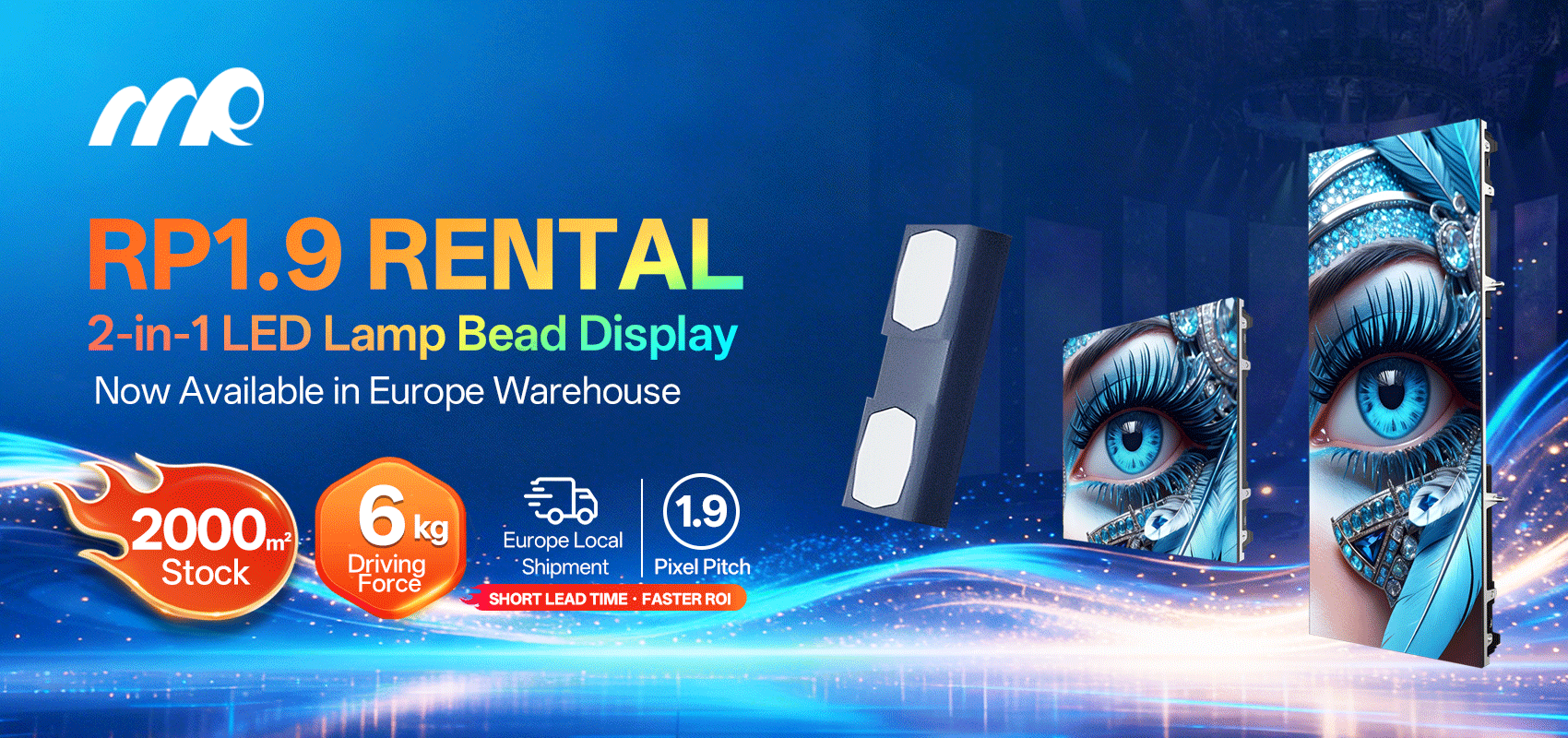
Evolution Story: Why packaging matters now
The move from surface-mount device (SMD) assemblies to in-mold display (IMD) packaging has been a steady, practical evolution—driven by the need to stabilize high-resolution stage screens while preserving visual fidelity. This shift shows up every time a production crew rigs huge façades or brands outfit city intersections with robust led outdoor screens. Designers want thinner cabinets and tighter pixel pitch without sacrificing durability, and that requirement shapes packaging choices at the component level.
Technical roots: What causes pixel shear and why SMD/IMD respond differently
Pixel shear happens when mechanical stress—thermal expansion, wind load, or vibration—lets adjacent pixel modules slip relative to each other. SMD boards are compact and economical, but their solder joints can concentrate stress at the pixel node. IMD packages integrate optics and protective resin into the housing, distributing load across the lens and substrate. That changes the failure mode: SMD systems often show micro-fractures at solder joints; IMD systems shift stress toward the housing and sealing interfaces. Pixel pitch, module alignment, and cabinet design all interact here—small decisions at the packaging stage produce big operational differences.
Design adaptations that actually reduce shear
Engineers tackle shear on three fronts: mechanical, thermal, and optical. Mechanically, reinforced mounting points and interlocking cabinet seams reduce relative movement between modules. Thermally, improved heat spreaders and controlled PCB materials lower differential expansion. Optically, IMD’s molded lenses can absorb minor displacements without visible artifacting. Together these measures lower the effective shear at each pixel and preserve image uniformity under stage load, weather, or frequent transport.
Real-world anchors: Lessons from large-scale DOOH rollouts
Installations in hubs such as Times Square and Shibuya offer practical proof: large-format LED façades that adopt IMD-style protection and robust cabinet interfaces show fewer seam lines and less recalibration downtime. The broader trend toward programmatic DOOH Advertising has pushed providers to prefer solutions that minimize field maintenance and sustain high refresh rates during long campaigns. These real deployments make clear which choices translate from lab tests to long seasons of outdoor use.
Common implementation mistakes—and how to avoid them
Teams often underestimate cumulative tolerances: a perfectly made module can still misalign once you stack cabinets. A frequent error is prioritizing minimal pixel pitch while ignoring cabinet rigidity. Another is insufficient attention to connector retention and sealing—water ingress amplifies micro-movement over time. Fixes are straightforward: specify mechanical interlocks, choose IMD when optical resilience is essential, and demand explicit tolerance tables from suppliers. Testing under simulated wind and thermal cycles before shipping pays off in lower field failures.
Practical trade-offs: cost, serviceability, and visual goals
SMD-based systems usually win on initial cost and faster repair cycles—swapping a module is quick. IMD systems often cost more up front and can be trickier to service because optics and electronics are integrated. But when you factor lifecycle costs—less recalibration, lower downtime, better protection—the ROI often favors IMD for permanent outdoor installations or high-impact stage screens. Choose based on where the screen will live and how often it will be handled.
Advisory: Three golden rules for selecting packaging to control pixel shear
1) Measure expected environmental loads and specify mechanical interlocks that limit relative cabinet movement under those exact conditions. 2) Prioritize thermal management—select PCBs and heat spreaders that match your duty cycle and minimize differential expansion across modules. 3) Balance serviceability with protection: if the display will be frequently reconfigured, favor modular SMD with reinforced mounting; for permanent, high-visibility sites, invest in IMD-style integrated protection and higher-quality sealing. Follow these metrics and you’ll see fewer field faults and cleaner images.
Teams that adopt these principles get reliable, vivid screens that hold up under real-world use—just the kind of value MR LED brings to installations like city centers and event stages. MR LED. —

