

Introduction and Analytical Premise
Procurement decisions should rest on measurable criteria rather than intuition; this checklist presents that approach for a monitor manufacturer by converting technical requirements and supply signals into quantifiable thresholds. I propose clear KPIs for panel performance, supplier reliability, and total landed cost; the first application of these metrics is often with a monitor manufacturer seeking predictable margins and fewer quality incidents.
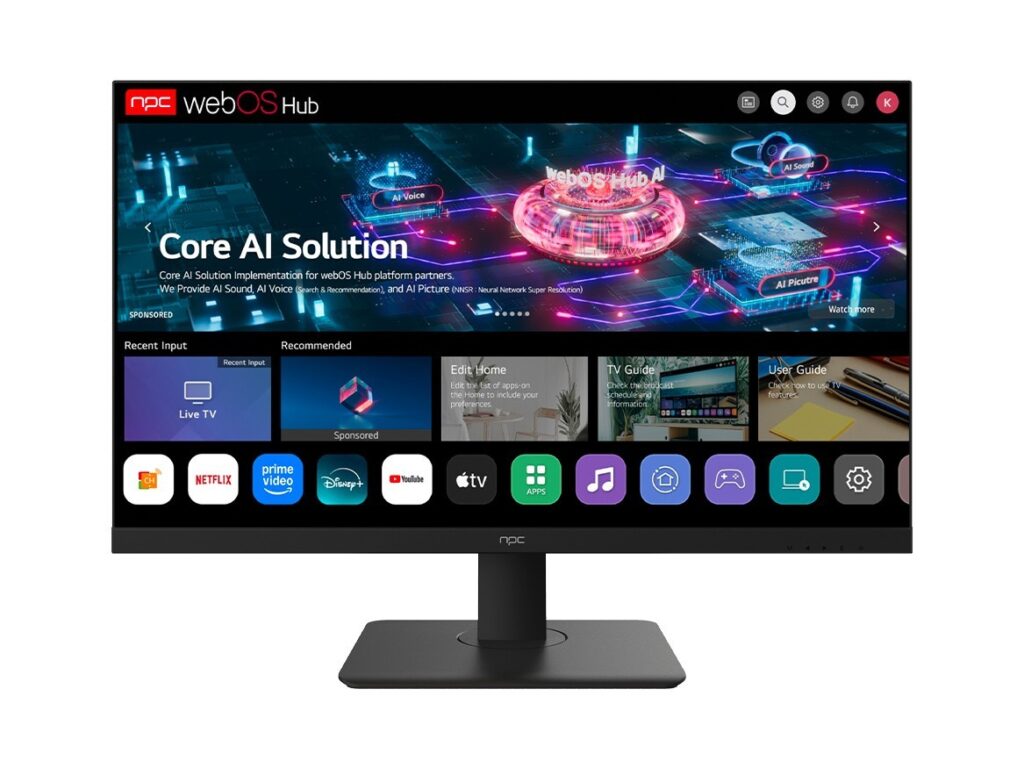
Define Requirements and Target Metrics
Translate product brief into numeric targets: (1) Panel: IPS/VA preference, native resolution 1920×1080 minimum for entry models; (2) Optical: typical luminance 250–300 cd/m², contrast ratio ≥1000:1 for VA or measured Delta E ≤3 for sRGB coverage ≥95%; (3) Motion: 60–75 Hz for office grade, 120 Hz+ for gaming tiers; (4) Power: typical on-state ≤25 W for 24″ panels; (5) Durability: MTBF >30,000 hours. Attach tolerance bands and prioritise attributes by customer segment (e.g., price-sensitive vs. professional). These targets become pass/fail gates in vendor evaluation and help avoid scope creep during negotiations.
Supplier Evaluation and Scoring Model
Construct a weighted scoring model: quality (40%), capacity & lead time (20%), commercial terms (20%), regulatory & sustainability compliance (10%), after‑sales support (10%). Use concrete thresholds: quality score requires defect rate ≤0.5% on first lot; capacity score requires demonstrated ability to ship minimum order quantity within 8–12 weeks; payment terms score merits more weight when supplier offers 60–90 day trade credit. Score suppliers quarterly and require corrective action plans when any supplier drops below 70%.
Quality Control and Acceptance Criteria
Adopt acceptance sampling and AQL targets tied to product class: final inspection AQL 0.65% for critical defects; sample sizes based on lot size using established tables. Require incoming inspection for backlight uniformity, pixel defect mapping, and color calibration checks against a reference spectroradiometer. Insist on traceability of key components (panels, backlights, power boards) and mandate root cause analysis for returns above 0.2% within the first six months in field.
Logistics, Lead Time and Cost Targets
Set lead-time windows and buffers: vendor lead time target 8–12 weeks; planning buffer 2–4 weeks depending on seasonality. Define landed cost components explicitly: EXW, inland freight, customs duty, VAT, test and inspection, warranty reserve, and buffer for obsolescence. For entry-level ranges, aim for target FOB cost that supports MSRP bands and gross-margin goals; use historical purchase data to model reorder points and safety stock to avoid stockouts during peaks.
Commercial Clauses and Warranty Terms
Negotiate clauses that protect buyer economics: clear warranty period (e.g., 24 months), failure rate penalties if field returns exceed agreed thresholds, defined repair vs. replace processes, and an agreed warranty reserve. Include acceptance sampling plans in contract and require supplier to carry insurance covering third‑party claims. Define intellectual property ownership for custom firmware and require code escrow for critical control binaries.
Common Pitfalls and Risk Mitigation
Avoid excessive specification that forces single‑source dependence; over‑tight color tolerances can increase cost without commensurate customer value. Do not accept verbal commitments on lead time—require performance SLAs. Do not postpone supplier audits when early indicators show production slippage; short audits and targeted corrective actions are more effective than waiting for quarterly reviews. Plan for component obsolescence by requiring BOM visibility and secondary source approval.
Experience, Evidence and Credibility
I present these recommendations based on extended procurement practice and measurable program results, including projects conducted at major venues such as CES in Las Vegas where supply trends and vendor roadmaps are openly examined; these industry observations align with public reporting and conference disclosures. Practical evidence includes multi‑year defect-rate reduction programs and negotiated SLA frameworks; for practical reference when evaluating low-cost tiers see comparative performance data for a representative budget computer monitor, which illustrates trade-offs between panel choice, calibration effort, and price. Standards and sampling methods referenced are consistent with common trade practice and inspection norms; the checklist therefore reflects operational authority rather than speculative advice.
Implementation Checklist (Action Items)
1) Finalise numeric product KPIs and tolerance bands; 2) Build supplier scorecard and set minimum acceptable score of 70%; 3) Contractually embed AQL and SLAs; 4) Define landed-cost model and target FOB ranges for each product tier; 5) Schedule initial supplier audit and quarterly performance review; 6) Create warranty reserve and failure‑rate escalation rules; 7) Approve secondary sources for critical subcomponents; 8) Run pilot lot with full inspection before mass production.
Conclusion and Strategic Result
When procurement converts specifications into measurable targets and enforces them through contracts, sampling and scorecards, manufacturer risk and variability decrease and time to corrective action shortens; adherence to the checklist produces repeatable outcomes and clearer supplier performance dialogue, which is the precise operational advantage partners such as npc were built to supply.

