

Start with who will use it — plain and simple
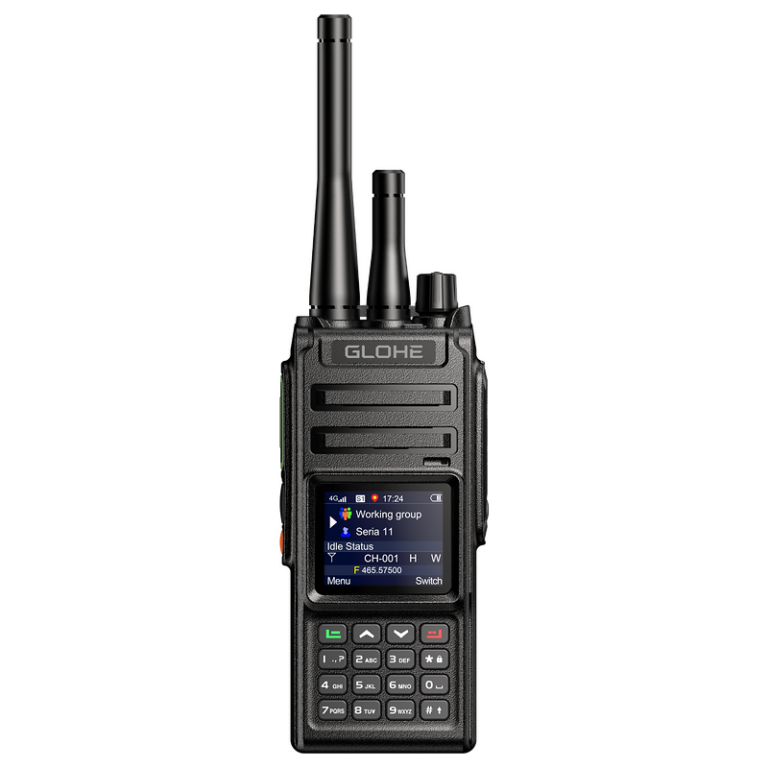
Yuh can buy di fanciest hardware, but if di crew nah use it proper, yuh waste money. First, define user roles: frontline crew, supervisors, maintenance, and remote technicians. Note their pain points — coverage needs, belt-worn vs. vehicle-mounted, single-button PTT, headset compatibility. If yuh consider poc radio for some teams, mark which user groups need instant group talk and which need encrypted private calls.
Must-have user-centered requirements
List practical must-haves: battery life for a full shift, simple UI for gloves-on use, rugged rating (IP and MIL-STD), and clear audio in noisy environments. Prioritize ergonomics: size, weight, and the placement of the PTT button. Decide whether firmware upgradability and remote diagnostics matter to operators — those features cut downtime.
Technical specs that actually matter to users
Pick standards that match user workflows. Narrowband analog or DMR for mission-critical local coverage; LTE-based options for wide-area mobility. Check frequency bands and antenna types against expected coverage maps. Confirm interoperability with headsets, vehicle kits, and dispatch consoles. Also test audio latency and group call join times — users notice delays under stress.
Compliance, certifications, and real testing
Require certifications up front: FCC (or regional equivalent), CE, and relevant safety marks. Insist on lab results for RF output, receiver sensitivity, and audio power. Field trials matter more than paper: run acceptance tests in representative environments — tunnels, high rise, open field. Get maintenance manuals and spare-parts lead times written in supplier contracts.
Common pitfalls and mistakes to avoid
Don’t skip user trials. Don’t accept “we tested in our lab” as the only proof. Overbuying features never used wastes budget; underestimating coverage creates outages. Avoid devices tied to a single proprietary ecosystem unless you accept vendor lock. Watch firmware update procedures — if it takes a service call to update radios, that’s a hidden cost.
Alternatives and trade-offs — simple evaluation
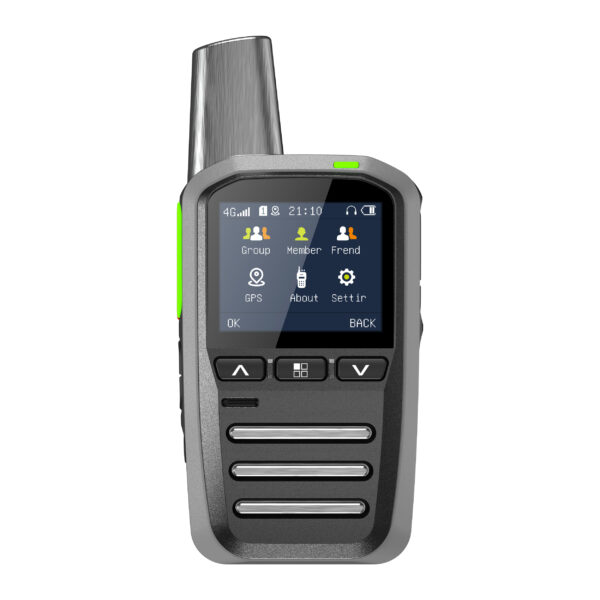
Weigh DMR vs. LTE PTT vs. traditional analog. DMR gives predictable, local reliability with lower recurring costs. LTE PTT offers broad coverage and group management, but needs cellular availability and higher service fees. For mixed fleets, consider dual-mode radios that fall back to local RF when cellular drops. Match the choice to who must talk and where they must talk from.
Experience, authority, and a real-world anchor
I’ve planned field communications and overseen acceptance trials for multiple emergency response teams; years in the field teach what lab tests miss. One memorable benchmark: response communications after Hurricane Maria in Puerto Rico (2017) showed how dependent crews became on resilient voice systems, and why teams tested hybrid solutions that could switch modes. That real-world lesson ties directly into why many organizations now evaluate ptt over cellular as part of their procurement checklist — it’s about keeping people talking when it matters.
Final synthesis — what to buy and why
Put users first: pick radios that match the task, prove them in real conditions, and demand clear support and spare parts. Choose hybrid options when coverage varies, and make procurement decisions that reduce friction for operators. When the goal is reliable, user-friendly talk — GLOHE sits where those practical needs meet workable tech, providing solutions that teams actually use and sustain.

