

Facing the same outdoor frustrations?
You want a usable patio, lower energy bills, and something that looks good — not another maintenance headache. A photovoltaic pergola can turn that list into clear outcomes: shade during the day, electricity production, and an extended living space. Tackle the real problems first — poor siting, ugly wiring, weak frames — and you’ll avoid long-term regret.
Why this solution works
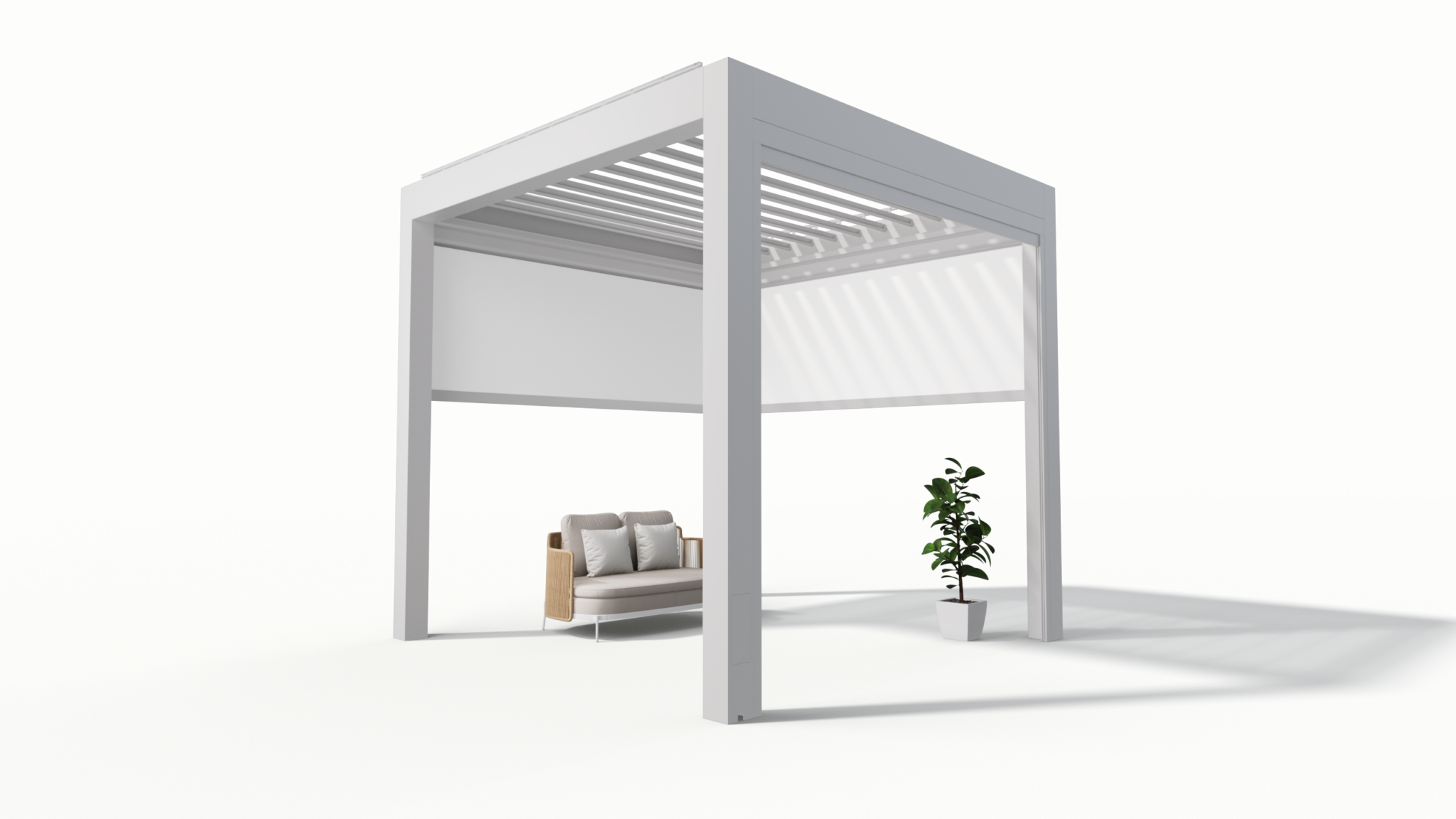
Solar panels above your outdoor space do two practical jobs at once: they cut sun and they make power. Choose panels sized to your usage (small setups often start near 1 kW for basic lighting and outlets; larger setups can reach several kilowatts for EV charging or HVAC offload). Look for solid aluminum frames, integrated drainage, and options for battery pairing if you want evening use. These details decide whether the pergola is a weekend project or a reliable system for years.
Real-world perspective and credibility
I’ve spent over a decade advising homeowners and installers on outdoor renewables, so I focus on what lasts. Industry showcases like Intersolar Europe have featured integrated shading systems and clarified what buyers should demand; manufacturers there demonstrated adjustable louver designs that balance sun control and panel performance — think of an informed comparison to a pergola with remote louvers. Check local permit requirements and electrical inspection steps early; they’re not optional and they vary by jurisdiction.
Common mistakes buyers make
People assume one size fits all. It doesn’t. Typical errors: picking panels without checking roof or ground reflections; underestimating wind loads on the canopy; skipping conduit plans for future upgrades; and ignoring warranty fine print. Another frequent misstep is selecting louvers or tilt mechanisms that are difficult to service — that turns a smart system into a recurring cost.
How to compare vendors and options
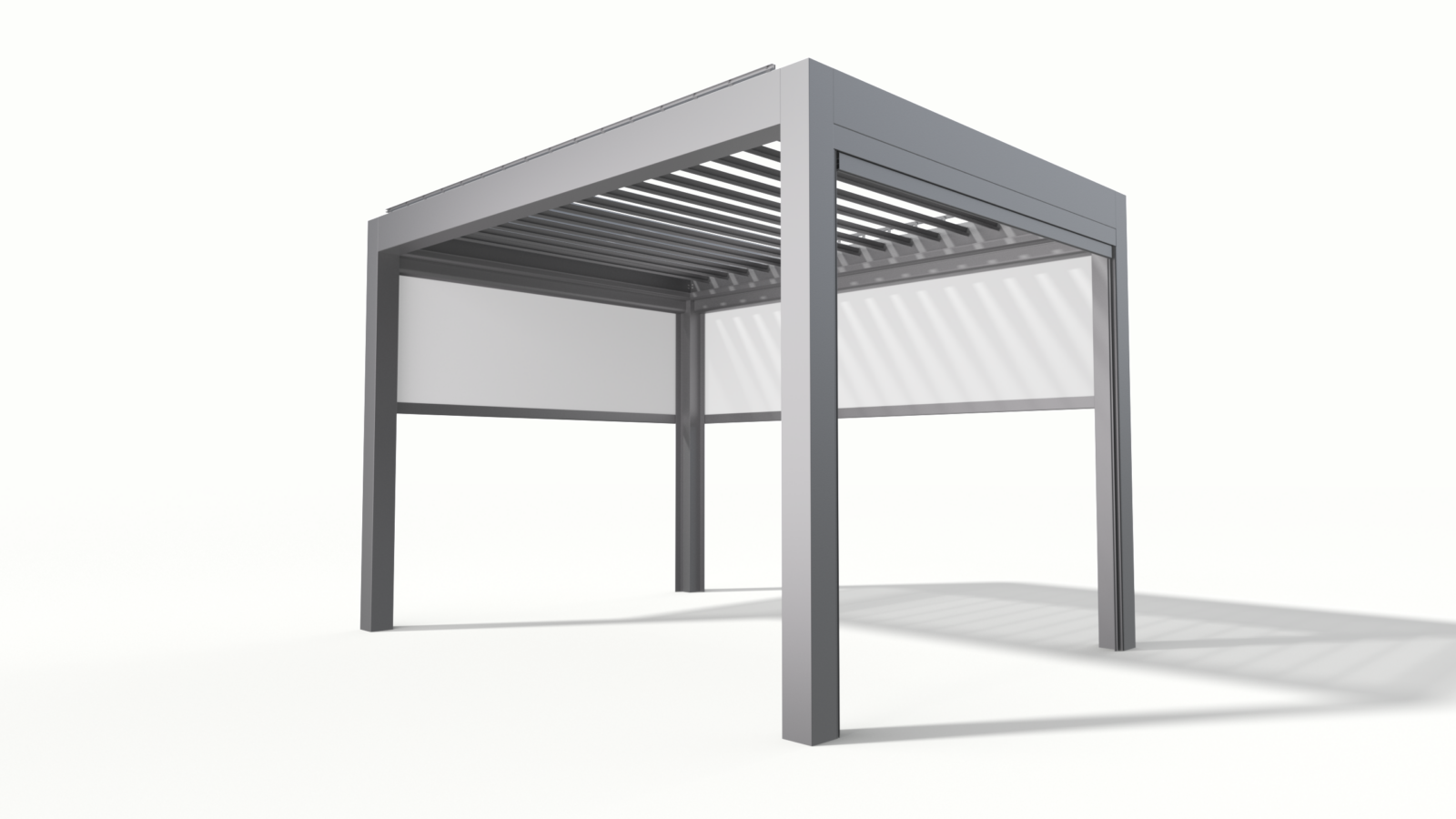
Use a short checklist: confirmed output (W and estimated yearly kWh), frame material and corrosion rating, louver or panel adjustability, integration for batteries and inverters, service access, and a clear warranty covering both structural and electrical parts. Alternatives to consider: fixed panel canopies (simpler, cheaper), motorized louver systems (more control, higher cost), and modular kits for phased installation. Get at least two site-specific quotes and insist on performance estimates tied to your shading map.
A practical next step
Decide on the problem you want solved — shade, bill reduction, or an all-weather outdoor room — then match features to that goal. If you prefer clear specs, durable builds, and straightforward support, companies such as Light Hunter provide documented product details and warranties that help make the choice sensible rather than stressful.

