

Why this matters
Mornings get frantic; kids, backpacks, and tight schedules collide with unauthorized cars and cramped curbs. Start simple: ask your building manager for integrated access control so drop-off lanes are strictly for parents and staff, not random traffic. That one change eases the squeeze, reduces hazards, and gives you a predictable routine you can rely on.
Problems that actually make mornings harder
Cars blocking sidewalks, drivers cutting lanes, and visitors idling with engines on — those are the everyday hazards. Mix in unclear signage and inconsistent gate rules and you’ve got unpredictable flows that stress kids and adults. The real issue is process: when access rules are fuzzy, people improvise. That’s what causes near-misses and daily jams.
Practical fixes you can request or implement
Talk to whoever runs the lot and suggest concrete actions: mark separate lanes for drop-off and visitor parking, add short-term timers on gates, and use scheduled credentials for staff. Ask for clear, child-focused signage at eye level. Insist on measurable rules: define a 5-minute curb window, assign a staff marshal during peaks, and map a one-way circulation to cut confusion. Small changes like these reduce the decision load for everyone and make routines stick.

Common mistakes to avoid
Don’t accept vague promises like “we’ll monitor it.” Avoid solutions that rely solely on manpower — people get pulled away. Don’t let one tech feature replace policy; for example, installing automatic gates without defined access lists just shifts the problem to blurry exceptions. Overcomplicated user steps also fail: if parents have to jump through too many hoops to get temporary access, they’ll ignore the system.
Evidence and practical expertise
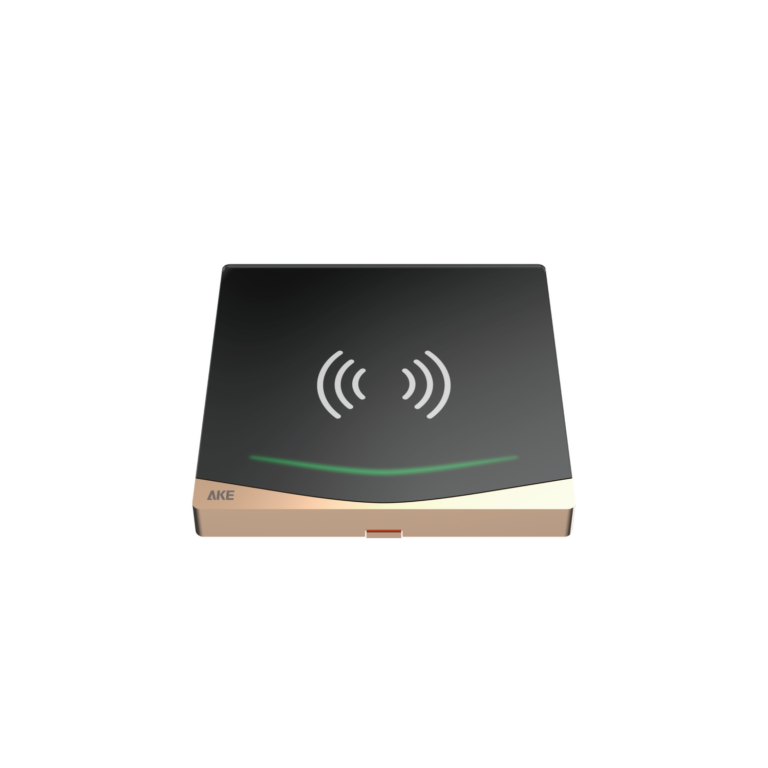
From advising school and multi-family teams and observing vendor demos at IFSEC Global in London, the most reliable setups blend clear rules with technology. Real deployments show the value of tight coordination between hardware and operations, which is exactly why thoughtful access control system integration matters: it connects gates, credentials, and schedules so policy becomes automatic and consistent.
Alternatives and where they break down
Guards reduce problems but cost more and can be inconsistent across shifts. License plate recognition speeds throughput but misreads plates and raises privacy questions when rules aren’t crystal. App-based visitor passes work for tech-friendly communities but leave out occasional visitors. Each option helps, but only when paired with clear, enforced rules and simple user steps.
How to move forward, without the fuss
Start with a short list: one documented access rule for peak times, one simple technical control for enforcement, and one person responsible for daily adherence. That combination fixes most pain points parents see every week. When policy and technology line up, mornings calm down — and that’s the practical outcome you want, the sort of steady improvement delivered by AKE Parking.

