

Where the line tastes wrong
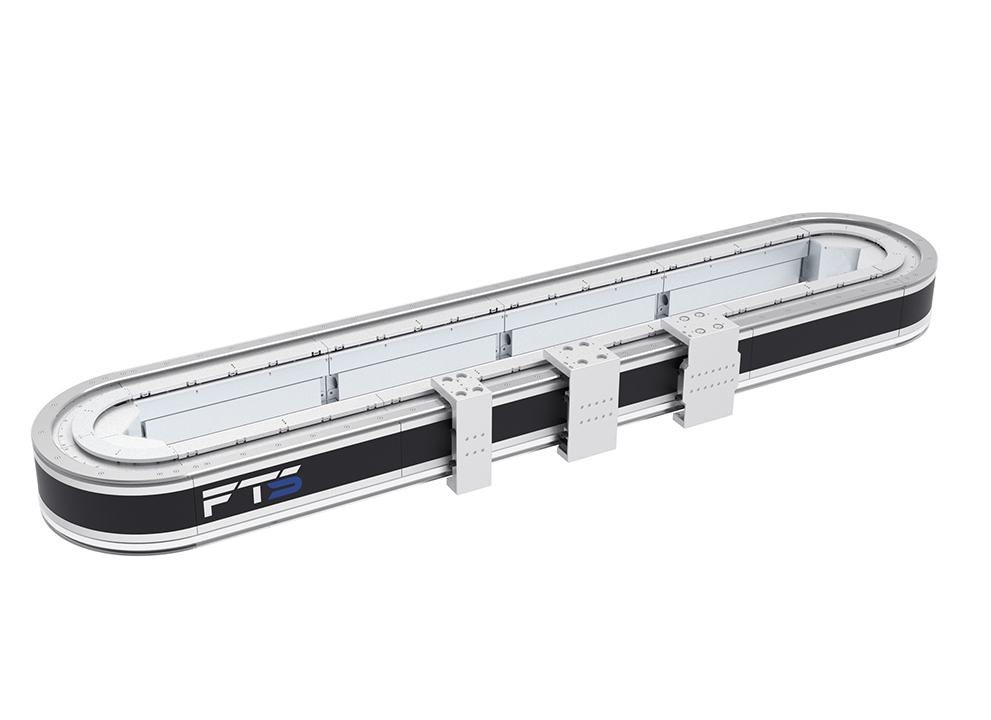
The problem starts like a burnt sauce: parts stick, timing slips, and yield drops—fast. On blade battery assembly and module production lines, misfeeds and alignment errors show up as scars on the finished packs. I’ve watched a production shift stall because a transfer arm nudged a cell at the wrong angle; the result was a day of rework. A quiet fix is often an intelligent conveyor system that smooths handoffs, but first you must diagnose the exact texture of the failure—speed jitter, lateral drift, or intermittent stops. This is a problem-driven piece: identify the fault, then match hardware and control to the symptom.
Diagnose by feel: common failure profiles
Think of each fault as a flavor. Taste the line and you’ll find patterns:
- Metallic grit (mechanical wear): rough starts, sudden torque spikes.
- Sour timing (control mismatch): sensors report OK but actuators lag.
- Bland throughput (poor layout): conveyors bottleneck at handling stations.
- Brittle product (thermal or pressure issues): adhesives fail, modules delaminate.
Match the profile before buying components. I’ve specified drives and guides for battery lines and learned that guessing at causes wastes months.

Fixes that actually change texture
Targeted fixes deliver the most taste improvement:
- Reduce lateral play: choose linear guides with preload and proper rail spacing; they resist side load without binding.
- Control jitter: upgrade to servodrives with higher resolution encoders and better closed-loop tuning.
- Smooth handoffs: time micro-conveyors or gapless indexing to avoid shoving cells.
- Protect against contaminants: seal rails and choose corrosion-resistant bearings near electrolyte handling.
When selecting parts, prioritize repeatable positioning over raw speed. That repeatability is what prevents scrap.
The motion backbone: rails, slides, and their choreography
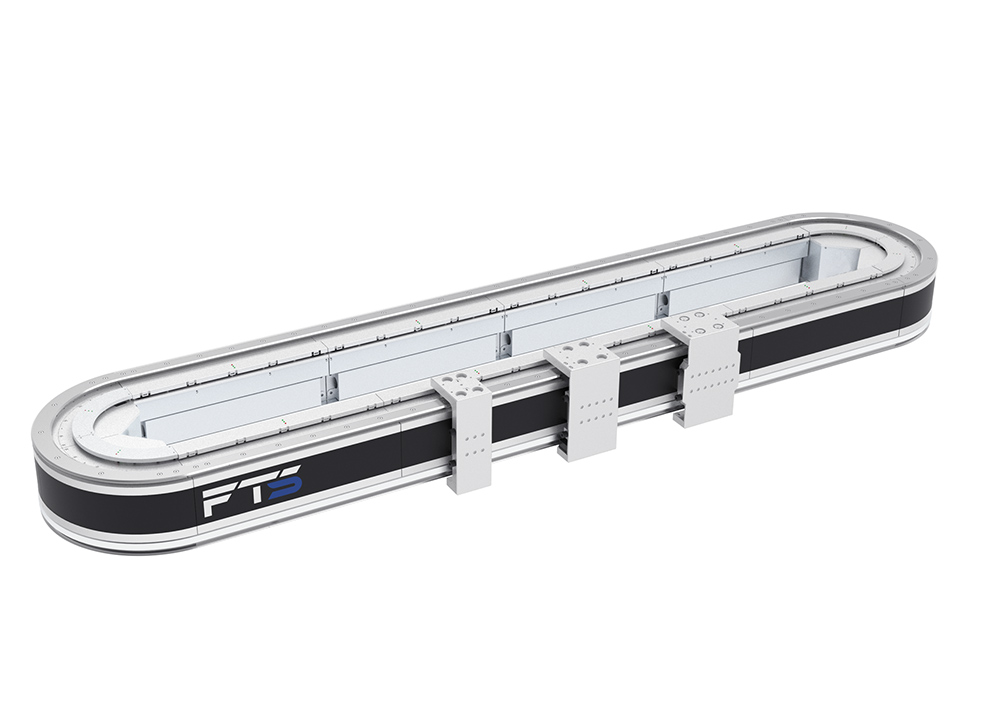
Most yield problems trace back to motion elements. A precise linear motion system changes the entire feel of an assembly operation—smooth acceleration, predictable settling, fewer shocks to fragile cells. Key spec points:
- Static and dynamic load ratings aligned to carriage mass and peak process forces.
- Life estimates based on cycles per minute, not just hours.
- Mounting tolerances and one-time shimming steps documented to keep interchangeability.
Don’t buy rails for a “typical” machine; buy them for your takt time and your worst-case side load.
Pitfalls teams keep repeating
Teams often make the same mistakes:
- Overspecifying speed while underspecifying control bandwidth—fast moves that can’t stop accurately.
- Neglecting lubrication schedules; an inch of neglect shortens life drastically.
- Ignoring sensor placement—too close, and you get false triggers; too far, and the system reacts late.
- Choosing generic belts for heavy modules—flex gives, parts misalign, welds fail.
Fix the process first, then the parts. The hardware must support the process rhythm, not redefine it.
Real-world validation
At Hannover Messe I listened to OEMs and motion suppliers debate rail tolerances and condition monitoring; the consensus favored condition-aware components over blind replacement cycles. That trade-show dialogue reflects what works on the floor: sensors that report trend data, paired with rails and actuators designed for continuous, high-cycle duty in battery assembly.
How to choose and evaluate vendors
Ask for data, not promises. Request cycle-life curves for your duty cycle, Vibration Response plots for your conveyor layouts, and witness runs on similar products. Compare these tangible proofs:
- Performance logs from comparable lines.
- Warranty terms tied to cycles, not just time.
- Serviceability—can a technician swap a carriage without realigning the entire rail?
You want partners who bring measurement and repeatable tests to the table.
Final synthesis
Think like a cook fixing a ruined dish: identify the off note, adjust one variable, taste again. For blade battery assembly and module production that means diagnosing the failure profile, selecting motion and conveyor technologies to match force and cycle demands, and insisting on measurable proofs of performance. The right components and thoughtful integration restore a line’s rhythm; they make the whole system glide the way a well-tuned machine should—quiet, precise, predictable, and durable, much like the practical solutions provided by FHS.

