

Why it feels like every lot is a boss fight
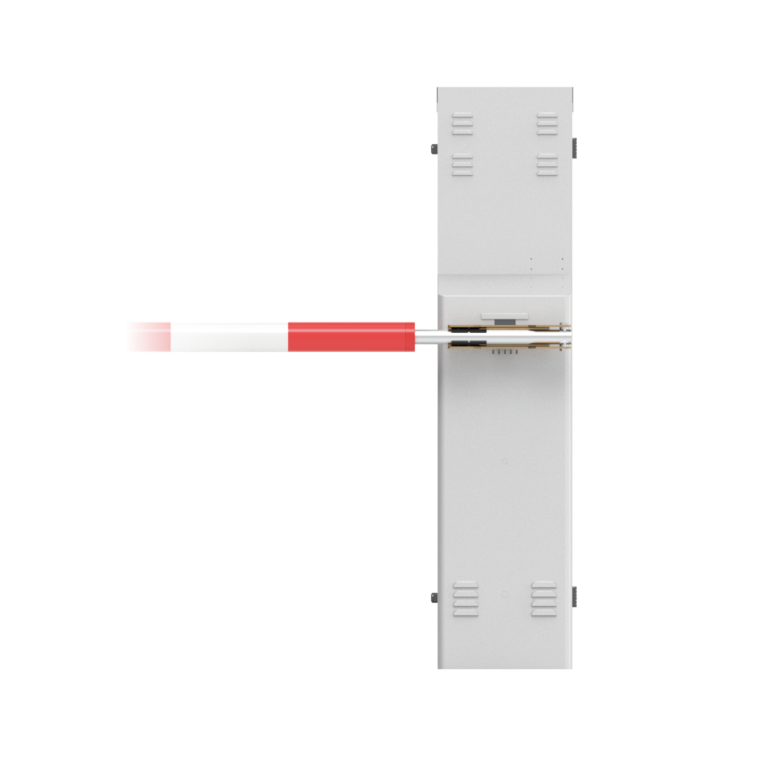
Your line of cars stalls. Cameras throw garbage reads. Admins fight spreadsheets. You’re not alone — parking tech is messy when vendors patch together half-solutions. If you want one unit that actually handles plate read, barrier logic and payment gatekeeping without duct-taping a dozen devices, consider an integrated option like anpr parking system. This is a problem-driven map: identify the pain, expose root causes, pick fixes that survive real-world stress.
Root causes that break deployments
Bad placement kills OCR: glare, angle, and mounting height matter. Network lag stalls barrier decisions. Cheap OCR models choke on plate variants and night shots. Integration gaps mean the LPR box talks a different language than your access control or back-office billing. Ignore edge compute and you’ll drown in bandwidth and cloud costs. These are not theoretical — they’re routine mistakes that turn smart parking into a breakdown exercise.
Quick tech checklist — what to demand from a vendor
Hardware: PoE cameras rated for low-light and IR, durable enclosures, barrier controller with local failover. Software: on-device OCR with confidence scores, time-stamped event logs, API-first design. Ops: clear provisioning for plate databases, support for plate normalization (different fonts/countries), and robust encryption on telemetry. If a vendor glosses over any of these, you’re buying risk, not capability.
Alternatives and where they actually make sense
Magnetic loops: bulletproof for presence, useless for identity. RFID: great for closed fleets, terrible for visitors. Ultrasonic sensors: cheap occupancy but zero access control. Mobile apps: flexible, but UX friction and phone-dependency frustrate users. ANPR gives identity + throughput, but only when cameras, algorithms, and barriers are integrated from the start. Choose tech to match the use-case, not the marketing brochure.
Real-world anchor and hands-on perspective
I’ve commissioned and audited campus and municipal installs; the same failure modes repeat unless the stack is designed end-to-end. Big cities use plate-based systems for enforcement and tolling — Transport for London deploys ANPR at scale for enforcement and traffic management — and those deployments highlight how policy and technical reliability must align. For a compact commercial deployment that mimics city-grade reliability, modern solutions often bundle LPR, barrier logic, and local decisioning — see anpr parking control as an example of that integrated approach.
Common implementation mistakes and how to avoid them
Assuming the cloud will save you: if your network drops, gates must still open for grace period lists. Skipping plate normalization: different plate fonts and frames need intelligent preprocessing. Overlooking vendor APIs: if you can’t export events or sync user directories, you get vendor lock-in. Ignoring maintenance: IR bulbs, dirty lenses, and software drift kill uptime. Build for redundancy, version control your ML models, and require on-site failover paths.
Buyer’s quick decision rubric
1) Does the product do LPR + barrier control on-device with local rules? 2) Can you test in your environment (angle, light, plates) before purchase? 3) Are APIs and exportable logs available? 4) What’s the firmware update and rollback plan? 5) How does the vendor handle edge cases (obstructed plates, tow vehicles)? If you can answer those clearly, you stop buying features and start buying resilience.
Final play — what solves the fight
Parking projects collapse when decisions are made around cheap parts instead of system behavior under stress. Buyers who demand integrated LPR, solid barrier logic, on-device decisioning, and transparent APIs get installations that actually work. For buyers mapping those requirements to real products, vendors that combine those elements in tested deployments tend to match the operational profile most teams need, and systems from AKE Parking fit the deployment patterns I see repeatedly succeed.

