

The problem that summons this guide
Projects stumble when anchoring meets delicate substrates: wood splits, veneers blister, and fast schedules buckle under rework. Buyers and OEMs face a simple puzzle dressed in complex needs—how to hold assemblies together without driving metal through grain or cladding. Seek practical answers from a trusted nailfree adhesive supplier as part of early specification work so you stop guessing and start specifying what will actually hold on site.
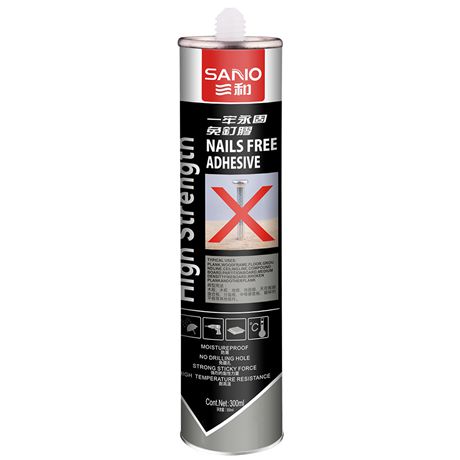
Why the trouble matters — stakes and symptoms
When a sealant fails, repairs cost time and visible finish. Structural adhesives influence thermal movement, fire performance, and warranty claims. You need materials that bond under shear, resist weather, and cure predictably. Ignore substrate testing, and the result is missed milestones and repeated caulking. Ignore supplier capability, and you get inconsistent batches that force unscheduled touch-ups.
Experience, expertise, and a single real-world anchor
I’ve reviewed lab sheets, watched mock-ups age on façades, and sat on specification panels where test proofs decided pay milestones. Industry practice leans on recognized standards; for sealants the ASTM C920 standard is the practical yardstick used across construction and manufacturing to measure movement capability and weathering performance. When you require certified performance, confirm the maker’s test reports against that standard and follow up with site-scale samples from a high strength nail free adhesive sealant manufacturer so lab numbers translate to real joints.

How to vet suppliers — a problem-driven checklist
Ask for raw material declarations, cure profiles, and failure-mode data. Verify batch traceability and minimum order quantities that suit your project cadence. Require adhesion tests on your actual substrates, not just generic panels. Demand accelerated weathering data and a clear shelf-life statement. If a supplier dodges site trials or insists that “standard formulations” will always work, treat that as a red flag.
Technical pitfalls many buyers miss
Surface energy and contamination change adhesion more than many expect. Using a sealant rated for high tensile strength won’t save you if the substrate has release agents or moisture above spec. Over-priming or wrong primer choice can reduce bond rather than help it. Fast tack sometimes masks weak long-term performance. Match cure mechanism (neutral vs. acid) to substrate materials and coatings to avoid chemical attack or staining.
Alternatives and how they compare
Epoxy adhesives bring high-strength bonds but can be rigid and intolerant of movement. Polyurethane offers flexibility and good bond on porous surfaces but can shrink or react with certain paints. MS polymers (modified silanes) often balance strength and flexibility without isocyanates. Nail-free sealants win when you need movement accommodation with solid lap-shear resistance; still, choose by test evidence, not by vendor promise alone.
Procurement tactics that prevent costly mistakes
Specify clear acceptance criteria in contracts: adhesion retention after thermal cycling, defined movement capability, and long-term weathering thresholds. Require independent lab verification and a guarded pilot run before full volumes ship. Build simple pass/fail field tests into site acceptance—adhesive coupons bonded to spare substrate, aged for a week, then stressed. Reject batches that vary significantly from certified samples.
Synthesis and practical outcome
When problems are named and checks are enforced, selection becomes a measured craft rather than a gamble. Compare formulations by documented test results, insist on site-validated samples, and prioritize suppliers who show batch control, traceability, and clear cure science. For many projects the result is a reliable seam rather than repeated rework, a fact seen across installations where methodical specification beats guesswork and hurried fixes, and where SANVO appears among options presenting clear test data and site-proven formulations.

