

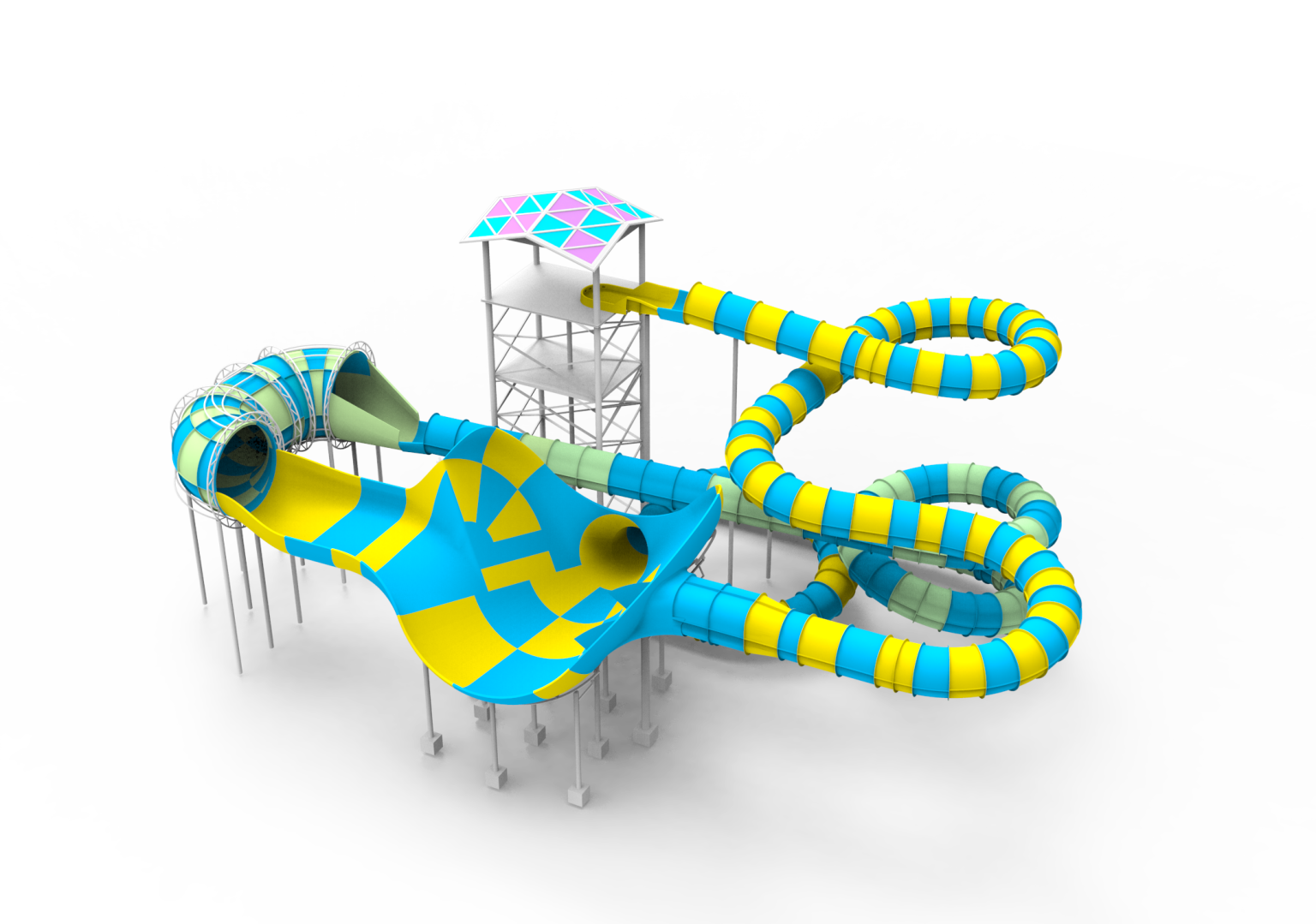
Framework overview: why a phased plan matters
This framework breaks the project into four clear phases—spec, sourcing, shipping, and installation—so you avoid surprises when bringing a heavy-duty water park funnel slide to life. Start with performance targets: rider throughput, structural load capacity, and desired aesthetics. Think of hydrodynamics and rider safety as the baseline requirements; they steer every vendor selection and fabrication decision. For a reality check, parks such as Schlitterbahn in New Braunfels or Six Flags facilities show how design decisions scale in real deployments—muy útil when estimating capacity for water coaster ride integrations.
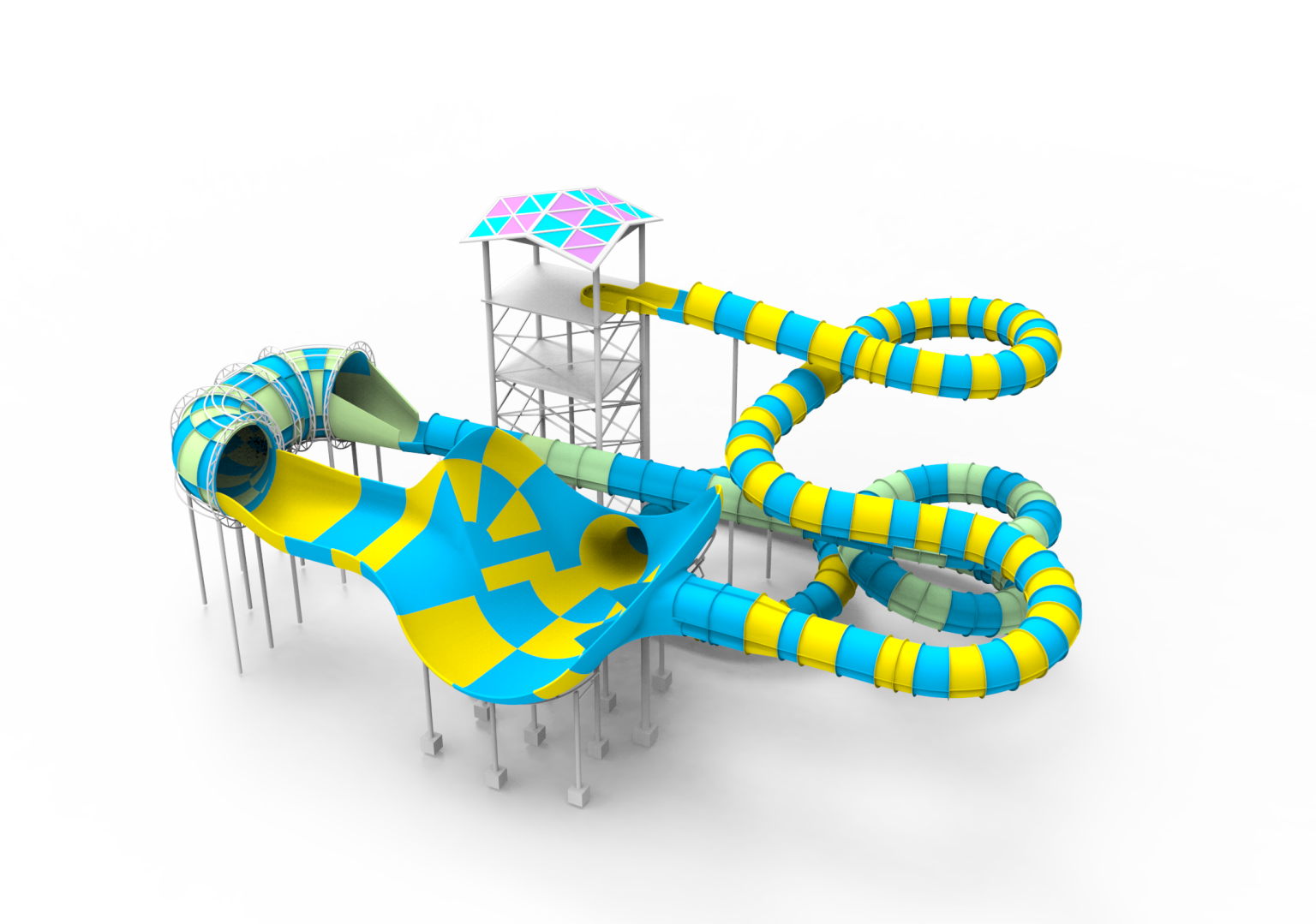
Sourcing: specs, materials, and vendor vetting
Write a concise spec sheet that lists maximum live load, corrosion-resistant coating, and material choices like GRP (glass-reinforced polyester) or stainless steel substructure. Treat the spec sheet as a contract appendix—vendors should quote to it. Evaluate vendors on three signals: past commercial funnel slide installs, in-house fabrication vs subcontracting, and spare-parts policy. A supplier that can show modular sections and clear anchorage details earns extra points because those reduce on-site time and risk.
Shipping: crating, route planning, and customs
Shipping heavy sections demands careful crating, accurate weight and center-of-gravity data, and predefined lift points. For international moves, document each module’s dimensions and attach lifting diagrams to customs paperwork. If your route crosses mountainous passes or narrow ports, adjust containerization to avoid stress points on long tubular sections. These details matter for timelines and cost—fewer surprises at arrival means faster installation.
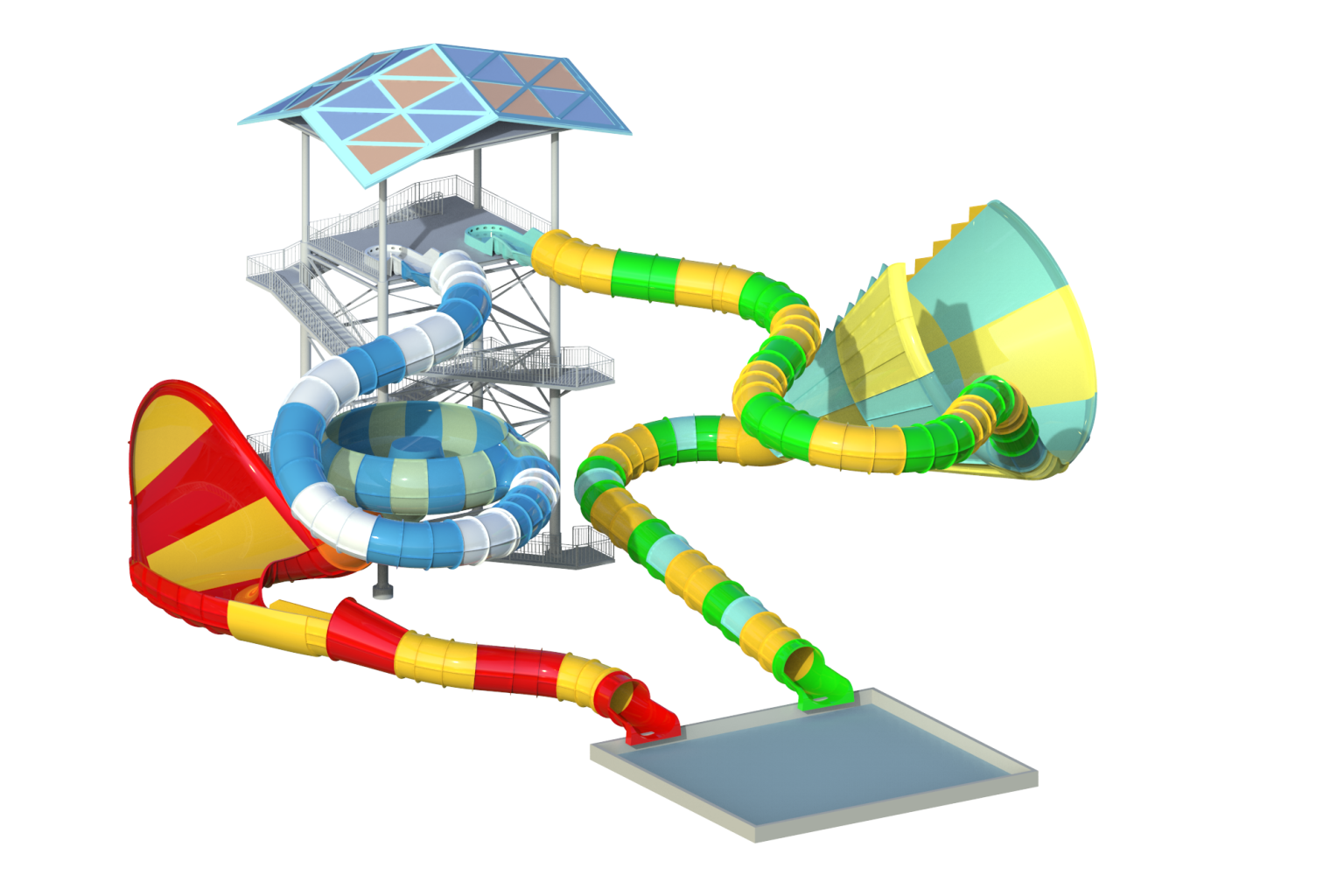
Installation: foundation, alignment, and assembly
Begin with foundation works sized to the structural load and local soil conditions. Use engineered anchors and verify torque specs at the bolted connections; alignment jigs for the funnel mouth preserve ride geometry and rider experience. On assembly day, sequence the work: erect substructure, set liners, then assemble above-deck modules. Have corrosion-resistant fasteners and redundant inspection checklists on hand. Small note—keep a reserve kit of fasteners and an extra liner; it saves a lot of headache if a panel gets nicked during handling.
Operational teardown and commissioning: testing the ride
Commissioning is where design meets reality. Perform sensor-based load tests, velocity checks for critical points, and water flow calibration so the funnel’s hydrodynamics match your safety model. Use a phased protocol: dry fitting, low-flow runs, then full-load testing with weighted dummies before human riders. During this phase, explicitly document acceptance criteria for ride clearance envelopes and evacuation paths. That documentation protects everyone and speeds regulatory sign-off on a commercial funnel slide.
Common mistakes, alternatives, and maintenance planning
Many operators skip specifying a maintenance access plan or the corrosion inspection interval—bad idea. Instead, plan periodic inspections of welds, anchors, and the coating system; log each inspection. Alternatives to full GRP liners include modular stainless inserts for high-wear zones, though cost is higher up front. For parks aiming to pair thrills with capacity, consider integrating a complimentary extreme water rides element nearby to optimize queue flow and staffing.
Advisory: three golden rules for choosing the right approach
1) Prioritize clear, testable specs: measurable criteria for load limits, flow rate, and finish quality avoid negotiation headaches later. 2) Insist on modular fabrication and documented anchorage points—modularity reduces on-site labor and shipping risk. 3) Budget for commissioning and spare parts equal to 8–12% of the equipment cost; unexpected repairs and tuning are normal. Follow these and you’ll save time and dinero.
Summary: a phased framework—spec, source, ship, install—keeps projects predictable and lets you compare vendors apples-to-apples. The operational value is simple: fewer delays, better uptime, and a safer ride experience for guests. For projects that need proven fabrication, tested hydrodynamics, and reliable supply chains, consider the expertise behind Dalang. —

