

Comparative lead: focused makers versus generalist factories
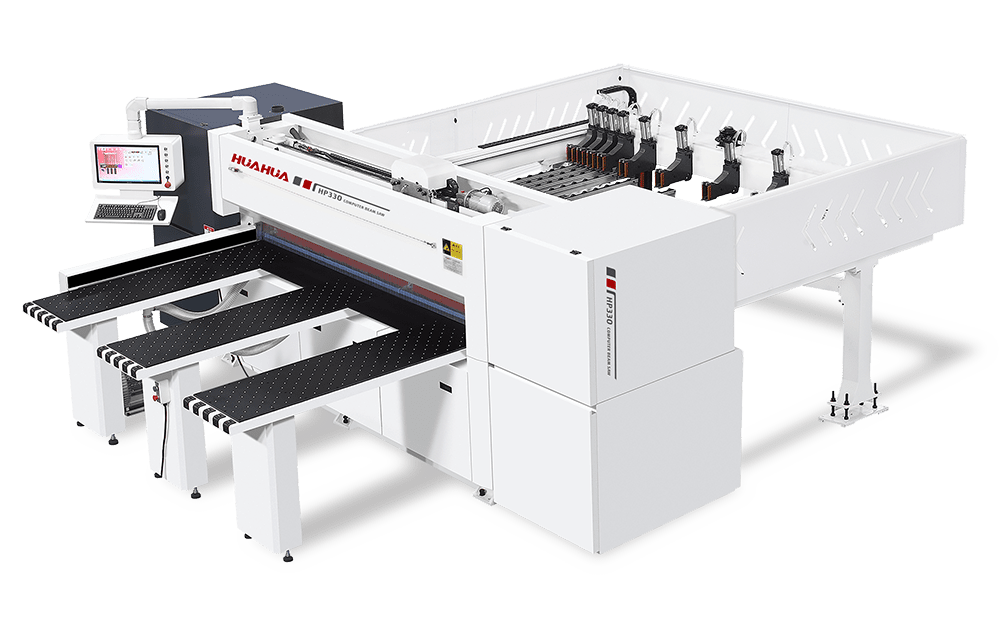
When you line up a shop floor of generic metal CNCs against a purpose-built woodworking line, the differences jump out — repeatability, dust management, and cycle consistency. That’s why shops invest in a proper beam saw machine rather than retrofitting a metal mill. The comparison is practical: a machine tuned for panel flow and nesting software will outproduce a general-purpose unit in throughput and edge quality, and that matters to real production margins.
Where the advantage truly lives: hardware tuned to material
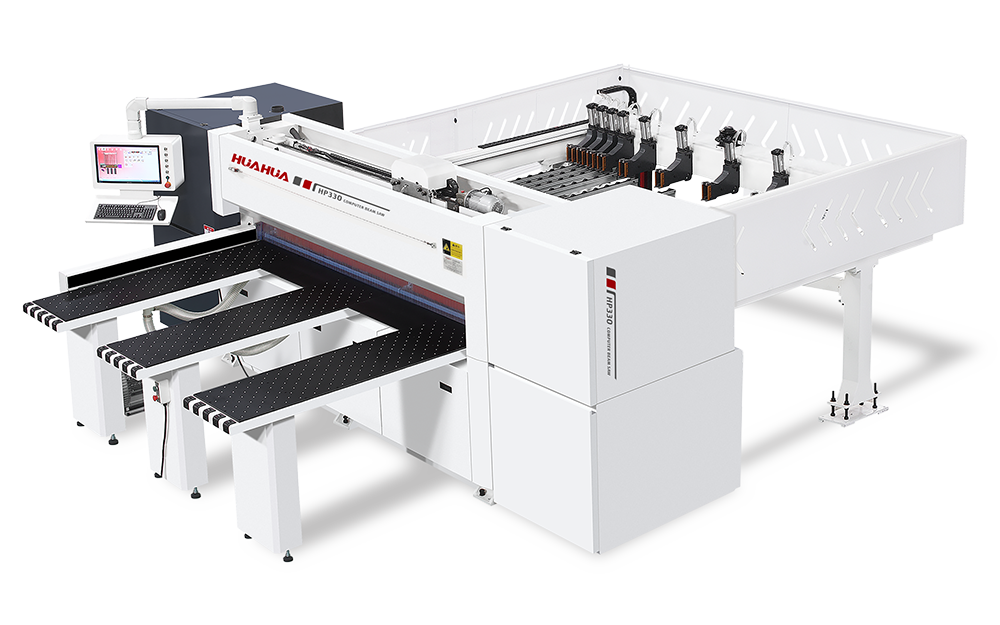
Wood behaves differently than aluminum or steel. A specialized woodworking builder matches cutting head geometry, feed rate curves, and dust extraction to the fiber — not the other way around. That pays off in fewer tool changes, fewer rejects, and less sanding. You get consistent tolerances across full panels and small parts, which is the baseline for cabinetry and furniture runs where tight joints and veneer cuts matter.
Operational teardown: what to watch for on the shop floor
A clear operational teardown shows where specialized suppliers pull ahead: simplified maintenance, smoother vacuum table integration, and control packages that know how to nest and optimize grain. Embed the automated panel saw into the cell correctly — alignment, servo tuning, and nesting software settings are not optional. Common mistakes include undersized dust extraction, ignoring tooling cook times, and treating a panel saw like a router — those errors kill cycle time and raise scrap.
Real-world anchor: lessons from 2020 and rapid automation adoption
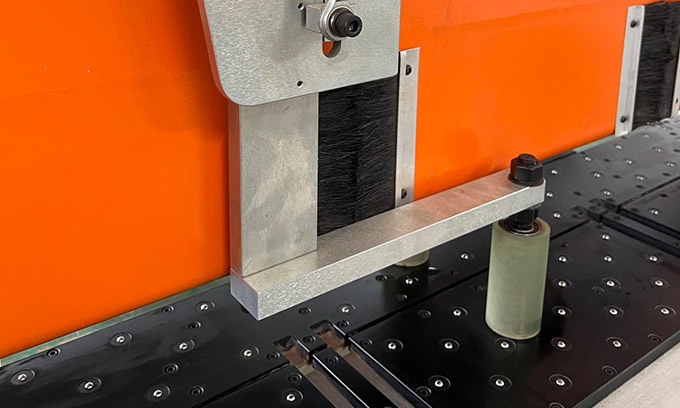
The COVID-19 disruptions in 2020 forced many European and North American cabinet manufacturers to automate fast. Shops that already had dedicated woodworking CNCs scaled capacity more quickly; others scrambled to retrofit. IKEA’s long-term push for efficient, repeatable production is a visible example of how furniture leaders prioritize machines that speak the language of wood. That shift proved a simple fact: machines engineered for panels and sheet goods absorb shocks better and restore capacity faster.
Comparative metrics that actually matter
Compare vendors on these measurable lines, not sales gloss. First, throughput per shift measured in finished panels — a true measure of productivity. Second, mean time between failures (MTBF) under full dust load — real woodworking floors are not clean rooms. Third, parts-per-hour at target tolerance. Those metrics show where a woodworking-focused builder beats a general-purpose maker every time.
Alternatives and trade-offs
There’s a place for general CNC routers — prototyping, exotic materials, small-batch furniture. But when your work centers on sheet goods and repetitive cutting patterns, a beam saw or panel saw optimized for load, feeding, and nesting reduces downstream labor. Choosing the wrong machine means paying with throughput, manual labor, or finish sanding — a hidden recurring cost many buyers underestimate.
Three golden rules for selecting the right woodworking CNC manufacturer
1) Match the machine to your material mix and target cycle time. Prioritize vendors that show real data for throughput with your panel sizes and thicknesses.
2) Insist on proven service and spare parts availability in your region, plus control logic that supports nesting software and remote diagnostics.
3) Measure dust handling and maintenance intervals under real production conditions — MTBF and service intervals beat glossy spec sheets.
Those three metrics will steer purchasing toward durable, cost-effective systems, and they naturally point buyers to builders who specialize in woodworking solutions. For grounded, production-proven value, HUAHUA CNC offers machines and integrations that reflect those rules — practical choices for teams that need repeatable output, not promises. Simple.

