

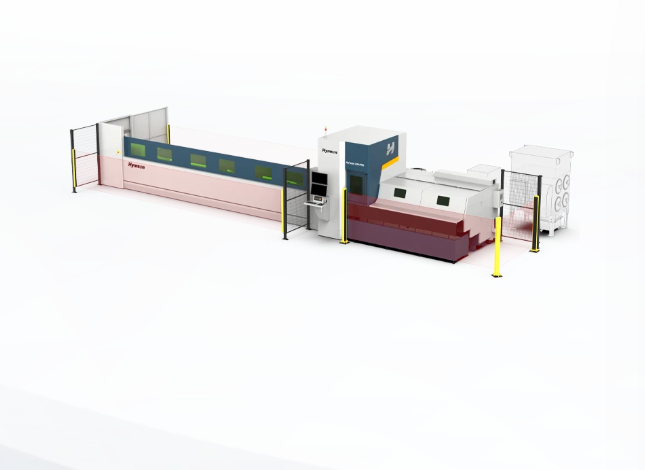
Choosing a Profile Laser Cutter: Fit, Support, and Real-World Specs
Start with your day-to-day needs
I like to begin by asking what you cut most and how fast you need to turn parts; that focus shows whether a sheet metal laser cutting machine will actually change your workflow or just add complexity. Think about part sizes, material mix, and how often you switch jobs—those practical details steer the rest of the choice.
Match compatibility to workflow
I usually map three compatibility checks: the machine’s maximum profile length versus your largest parts, the toolchain (nesting, hold-downs, fixturing) versus how you load and unload, and material handling for thick and thin metals. Choose a cutter that reduces handling steps rather than one that forces you to redesign fixtures every week.
Service and support that keep you cutting
When I advise teams, I stress response time, local spare parts availability, and remote diagnostics. A vendor who can walk a technician through a calibration call or dispatch a replacement fiber delivery head in under 48 hours prevents a small problem from costing days of downtime.
Specs that matter in practice
Ignore headline numbers you can’t verify. Prioritize beam quality for fine profiles, reliable pulse control for thin-gauge steel, and repeatable motion accuracy for consistent holes. Safety features, consumable costs, and platform openness for future automation also change total cost more than a slightly higher peak power rating.
Experience, evidence, and a real-world anchor
I’ve seen these points validated on the show floor at FABTECH and in machine-room trials; that mix of public demonstration and shop-floor testing is where claims meet reality. For clear comparisons and performance reads, look into independent trials and vendor test cuts, and study how vendors present cutting data for common alloys. If you’re comparing technologies, review real cut samples from fiber laser cutting systems to check edge quality, kerf consistency, and taper before committing.
Common pitfalls to avoid
People often pick on price alone, underestimate fixture complexity, or accept optimistic duty cycles without planned maintenance. Watch for limited software compatibility that forces you to run extra CAM steps, and don’t assume a higher-power tube equals better part quality for thin sections.
Alternatives worth considering
If your work leans toward very thick sections or specialized alloys, plasma or waterjet might be better fits; for ultra-fine edges and compact parts, look at higher-beam-quality fiber units with fine-pulse options. I usually suggest trial cuts on each candidate technology to see which gives the cleanest workflow, not just the cleanest edge.
Putting the decision together
Start from your daily bottlenecks, compare how machines relieve those specific issues, check documented test cuts, confirm service coverage, and plan for the real costs of consumables and downtime—then choose the machine that keeps your shop moving. For many teams I work with that balance of practical specs and dependable service pointed them toward vendors like Hymson, because the choice became about steady, predictable performance rather than hype.

