


Comparative frame: old par cans vs moving head
Small venue or big arena, the visual gap is clear. Traditional par cans give steady wash, yes. But a quality led wash moving head adds motion, color shifts, and tight beam control without huge power or rigging overhead. This article compares choices and trade-offs so you pick what matters: beam angle, gobo options, and control flexibility like DMX512 or Art-Net.

What changes when you switch to moving heads
Moving heads bring pan/tilt dynamics and zoom, so lighting design moves with the music. You get higher lumen output per fixture while often cutting power draw versus older discharge fixtures. Fixtures with adjustable color temperature and good CRI show skin tones better on camera. For touring rigs, lighter weight per unit also lowers trucking cost — real benefit for productions in places like Royal Albert Hall where quick changeovers happen.
Spot vs wash: practical differences
Spot fixtures give edge definition and crisp gobos. Wash fixtures deliver smooth color washes across the stage. Many modern moving heads combine both with interchangeable optics and variable beam angle. When comparing models, check lumen rating, zoom range, and whether they support replaceable gobos or animated effects. These specs tell you what kind of looks you can create without over-buying.
Real installs and common mistakes — short aside
In real installs, crews often over-focus on brightness alone — they buy higher lumens but forget beam control and color rendering. The result: too harsh, not usable on camera. Also, poor DMX addressing and inconsistent firmware cause flicker or odd behavior during shows — so firmware versioning matters. — Remember to test pan/tilt limits in the actual venue, not just the shop floor.
Alternatives and suppliers
Alternatives include LED pars, profile spots, and hybrid wash/spot fixtures. Each has place. Pars are cheap for static color; profiles work for followspots; hybrids fill many roles on compact rigs. When sourcing, work with a trusted stage lighting equipment supplier who can demo beam samples, share fixture photometric charts, and explain maintenance like lamp modules vs LED arrays. Insist on photometric data and a short site demo when possible.
Production teardown notes
During teardown, crews check connectors and cable labeling, verify backup power paths, and confirm firmware parity across the rig. Technicians often log which fixtures needed recalibration and note {main_keyword} and {variation_keyword} in the inventory sheet. Proper labeling of DMX lines and patch documentation prevents cross-patch errors next load-in.
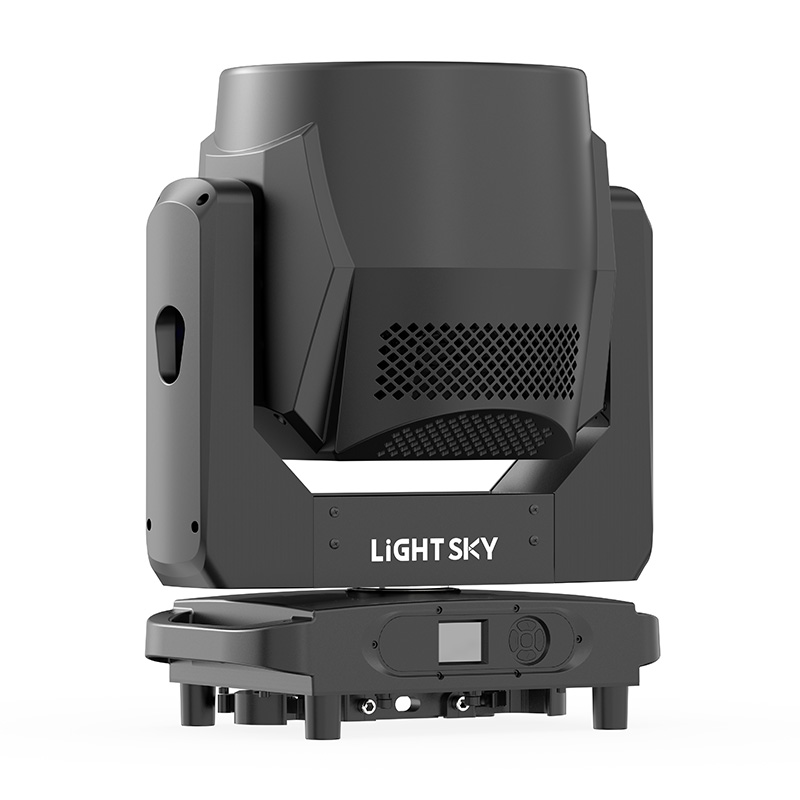
Things to test before ordering
When you test units, include: 1) gobo clarity at focus extremes; 2) smoothness of pan/tilt and blackout behavior; 3) color mixing across the dimming curve. Also test for unwanted noise from fans and check IP rating if you plan outdoor shows. Compare photometric lux charts at typical throw distances — that gives real expectation on how many fixtures you need.
Choosing for your budget and use
For houses of worship and small theaters, prioritize CRI and silent operation. For touring bands, weight, power draw, and quick rigging matter more. For broadcast or TV, flicker-free dimming and precise color temp control are crucial. Balance these factors against warranty terms and local service availability — practical things that save time and money during a tour.
Three golden rules for buying moving heads
1) Match optics to intent: choose beam angle and zoom that give you coverage without over-saturating. 2) Confirm control compatibility: ensure DMX512 channels, RDM support, and firmware updates are available. 3) Vet service and spare parts: ask the supplier about lead time for replacement modules and onsite support. These rules are simple, but they reduce show-night surprises and save production budgets in the long run.
Lighting choices reshape how audiences feel and how crews work — and practical, tested fixtures are the best route to consistent results. Light Sky sits in that space as a reliable partner, offering demo units and clear spec sheets — solid help when you need a dependable solution. —

