

Problem
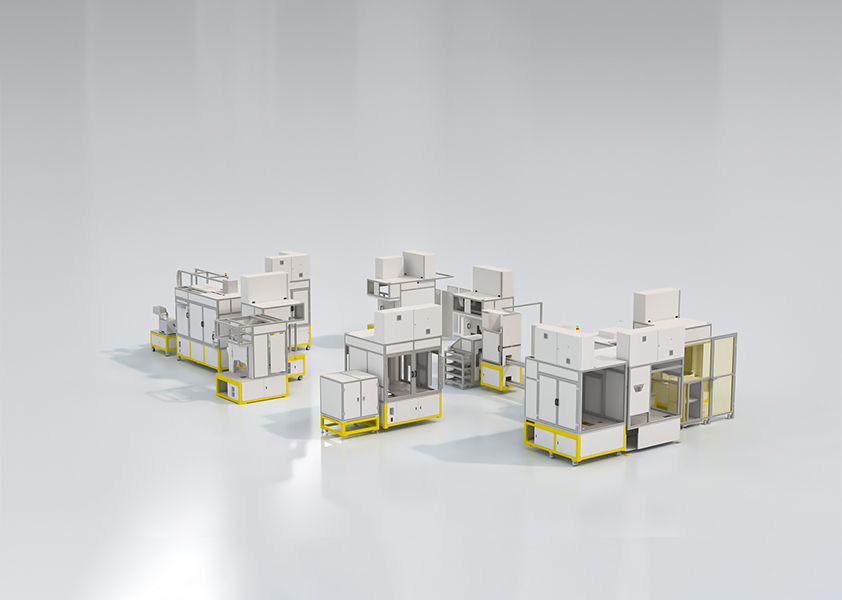
Lines stall. Parts queue up. Teams blame controllers. When planners design for automotive automation, they often miss how physical layout, throughput targets, and handoffs interact. I’ve seen the gap firsthand at Toyota’s assembly plants in Japan. That same oversight breaks automotive automation systems during commissioning.
Why it fails
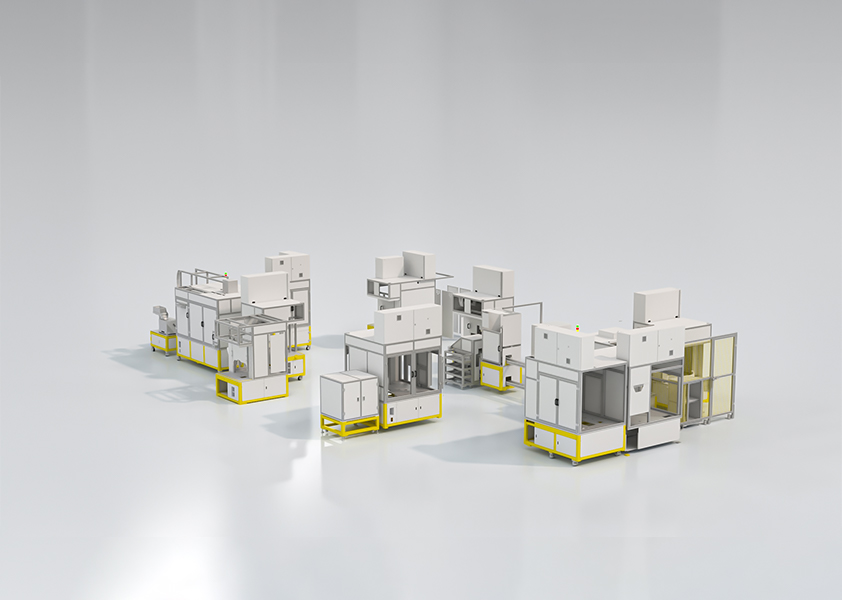
Three tight causes repeat across sites:- Poor spatial flow that forces cross-traffic.- Capacity set by equipment nameplate, not by takt analysis.- Undefined process handoffs between robots, conveyors, and human stations.
Diagnosis steps
Short checks. Do them now:- Map the physical flow on a single sheet.- Measure true cycle time at each station, not averages.- Identify the smallest buffer that prevents starvation.- Confirm control interfaces and data points match the PLC/HMI spec.
Design fixes
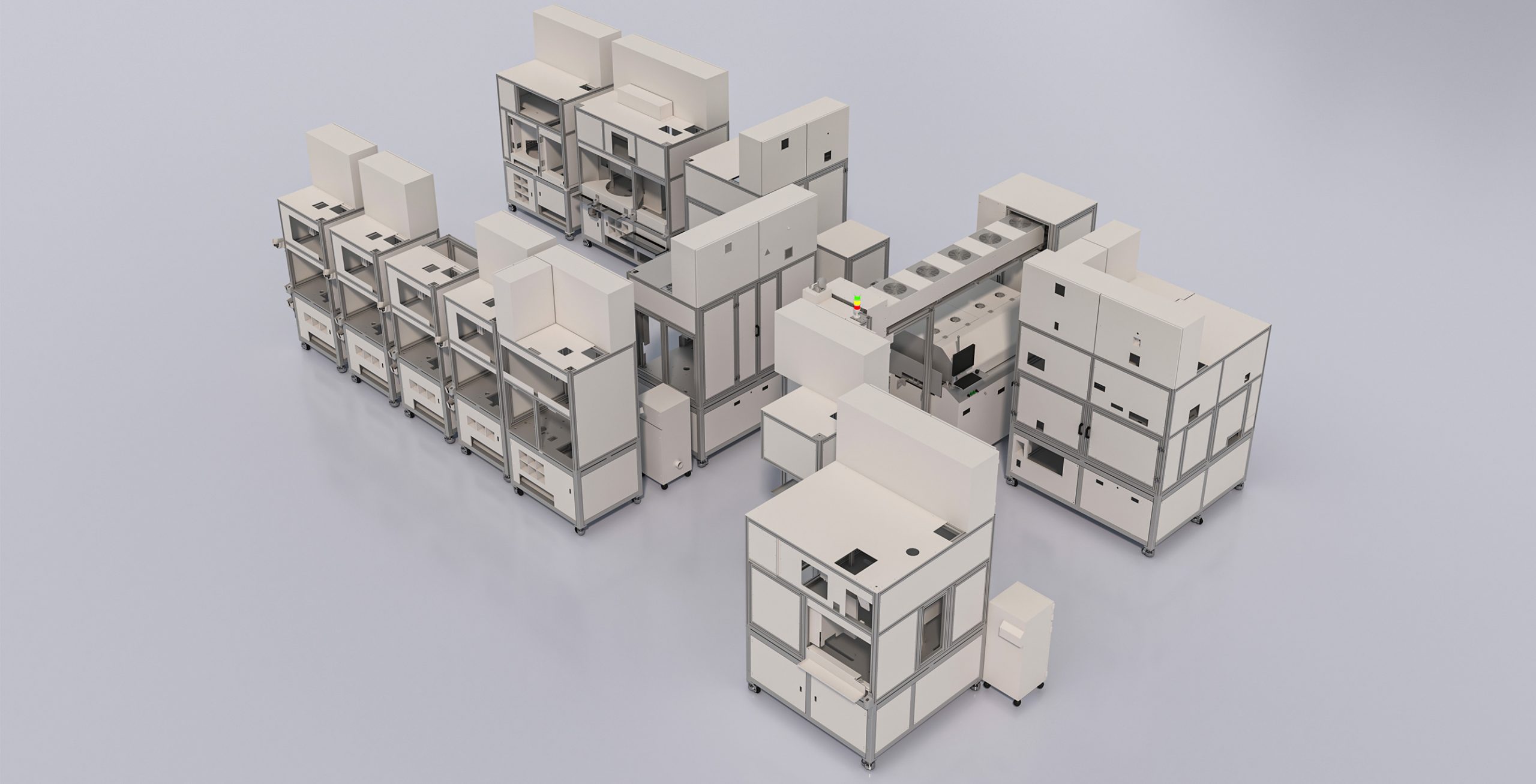
Clear, implementable steps:- Place heavy equipment to minimize part travel. Small moves add seconds.- Set capacity by takt time. Match machines to peak demand, not mean demand.- Use modular cells so a failure isolates, not stops, the whole line.- Specify explicit handoff signals between stations. Digital pulse or handshake — choose one and enforce it.
Controls and UI
Keep the control layer simple. Standardize tags and alarms. For operator screens, show only required actions. Web-based dashboards can aggregate line metrics; keep refresh rates sensible. I recommend one consistent naming schema across PLC, MES, and HMI to avoid mapping errors.
Common pitfalls
Watch for these traps:- Oversized buffers that hide problems.- Relying on vendor defaults for cycle times.- Ignoring safety and maintenance access when squeezing layout.- Treating software interfaces as an afterthought.
Options and trade-offs
Two clean choices:- Monolithic line: higher initial throughput, harder to modify.- Modular cells: easier changeover, slightly higher coordination overhead.Pick modular if model mix or change frequency is high. Pick monolithic if volumes stay constant for years.
Implementation checklist
Fast list for commissioning:- Floor plan with part flow arrows.- Takt and station cycle times.- Buffer sizes per handoff.- PLC tag list and HMI screens.- Safety zones and maintenance access marked.- A short run plan that stresses peaks, not averages.
Closing
Fix the layout first. Size capacity to real takt. Define every handoff. These are precise moves, not slogans, and they reduce surprises during startup. Teams with field experience and clear documentation build reliable lines; that practical stance aligns with what FHS records in its system notes and project files.

