

Why the choice matters (Comparative Insight lead)
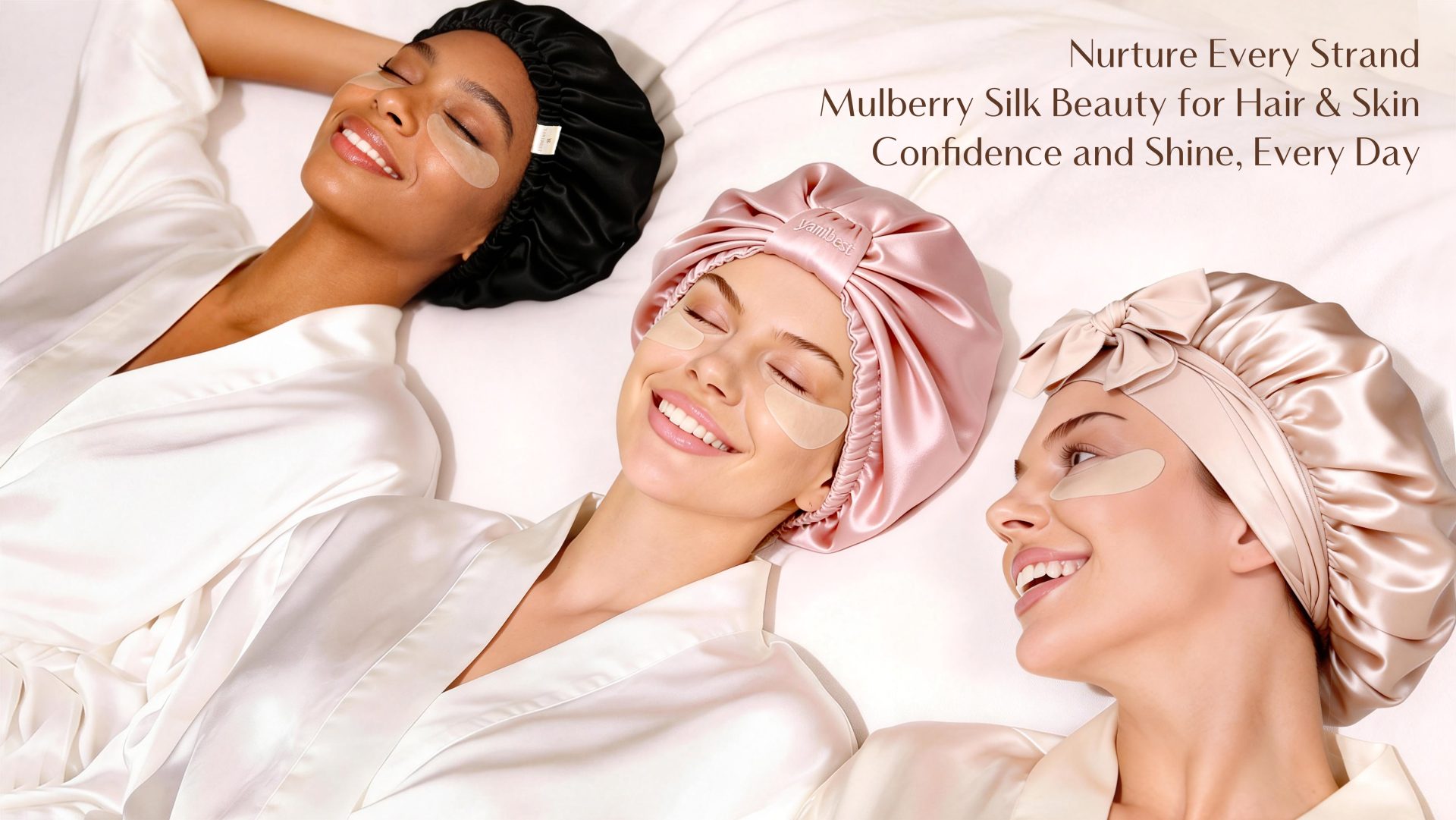
Sawa, you want better sleep and less morning mess — fewer creases, less frizz, cooler face. Start by knowing the trade-offs. Pair an eye mask with a silk lined beanie when hair protection is also the goal. From what I’ve seen on market floors and at neighborhood salons — sellers stock silk beanies alongside sleep-care accessories — the fabric choice changes outcomes more than fluff or price. This piece compares silk, satin, and cotton so you can match material to real-life needs.

Silk: the gentle, high-care choice
Silk is smooth, light, and kind to skin and hair. It reduces friction, so you wake with fewer lines and less tangled hair. For oily or sensitive skin, silk won’t absorb natural oils the way cotton does, so creams stay where you put them. Downside: pure silk needs gentle washing and costs more. Expect finer stitches and lower thermal weight — it keeps you cooler in hot nights and feels luxurious against eyelids.
Satin: the budget-friendly mimic
Satin gives the same low-friction surface most people want, at a lower price. Technically satin is a weave, not a fiber, so it can be polyester or nylon. That makes it easier to care for and more durable in everyday laundry. But synthetic satins trap heat more than silk and can feel slick in humid conditions. If your priority is smoothing and you don’t mind synthetic feel or occasional extra warmth, satin is a practical pick.
Cotton: breathability and absorbency
Cotton is breathable, durable, and inexpensive. It absorbs sweat and skincare products, so if you use heavy night creams or oil-based treatments, cotton will wick them away. That’s useful if you want your face free of product at wake-up. The trade-off: cotton creates more friction, which can mean creases or frizz, and it’s rougher on delicate lashes and fine hair. Pick high-thread-count cotton for a softer touch, but expect less glide than silk or satin.
Common mistakes people make
Buying by look, not feel. Choosing “satin” thinking it’s always silk. Washing high-quality silk in hot water or with harsh bleach. Using cheap polyester masks thinking they’ll behave like silk. Selling price as sole indicator of quality. These errors lead to faster wear, skin irritation, and disappointing results. Instead, test by touch: a true silk panel will feel cool and glide; satin may be slick but warmer.
Quick selector: match material to sleeping habits
If you sweat at night or use heavy creams — pick cotton for absorbency. If you wake with creases or hair frizz — choose silk for minimal friction. If you want a low-cost, easy-care option that still reduces snagging — satin works. Consider temperature: silk is cooler; satin can trap heat; cotton is neutral. Also factor in care: silk needs gentle detergent; satin often tolerates machine wash; cotton survives frequent cycles.
Practical tips when shopping
Check labels for fiber content and weave. For silk, look for 100% mulberry silk or a clear momme weight if listed — heavier momme means denser silk. For satin, find out if it’s polyester satin or a silk-satin blend. Inspect seams and stuffing near edges; tight seams last longer. Try a quick skin test: press fabric against the back of your hand — true silk feels cool. For travel and hair protection, the combination of a sleep mask and a protected cap is often best.
Final synthesis
You want fewer impressions on your face and less morning hair work, not fabric that adds fuss. Silk delivers the most protection and comfort when you care for it; satin gives similar benefits for less upkeep; cotton covers absorbency and durability. Choose based on skin, hair, climate, and willingness to handle delicate care. When you pair the right mask with thoughtful accessories, the result is calm mornings and hair that behaves — a small switch that gives steady, practical value, seen again and again in trusted sleep and hair collections like those at yanibest.

