

Opening: The problem first, then the solution
First-time buyers feel many problems at once: unclear specifications, inconsistent quotes, and hidden quality risks. Begin by naming the problems before chasing price. When you prepare technical files and communicate needs, check examples from custom suppliers; for sheet metal this means reviewing case work and service scope such as custom sheet metal fabrication services. Clear problem definition reduces wasted time and money.
Problem 1 — Incomplete drawings and ambiguous tolerances
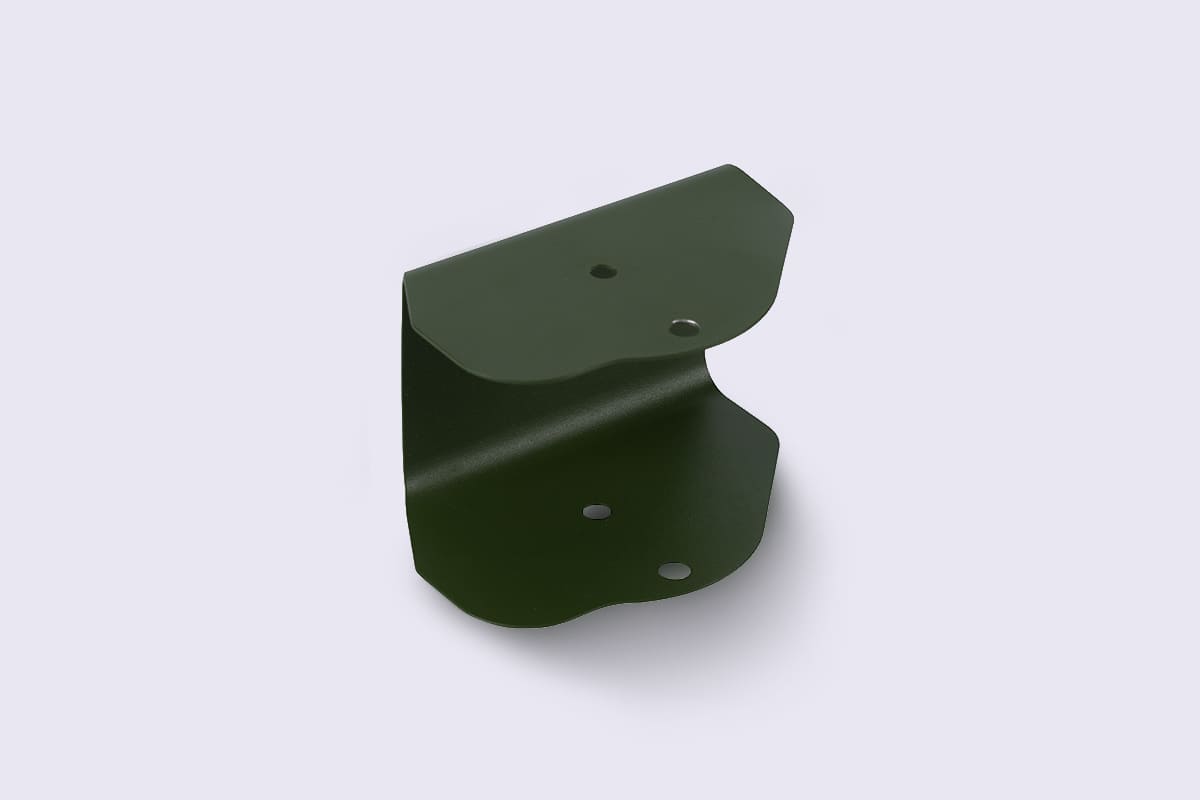
Too many requests arrive as rough sketches. Suppliers interpret differently. Provide precise drawings, call out critical dimensions, state GD&T or flatness where it matters, and list surface finish and coating requirements. Ask the supplier to mark any assumptions on the drawing. If they cannot return clarifications within one working day, reconsider that supplier.
Problem 2 — Quote variability and hidden cost drivers
Quotes vary because suppliers assume different scopes: tooling, testing, packing, waste, and rework. Expect 20–40% spread between low and high quotes for the same description. Consider one real-world anchor: sourcing from Shenzhen often shows this spread because high-volume panel shops sit beside boutique fabricators, so ask for a detailed sheet metal fabrication quote that lists setup, material, secondary operations, and inspection steps. Demand line-item clarity; cost surprises end projects early.
Problem 3 — Quality control not defined
“Quality” means measurable criteria, not goodwill. Specify inspection points, acceptable nonconformance, and sample approval method (PPAP, first article, CMM report). Ask for supplier quality certifications and recent inspection records. If they cannot show objective evidence for two recent projects, treat this as red flag.
Problem 4 — Lead time, capacity, and logistics
Suppliers quote optimistic lead times when they compete. Confirm capacity with production schedules or recent order examples. Check transport time from factory to your location and add buffer for customs if international. For small runs, short lead time can cost much more; for volume, commit to longer schedule to reduce unit cost.
Common pitfalls and how to avoid them
Do not assume low unit price equals low total cost. Do not accept verbal commitments for tolerance or finish. Do not skip sample validation. Do insist on the change-order process and who pays for rework. Do request workmanship photos at key stages. Do test one batch before scale-up. These steps prevent late surprises.
Alternatives and quick comparisons
Local prototyping shops give fast feedback and easier communication but higher unit price. Overseas contract manufacturers offer scale and lower per-piece cost but require stronger specification, inspection plan, and logistics management. Hybrid strategy often works: prototype locally, validate process, then scale with an established factory under tight specs.
Conclusion — Focus on solving the right problem
First-time buyers succeed when they trade guesses for precise requirements, validated samples, and transparent quotes. Match supplier capability to the problem you must solve: prototype clarity, repeatable quality, or cost at volume. Many buyers who treat the procurement as engineering — not just purchasing — find reliable outcomes with partners such as Hanstar.

