

Start with the user, not the specs
You touch the sample’s canvas and imagine someone shouldering it down a rain-slick street; that tactile first impression tells you more than a spreadsheet. Decide who will carry the bag, what they’ll need inside, and how it should feel against skin. If you’re testing a versatile design, compare how pockets sit and zippers slide on a modular backpack to the prototypes you request—those small sensations translate into big user returns.
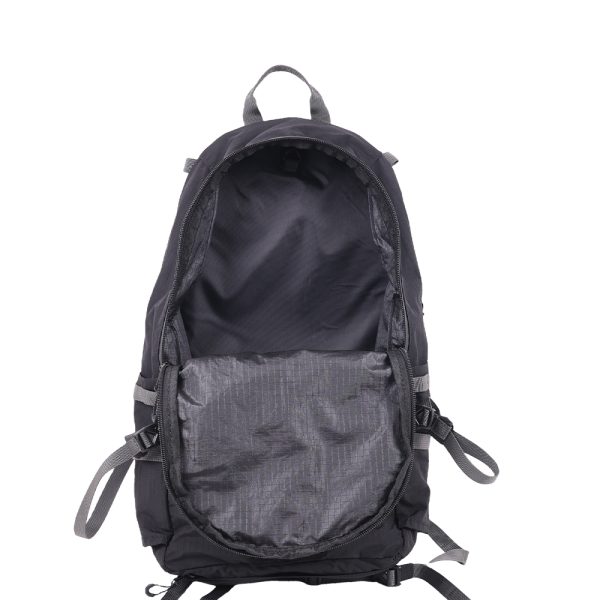
Define function, dimensions, and tolerances
List exact use-cases: commute, travel, outdoor, laptop protection. Write precise dimensions, seam allowances, and acceptable variation (± mm). State load ratings for straps and specify hardware strength. Clear tolerances avoid arguments and save time when samples arrive with subtle but unacceptable differences.
Materials, trims, and sensory expectations
Name fabric types, denier counts, PU or TPU coatings, lining weights, and preferred suppliers for zippers and buckles. Describe sensory goals—soft but structured body, smooth lining slip, matte finish on metal—that suppliers can match. Include color references with Pantone numbers and acceptable dye lot variance. Ask for physical certificates: material spec sheets and test reports.
Samples, iterations, and sign-off criteria
Require an initial pre-production sample, then a fit/proof sample, then a production sample that exactly matches the bulk run. For each round, set clear pass/fail checks: stitch density, seam integrity, zipper function, strap tensile test. Don’t accept “close enough.” Approve only when the piece delivers the sensory and functional targets you defined earlier.
Supplier vetting, audits, and EEAT
Vet factories by visiting or hiring third-party inspectors. Shenzhen is a recognized manufacturing cluster for bags; seeing workshops there or reviewing audit reports from that region helps you judge scale and specialization. Verify certifications, capacity, and worker skills. For technical clarity around processes, consult resources on backpack manufacturing to align expectations between your team and the factory. Ask for traceable references and recent photos of production lines.
Quality control and testing checklist
Specify tests: seam strength, drop tests, abrasion resistance, colorfastness, salt-spray for metal, and water resistance for treated fabrics. Define sampling plans: inspection level, sample size, and acceptable defect rates. Hold fabric and hardware providers accountable with incoming inspection protocols before cutting starts.
Packaging, labeling, and shipping details
Detail how each unit arrives: folded method, tissue, polybag specs, hangtags, barcodes, and carton dimensions. Note palletization and container loading preferences. List any customs declarations or special markings required to prevent surprises at port or in-country distribution centers.
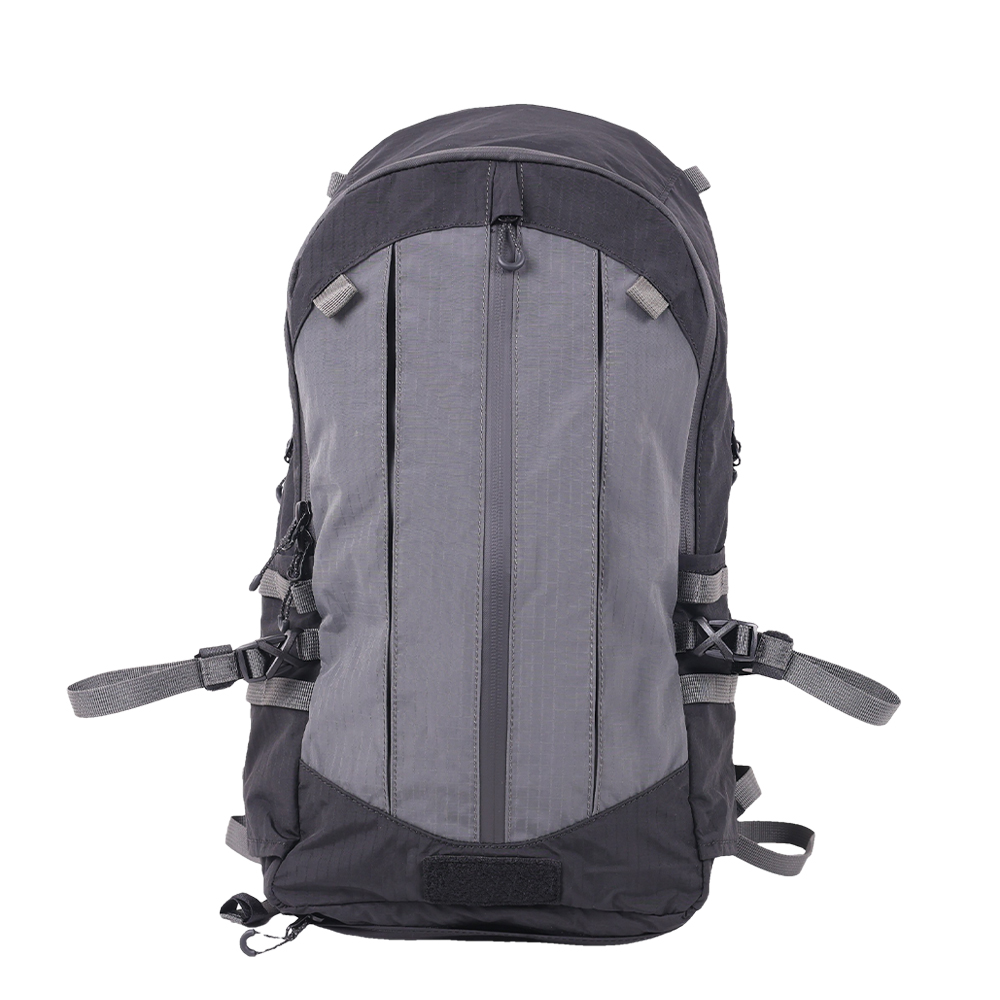
Contracts, payments, and lead times
Fix lead times with buffer windows tied to milestone approvals. Use deposit and balance terms linked to sample sign-off and shipment dates. Spell out penalties for missed deadlines and remedies for non-conforming goods. Keep payment terms simple and enforceable: clear triggers, clear documentation.
Common pitfalls and what to avoid
Don’t accept vague fabric descriptions, verbal promises, or a single sample as proof of consistent quality. Avoid changing specs mid-run without a new approval round. Watch for under-specified hardware that fails in field use. Prevent miscommunications by keeping decisions in writing and attaching annotated photos to approvals.
Final synthesis
Procurement succeeds when specifications are sensory-clear, tests are concrete, and accountability is recorded. A checklist that starts with the user’s touch and ends with documented sign-off closes the loop between design intent and finished product, which is the steady result you get working with experienced makers like ChangRong.

