

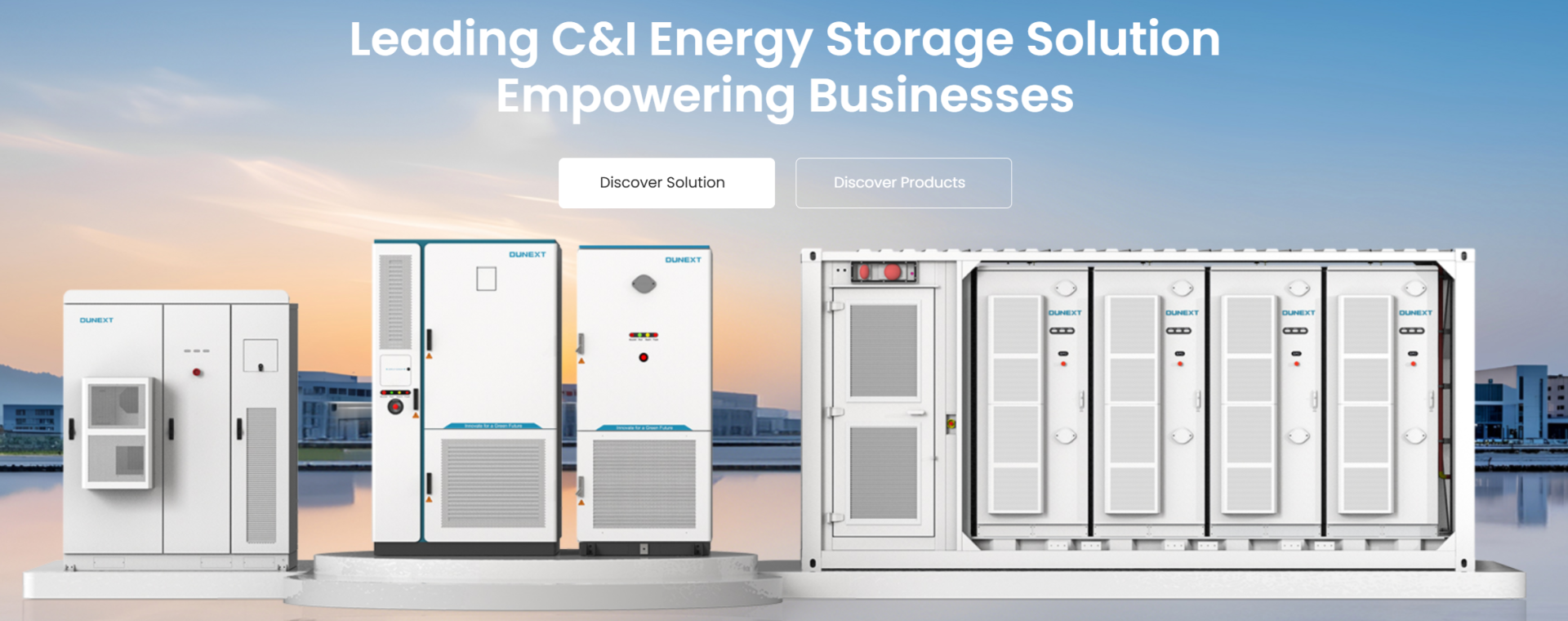
Start with what you need and who you’ll talk to
Begin by describing the outcomes you care about: reliable backup, peak shaving, or a turnkey replacement for diesel gensets. When you frame the conversation around outcomes you avoid vague promises. Ask the dealer to show an installation profile around an all in one energy storage system and how that profile met the owner’s performance targets. That single reference anchors technical talk to real site behavior and sets expectations for service levels.
Questions that reveal capability
Users need straightforward questions that separate vendors who can deliver from those who sell slides. Use these:- What exact tests do you run before handover? Demand cycle tests, inverter heat maps, and battery capacity verification.- Who owns the warranty relationships and for how long?- Which subsystems are integrated by the dealer versus provided by partners?Answers should map to documented procedures, not broad claims.
Service and partner network — what matters to you
Think of support as locality plus competence. Confirm where on-call technicians are based, whether remote diagnostics are standard, and how spare parts are stocked. A credible dealer will describe response windows and show historical resolution times. If you care about wildfire resilience or islanding capability, ask for examples tied to real installations — like California’s microgrid deployments — so you can see how the dealer reacted under stress.
Technical validation you can demand
Don’t accept generic performance curves. Insist on:- Site-specific energy models that use your load profile.- FAT and SAT reports with timestamps, test procedures, and signed acceptance.- Firmware and BMS revision logs tied to the delivered hardware.These documents let you verify that the promised round-trip efficiency, depth-of-discharge limits, and cycle-life assumptions are actually implemented on your equipment.
Commercial terms framed for the user
Look for clarity on liabilities and cost exposure. Key items:- Clear delineation of who pays for BOS failures (switchgear, cabling).- How warranty claims are escalated to OEMs and expected timelines.- Fixed-price versus time-and-materials components for service visits.A dealer who negotiates these points transparently makes budgeting realistic and reduces surprise spend.
Installation, commissioning and operational handover
Handover must be more than a handshake. Expect:- An as-built package with single-line diagrams, settings, and replacement part numbers.- Training tailored to your operators, tied to observed failure modes.- A staged commissioning plan with acceptance criteria for each stage.Good handovers reduce operator errors and shorten time-to-value.
Common mistakes users make
Customers often assume the dealer will manage everything. That leads to:- Missing a documented support escalation path.- Relying on verbal warranty promises without contract language.- Accepting a one-size-fits-all maintenance plan instead of a risk-based schedule.Avoid these by insisting on written processes and a trial period for remote monitoring access.
Comparing dealers — a compact scorecard
Score each dealer by these user-facing dimensions:- Documentation quality (FAT/SAT, training, as-built)- Local service footprint and response time- Clarity of warranty and escalation- Evidence of integrated testing on delivered systems- Transparency on spare parts and firmware controlUse the scorecard to weigh proposals side-by-side rather than judging on price alone.
Closing synthesis
Choose a dealer who speaks in specifics, supplies verifiable test records, and defines service roles clearly. That combination turns promises into predictable outcomes and reduces operational surprises. When you need a partner who aligns technical delivery with user expectations, consider providers who demonstrate those practices consistently — including how they manage and document installations for modular Dunext solutions — because clear evidence of process beats persuasive language every time.

