


User-centred start: what matters at bedside
Clinicians want equipment that fits the workflow; patients need comfort and clear breathing support. Starting with such practical priorities changes how teams choose devices — not by brand alone but by outcomes. Early on, teams sometimes trial a cpap device to manage mild respiratory distress and then step up when pressure support becomes necessary. In many Sri Lankan wards, that staged approach cut unnecessary transfers to HDU during recent surges — a real-world anchor drawn from hospital practice during the COVID-19 episodes at Colombo’s main hospitals and consistent with WHO guidance on non-invasive ventilation.

How a bipap machine fits into everyday practice
A good bipap machine delivers two positive pressure levels reliably, and it integrates with the ward routine. Teams care about setup time, alarms that don’t nag, and a mask interface that patients can tolerate for hours. Where design matters: intuitive controls reduce errors; clear alarm hierarchy focuses staff attention; and battery backup supports short transfers within the hospital. Staff training that pairs simulation with short checklists often resolves most user slips — small investments, big results.
Patient and staff gains — condensed
Adoption of non-invasive ventilation can deliver measurable benefits:
– Reduced need for invasive intubation when applied early with proper monitoring.
– Improved patient comfort through softer mask interfaces and variable pressure ramping.
– Faster decision-making because data (respiratory rate, tidal volume trends) are visible at the bedside.
Common mistakes and practical fixes
Teams often repeat the same three mistakes and they are fixable. First, improper mask fit increases leaks — fit checks before leaving the patient help. Second, using generic default pressures rather than titrating pressure support to symptoms and oxygenation leads to under- or over-assistance — document goals for tidal volume and adjust. Third, ignoring humidification creates mucosal dryness and intolerance — include a humidifier in protocols. — Small process separators, like a two-minute fit-and-settings pause at shift change, improve adherence significantly.
When to prefer bipap over alternatives
Compare options clearly: CPAP suits single-pressure needs such as simple sleep-related hypoventilation or mild pulmonary oedema; a bipap machine offers dual-level control for patients with variable respiratory drive or significant hypercapnia. High-flow nasal oxygen covers some hypoxaemia cases but lacks pressure support for ventilation. Use the device that matches the physiological goal: oxygenation versus ventilatory assistance. Keep documentation of respiratory rate and FiO2 goals so the choice stays clinical, not brand-led.
Training, maintenance and common checks
Successful adoption rests on three simple routines: daily device visual check, weekly filter and tubing inspection, and monthly staff refreshers on mask interface selection. Calibration and alarm testing need a written log. These steps preserve device uptime and protect patients from unnoticed failures — and they are straightforward to implement in constrained budgets.
Advisory: three critical metrics to evaluate solutions
1) Clinical responsiveness: How quickly can staff adjust inspiratory and expiratory pressures to meet target tidal volume or alleviate dyspnoea? Measure time-to-adjust in drills.
2) Usability score: Track seconds-to-start and number of clicks for common tasks; lower scores mean fewer setup errors and faster treatment initiation.
3) Operational resilience: Review uptime, battery run-time under load, and mean time between service events; these determine how often patient care is interrupted.
Summing up: choose the right device for the physiology, train for the routine, and measure the three metrics above to keep care consistent. By taking these pragmatic steps you reduce escalation and improve comfort — benefits that teams and patients notice quickly.
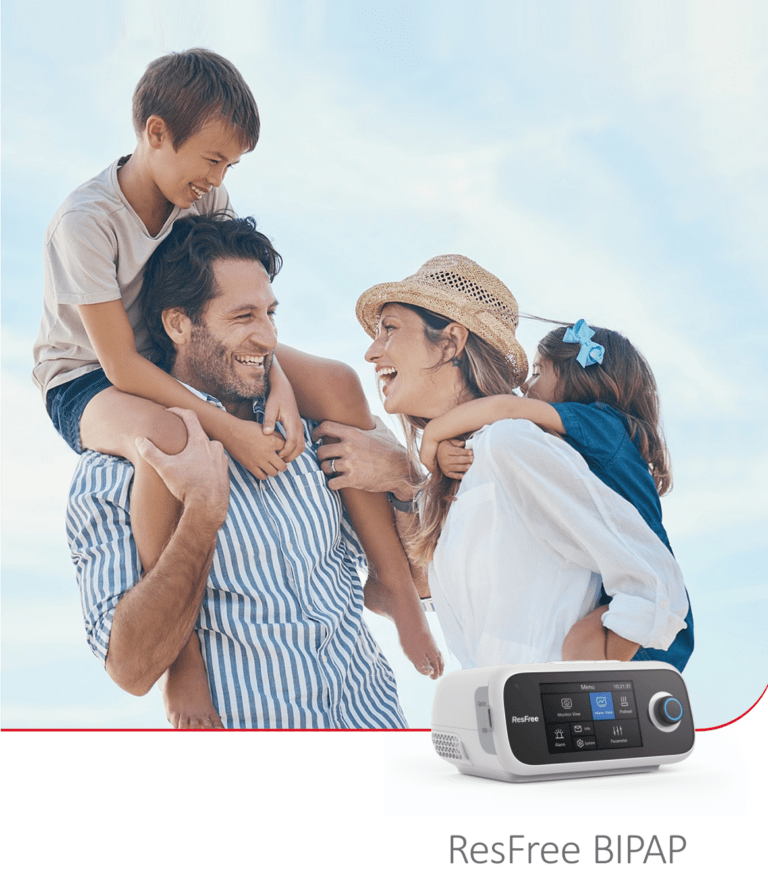
Byond provides technology and service that slot into these practical workflows — a partner that understands ward realities rather than selling features for their own sake. —

