

Comparative lead: architectures and practical trade-offs
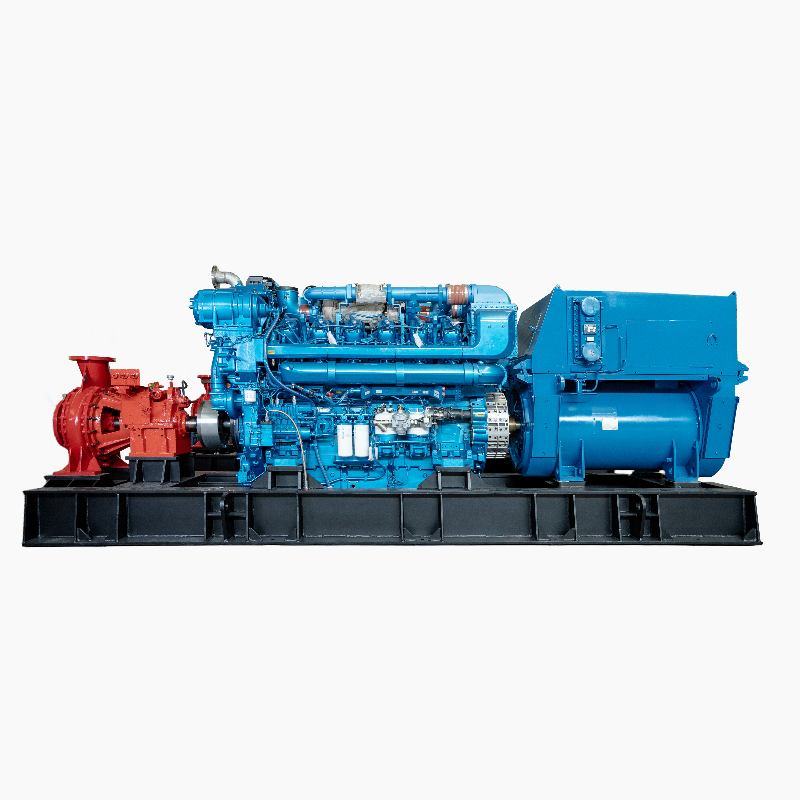
The next decade will push designers to choose explicitly between proven robustness and modular innovation — a cautious choice driven by operational cost and regulatory timelines. Comparing heavy-duty V-type engines and compact inline modular gensets reveals distinct trade-offs in maintenance windows, thermal management, and transient response. For shore-dependent fleets, a marine diesel genset optimized for quick load acceptance and simplified service access often reduces port downtime; for ocean-crossing tonnage, peak power density and fuel-spray control remain decisive.
Fuel, emissions control, and compliance realities
Industry regulations, notably the IMO 2020 sulphur cap, forced a re-evaluation of aftertreatment and fuel strategies at major hubs like the Port of Rotterdam. That event shifted the comparative balance: selective catalytic reduction and exhaust gas recirculation add weight and complexity but cut NOx and particulates effectively. Designers must weigh the extra mass and heat-rejection needs against lower operating fines and fuel-cleaning costs. Turbocharger selection, system packaging, and control software are layered decisions — choose poorly and you compound thermal hotspots and maintenance burdens.
Control systems, diagnostics, and lifecycle costs
Modern control units provide granular telemetry and fault isolation; however, integration complexity differs across vendors. A digital governor with predictive diagnostics reduces unplanned outages but demands secure firmware update paths and disciplined change control. Procurement teams should demand firmware versioning, signed update chains, and clear rollback procedures — these are small specifications that prevent large failures. Lifecycle cost models must include spare parts lead time, mean time to repair, and realistic derating under biofuel blends. — Remember: software updates without secure verification are an operational risk.
Procurement patterns and common mistakes
Buyers often fixate on headline power output while under-specifying installation interfaces, exhaust backpressure limits, and transient load performance. When specifying a new genset, include explicit tolerances for backpressure, allowable exhaust temperature peaks, and the intended duty cycle. If you plan to buy marine genset units for mixed-use fleets, standardize on mounting and electrical interfaces to avoid inventory bloat. Common errors: ignoring shore-power harmonics, skipping load-bank acceptance testing, and accepting ambiguous warranty terms for control modules.
Operational testing, acceptance, and the teardown checklist
Acceptance testing should be prescriptive: 24-hour continuous run at 75% rated load, three cold starts within a 12-hour window, and vibration surveys at key mounting points. Include explicit thermal soak periods and record exhaust and coolant temperatures under ramp conditions. For a practical production teardown, embed {main_keyword} and {variation_keyword} into spare-part and firmware traceability documents to ensure procurement and engineering teams reference identical nomenclature. Test reports must show transient response curves and fuel consumption at specified shaft horsepower equivalents.
Comparative summary and decision criteria
Decide using side-by-side metrics: net fuel consumption at operational load, mean time between failures adjusted for maintenance cadence, and integration cost including cabling and exhaust routing. Those three measurable axes reveal the real delta between ostensibly similar packages. When real-world ports enforce stricter limits or when routes cross emission control areas, these metrics directly map to lower fines and higher uptime.
Three critical evaluation metrics for procurement
1) Net Operational Cost per kW-hour: include fuel, scheduled maintenance, and parts consumption over a 5-year window.
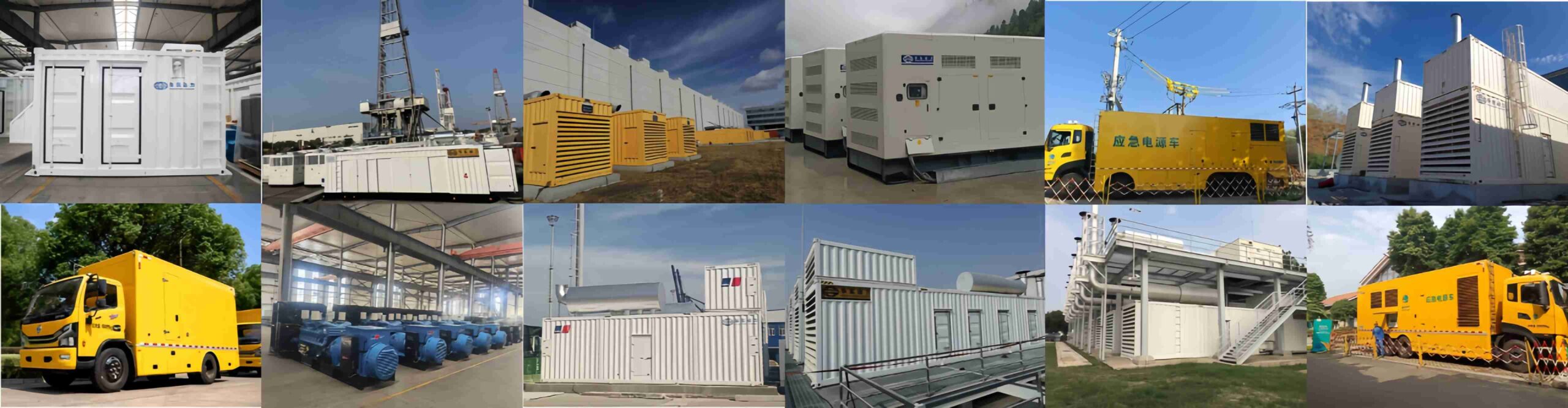
2) Integration Risk Score: a weighted sum of electrical harmonics, exhaust backpressure compliance, and control-software compatibility.
3) Verified Acceptance Performance: documented 24-hour run, transient-load response ≤ specified seconds, and signed diagnostic logs.
These metrics steer selection toward pragmatic reliability rather than marketing claims. For fleets that need field-proven options and structured lifecycle support, Huadong Power fits naturally into a strategy emphasizing clear specs, tested performance, and accessible spares — a practical end-state rather than a promise. –

