

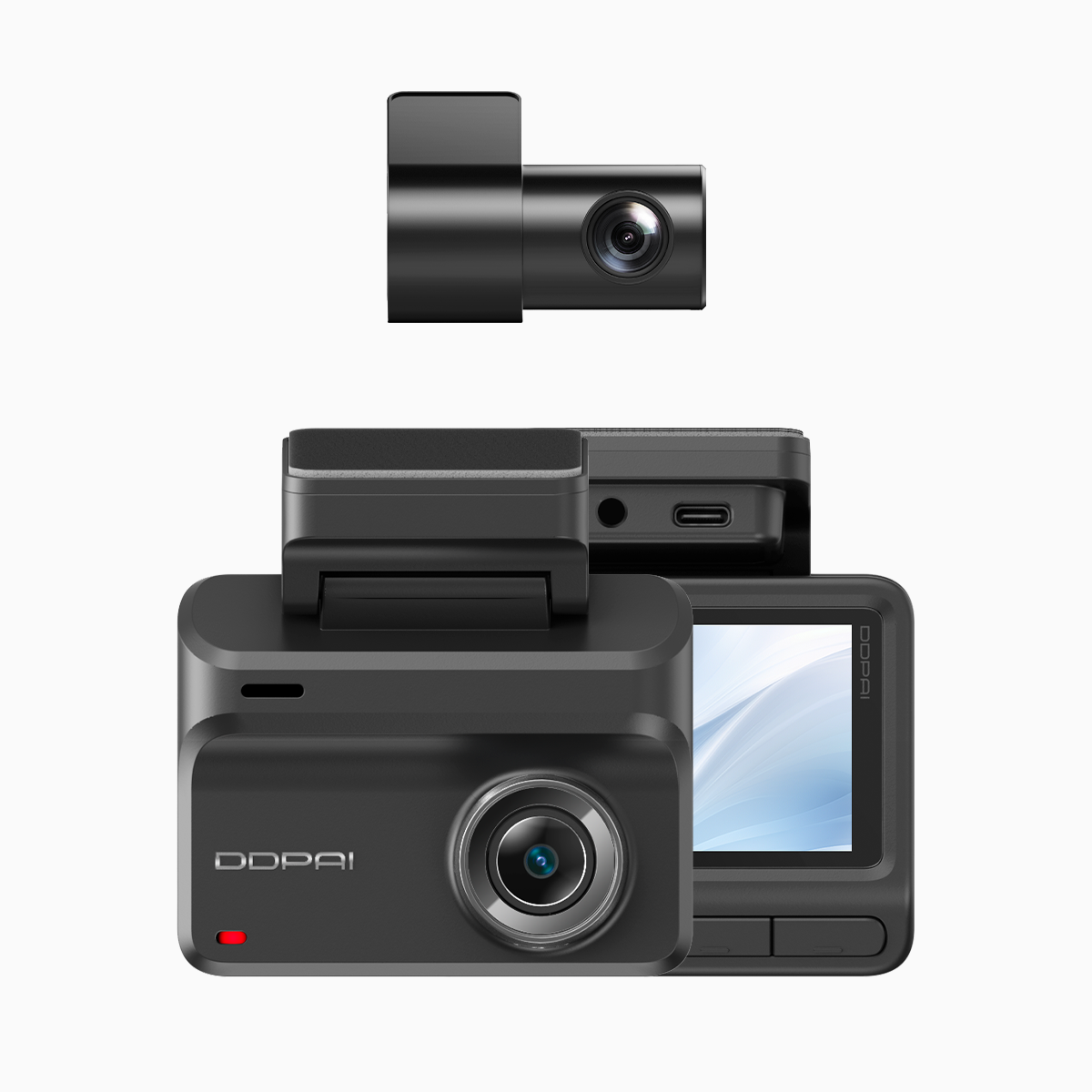
Nighttime driving where lighting stops
Many Philippine drivers spend more time on stretches of provincial road without continuous street lighting than they do on lit urban arteries, and that reality changes the criteria for choosing a dash cam. For drivers who need dependable footage after sundown, a wifi dash cam with a Sony STARVIS sensor and 4K capture can make a measurable difference in identifying details such as licence plates, signs and hazard cues. The real-world anchor is simple: rainy-season nights outside Metro Manila often combine glare, spray and patchy illumination—conditions that expose weak sensors and sloppy mounts.
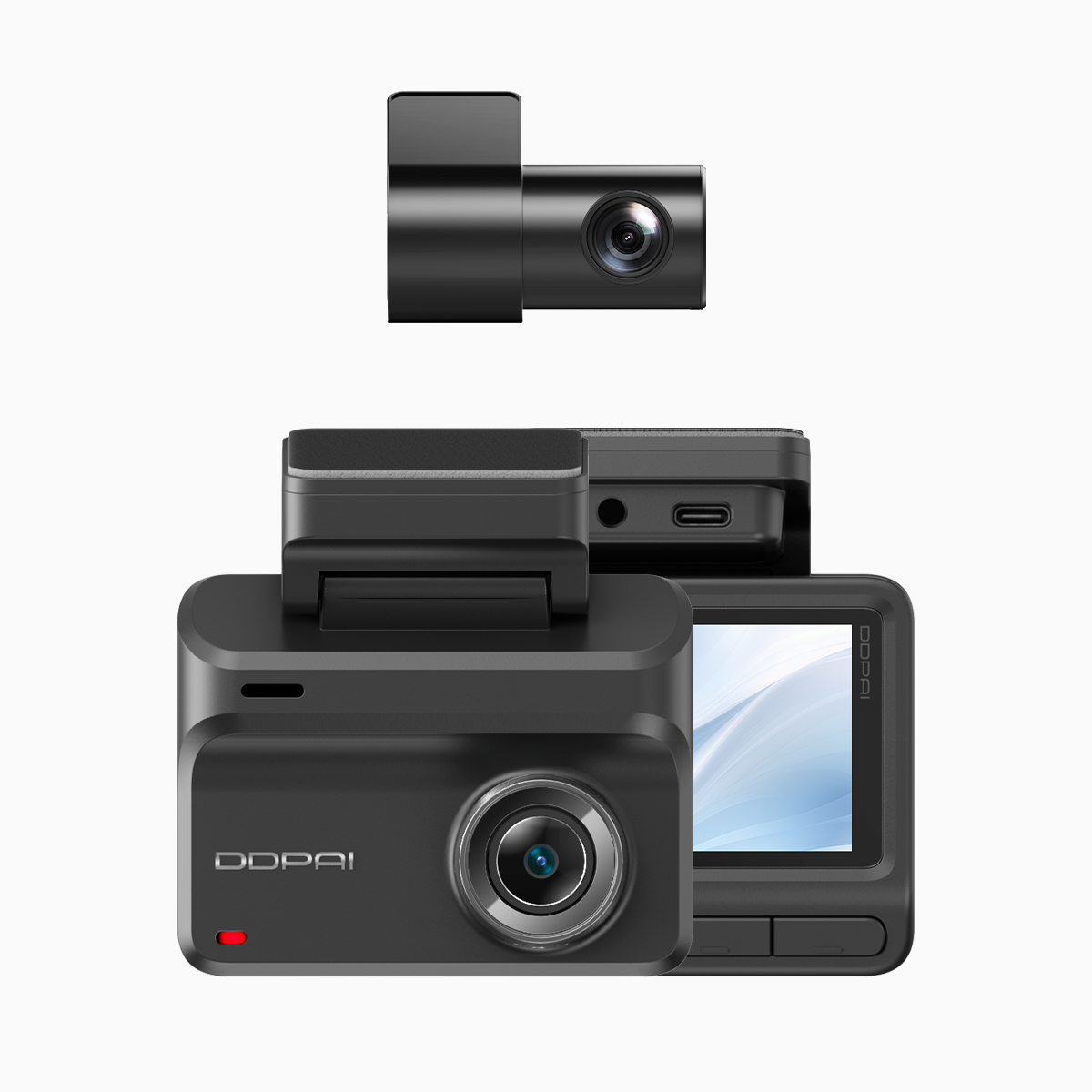
What users actually need from night-capable dash cams
Drivers want three concrete outcomes: readable footage at typical driving speeds, stable exposure across headlights and dark stretches, and reliable location/time data. Technical terms matter, but sparingly: a Sony STARVIS sensor improves low-light sensitivity; 4K resolution preserves detail when zooming in; frame rate affects motion smoothness. Equally important are everyday features like Wi‑Fi for quick file transfer and built-in GPS for accurate geo-tagging.
How a budget Sony STARVIS-equipped model addresses those needs
A well-configured budget model balances sensor performance with sensible firmware and hardware choices. Look for wide dynamic range (WDR) handling of high-contrast scenes, adaptive exposure to prevent blown headlights, and a mounting solution that keeps the lens steady. Integrations such as Wi‑Fi let you preview clips on your phone without removing the card; GPS stamps location and speed onto footage, which matters for incident documentation. A practical example: on a damp provincial highway, WDR helps preserve both a reflector’s glare and the dark shoulder—so evidence remains usable.
Common mistakes and sensible alternatives
Poor placement, reliance on infrared-only systems, and ignoring firmware updates are frequent errors. IR boosts close-range night visibility but washes out details on wet roads and is useless for colour-critical evidence. Mount the camera behind the rear-view mirror at a slight downward angle to avoid sky glare and to include the road edge. If budget or storage is constrained, a stable 1080p model with excellent low-light sensitivity can outperform a shaky 4K unit—so prioritise sensor quality and frame rate over headline resolution.
Feature checklist before you buy
Use this short checklist to avoid buyer’s regret:

– Sensor and low-light rating (Sony STARVIS or equivalent).
– Effective resolution at practical frame rates (4K at 30fps vs 1080p at 60fps).
– GPS and timestamp reliability for evidence integrity.
– Wi‑Fi transfer ease and firmware update process.
– Mounting quality and field of view to reduce blind spots.
Three golden rules for choosing night-optimised dash cams
1) Prioritise sensor sensitivity over raw megapixel count. Better low-light sensors retain usable detail when it matters most.
2) Verify effective performance, not specs alone: test footage on a phone or laptop across representative night conditions—wet roads, oncoming headlights, and rural stretches. This rules out devices that look good on spec sheets but fail in real use.
3) Confirm GPS and Wi‑Fi workflows. Reliable geo-tagging and easy file access turn footage into immediate, shareable evidence; a dash cam with wifi and gps simplifies that process and reduces handling time after an incident.
For many drivers in the provinces, these three checks separate a frustrating purchase from a tool that actually protects you and your passengers—DDPAI Philippines has models that meet these practical standards. Short, precise recommendation: choose sensor quality, steady mount, and verified night footage over marketing megapixels. Final thought—confidence on dark roads matters.

