

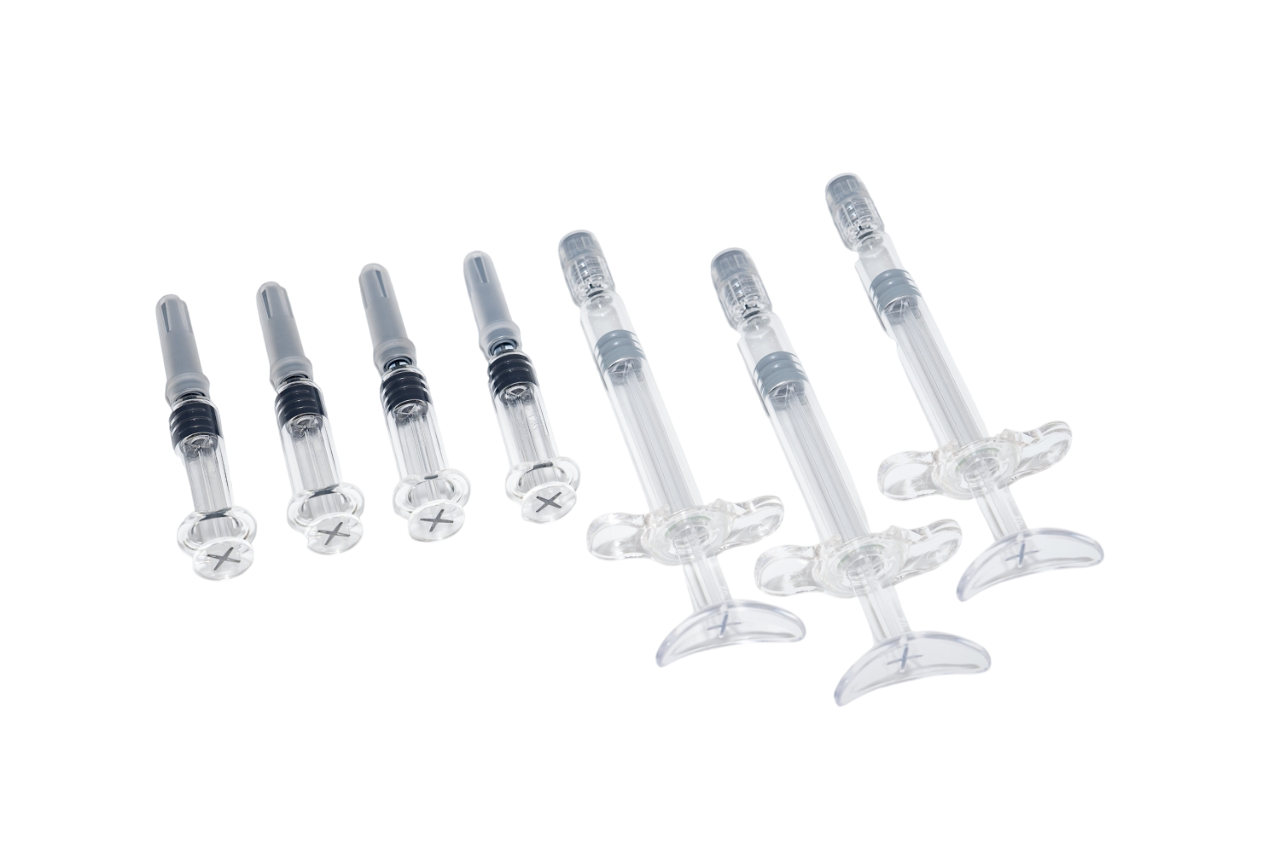
Problem-driven diagnosis: why syringe type matters right now
I once stood on a noisy fill line in Suzhou and watched operators pull 3% of syringes from a run due to tiny stopper shifts; the batch yield slid from 98% to 95% — what does that translate to in cost and scheduling? I start audits by mapping available types of prefilled syringes against process weak points, and I tell prefilled syringe manufacturers plainly that the choice of glass vs. polymer, luer lock vs. staked needle, or siliconization level isn’t cosmetic — it moves numbers on your P&L. (No kidding.)

From my 18 years in B2B supply chain work for sterile injectables, I’ve seen three recurring, avoidable faults: inconsistent siliconization causing variable glide force; elastomeric stopper deformation under cold-chain stress; and container closure system interactions that lead to particulate shedding. In March 2021 I validated a 1 mL glass prefilled syringe with a staked needle at a contract site in Shanghai and recorded a 2.3% particulate-related rejection after moving to a new stopper vendor — a tangible, dated example of how small material swaps create measurable failure modes. These are not abstract defects; they delay shipments and trigger repeat stability tests, which cost time and money.
Forward-looking choices: comparing designs to reduce hidden pain
When I evaluate options, I look beyond the catalog copy and run three practical checks: mechanical consistency (glide force range), compatibility with formulation and syringe coating, and ease of integration into existing assembly equipment. I compare the same drug filled into different bulb types and note yield differences — polymer barrels lowered breakage but raised adsorption concerns, while certain glass types performed better with biologics that needed low protein-surface interaction. That empirical side-by-side testing is why I push teams to bench-test a candidate type for at least one full production shift — you learn the quirks fast.
What’s Next?
Technically speaking, the next wave is about systems thinking: matching the syringe’s stopper chemistry, siliconization profile, and needle configuration to the drug’s formulation and the filling line’s tolerance stack. We must quantify interactions (e.g., extractables on day 0 vs. day 90), and—importantly—measure process metrics, not just component specs. I’ve advised clients to track time-to-release and particulate trendlines after switching to a different syringe configuration; those two metrics often reveal compatibility problems before stability data does. Short sentence — then action.

Actionable closing: three metrics I use to choose the right type
I recommend these three evaluation metrics when you compare types of prefilled syringes: 1) Functional yield over a representative production shift (target ≥98%); 2) Glide force distribution (mean ± SD within validated range); 3) Early particulate/extractables delta (baseline vs. 30 days). Apply those, and you’ll catch most design-driven failures before they balloon into recalls. I’ve implemented this checklist for multiple wholesale buyers in Europe and Asia; in one case a switch reduced line stoppages by 40% within six weeks — that translated into two fewer weekend overtime shifts per month. Yes, there will be trade-offs — budget, supplier lead time — but measurable metrics let you prioritize.
To sum up: pick the syringe type that aligns with your product’s chemistry and your line’s realities, insist on short-run validation, and track the three metrics above. I’ll keep digging into how marginal changes affect yield — and if you need a second set of eyes on vendor specs, I’m available. — LINUO

