


Field Notes from a Buyer on the Move
I learned this the sweaty way on a summer bus ride across Cebu in 2022, carrying a duffel of diabetes supplies for a pop-up clinic. The humble lancet needle looked trivial until the line wrapped outside the barangay hall. At a mobile screening in Cebu City in June 2022, our team processed 1,180 glucose checks in six hours—what fails first when the flow surges? As a retailer with over 15 years sourcing for wholesale buyers, I watch how small choices ripple: a mislabeled box, a cap that sticks, fingers that need a second stick (ouch). When people ask for blood lancets sterile, they usually mean “safe, ready, and predictable,” but the seal doesn’t solve throughput or user fatigue. I’ve seen 28G push-button safety lancets breeze through training days, and I’ve also watched the wrong gauge slow a station to a crawl. Here’s the rub—I care less about the brochure and more about the line moving without drama. So let’s step past appearances and get into what actually scales.

Under the Seal: The Real Friction Buyers Don’t See
Technical point first: “sterile” is a floor, not a finish. A good sterility assurance level (SAL 10^-6) keeps bioburden in check, but consistency depends on mechanics—gauge, bevel, and depth control. With cheap twist-off designs, I’ve clocked a 0.7% misfire rate over a 10,000-unit lot; that’s 70 stops, each one a pause, a sigh, and a glove change. Seals stored at 35°C and 85% RH can wick moisture, softening caps so they shear instead of releasing cleanly. Then throughput dies. In 2021, a clinic in Iloilo ran late by 48 minutes because capillary profiles dipped after three hours; the lighter 30G tip spared pain but under-bled on calloused index fingers. Good intent, bad match.
Does sterile equal consistent?
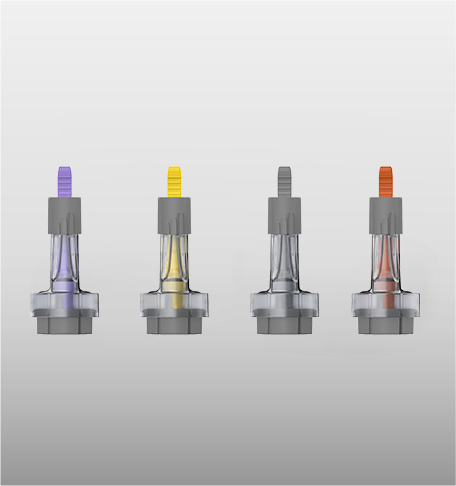
No. I’ve opened cases that were perfectly sterile yet maddening in the field: caps that require two twists, plungers with a spring rebound that smears blood on gloves, depth limiters that punch too shallow at 1.3 mm. And then—silence. Users lose confidence fast. Auto-disabling designs help, but if the actuation force is high, a volunteer with small hands hesitates, and a queue grows. The hidden cost isn’t the unit price; it’s the micro-delays: five seconds per patient over 600 tests equals 50 minutes lost. To be honest, that’s where programs drift off schedule and people wait under a hot tin roof.
Comparative Insight: What Scales Better, and Why
Here’s how I compare paths when buyers ask me to spec blood lancets sterile for mixed settings—home use, screening tents, busy clinics. Safety lancets with integrated depth control (1.8–2.2 mm options) and a balanced 28G–30G range tend to keep flow steady without over-trauma, especially on thicker skin. Classic needle-and-hub sets look cheaper on paper, yet the twist-off variance and higher glove-contact risk stack up under volume. If you need a number, target a coefficient of variation under 10% for puncture depth across three ambient conditions; anything wider produces erratic blood volume, which wrecks meter timing and staff rhythm. I’ve watched a team in Quezon City cut average cycle time by 11 seconds per patient just by switching to a lower actuation force model with a clean bevel and firmer cap fit—no training overhaul, just better mechanics.
What’s Next
Forward-looking, I expect more lot-level data on spring force and tip geometry baked into certificates, not just ISO 13485 paperwork. We’re inching toward “predictable by design,” where devices publish force curves so we can map them to callus density and fingertip temperature—real life, not lab stillness. In the meantime, here are three simple metrics I use when shortlisting solutions for wholesale orders: First, verify SAL 10^-6 with actual lot numbers and a recent environmental stress test (35°C/85% RH, 30 days), because packaging integrity drives reliability. Second, measure actuation force and depth accuracy; a goal of ±0.1 mm depth tolerance keeps capillary yield steady across shifts. Third, track stoppage events per 1,000 uses—misfires, cap jams, glove smears—and keep it below five. That’s the difference between a neat stack of cartons and a line that moves, breathes, and finishes on time. I firmly believe small mechanical truths beat big slogans; people feel that at the fingertip. If you need a neutral reference point as you compare brands and SKUs, I keep notes and stay reachable—no fluff, just field math and clear trade-offs, including options from sterilance.

