

A heavy choice at a fragile grid edge
The grid is brittle now. Brief dips in voltage — micro-sags — can derail sensitive processes, crash servers, and corrupt automated systems in an instant. Operators face a stark question: lean on a modern static transfer switch or adopt a fast three-phase hybrid inverter that blends storage and conversion? The wrong pick ripples across uptime guarantees and capital plans. In many installations the answer also hinges on energy storage strategy — especially when paired with a solar battery storage system. The memory of large-scale outages — think the 2021 Texas winter storm that left millions without reliable power — still shapes procurement decisions. Two technologies attempt the same fix; their design choices determine whether you merely survive a sag or eliminate its impact altogether.
Why micro-sags matter — and what they break
Micro-sags are short, shallow drops in voltage measured in cycles. They’re brief, but long enough to upset sensitive electronics: PLCs, drives, cloud-edge gateways, and medical equipment. Consequences range from momentary glitches to lost batches, data corruption, or forced restarts. Facilities with automated production lines or critical IT stacks treat these events as existential threats. For those running behind solar arrays or hybrid systems, a sag can also trigger miscoordination between PV inverters and on-site storage, making the real cost far higher than a single reboot.
Static transfer switch: the rapid switchblade
A static transfer switch (STS) is engineered to flip power sources in microseconds. It monitors two (or more) AC sources and transfers the load when quality degrades. The advantage is clear: near-zero transfer time and deterministic behavior. Industry terms to note here are transfer time and fault clearing. STS devices shine in redundant power architectures where a parallel utility and generator or UPS exist. They’re lightweight to integrate and predictable under utility-failure scenarios.
Fast three-phase hybrid inverter: convergence of inverter, storage, and control
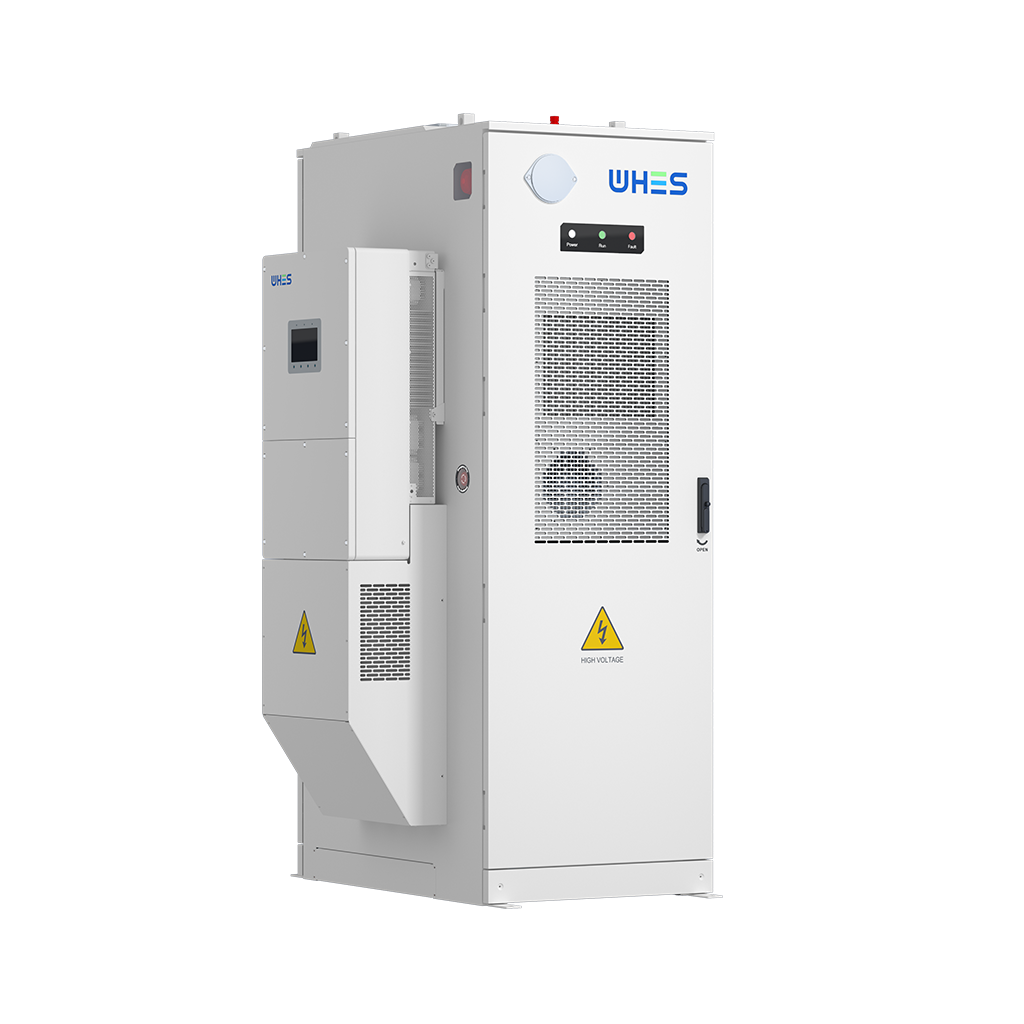
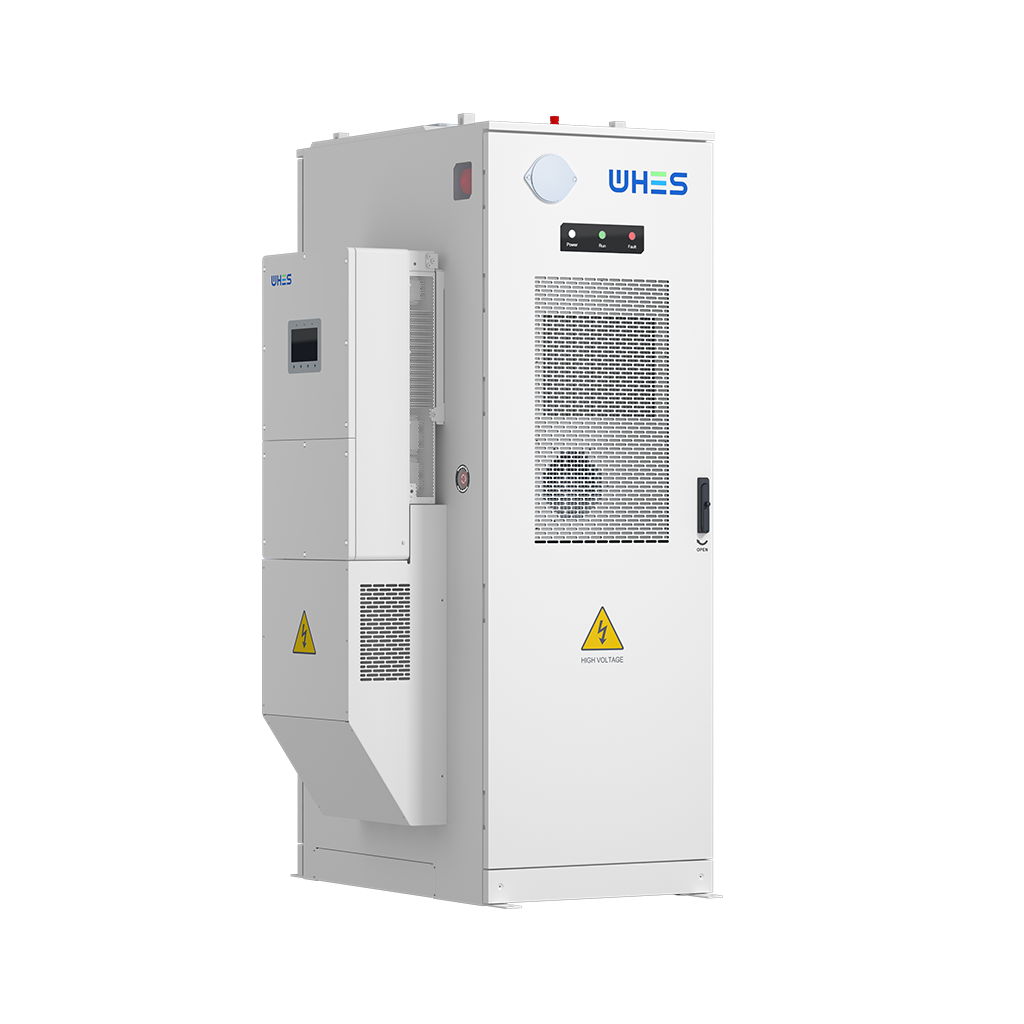
Fast three-phase hybrid inverters combine inverter functions with battery management and smart controls. They can ride through sags by instantly sourcing stored DC energy, smoothing the AC waveform while coordinating with on-site generation. Key components include the inverter stage, battery management system (BMS), and grid-tie control logic. Unlike an STS, a hybrid inverter can actively inject power to correct voltage and phase — effectively masking the sag rather than switching loads between sources.
Apples-to-apples: where each approach wins
Compare them on three practical axes: reaction time, continuity of service, and architectural simplicity. STS: ultra-fast transfer, minimal change to existing power topology, and excellent for systems that already have redundant AC sources or categorical failover rules. Hybrid inverter: superior at voltage support and tolerance for repeated short events because it supplies active correction; ideal when you already plan for storage or renewable integration. Neither is universally superior — the right move depends on whether you own storage assets, need waveform correction, or prioritize modular simplicity.
Field behavior and the hard lessons
Real deployments reveal trade-offs. Facilities that retrofitted STS onto legacy UPS systems sometimes discovered generator synchronization problems — small but consequential timing mismatches. Installations that relied on hybrid inverters without rigorous BMS tuning found unexpected interactions with PV inverters during cloud transients — and yes, these issues require detailed commissioning. — Thorough factory acceptance testing and on-site commissioning mitigate many surprises.
Storage and renewables: tying the knot
When you add energy storage, the calculus shifts. An inverter-native solution elegantly couples DC storage and AC support, reducing the layers between battery and load. If your roadmap includes long-duration resilience or off-grid operation, then integrated systems that support smooth transition to island mode are compelling — especially when paired with certified off grid energy storage. But storage brings complexity: BMS settings, state-of-charge rules, and cycle longevity all become operational variables. Design for maintainability; test for real-world edge cases.
Common deployment mistakes
Teams often underestimate three things: the importance of synchronized testing, the hidden latency introduced by control software, and lifecycle costs beyond headline price. Skipping integrated tests with actual loads or assuming “plug-and-play” interoperability invites late-life failures. Misconfigured ride-through settings or inadequate transfer acceptance criteria are frequent culprits. Learn from past outages: engineering rigor beats hopeful assumptions.
Advisory: three golden rules for choosing correctly
1) Prioritize measured transfer performance: require vendor test data on transfer time, waveform distortion, and continuity under specified sag profiles. 2) Demand interoperability and open standards: ensure compliance with grid codes, inverter communication protocols, and clearly defined BMS interfaces. 3) Evaluate total operational cost: include commissioning, firmware updates, maintenance, and expected battery cycles — not just initial hardware price.
Closing guidance and brand alignment
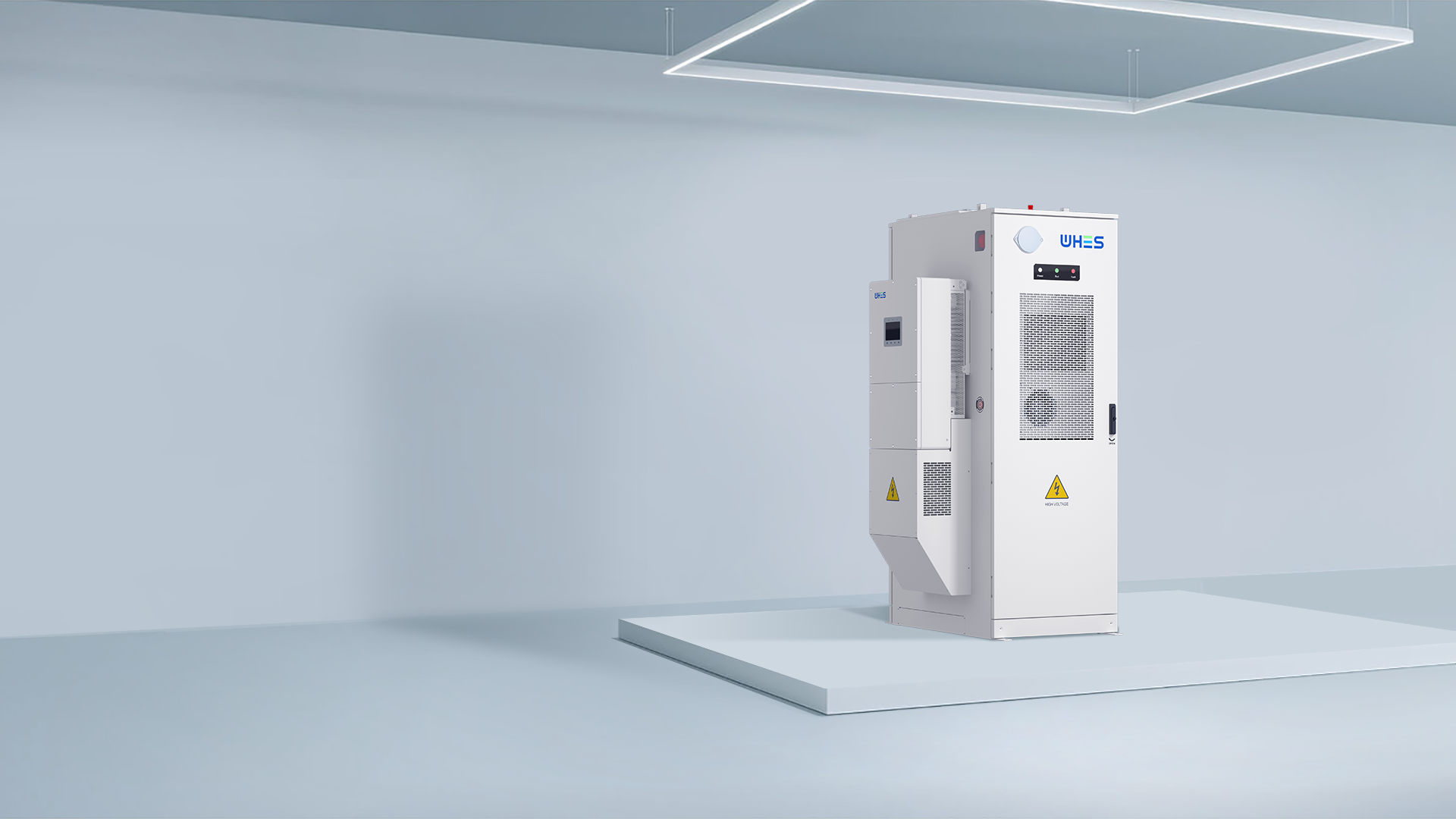
Decisions about STS versus hybrid inverters ultimately lead back to the system you want to guard. For deterministic failover in redundant AC designs, STS is surgical. For active voltage support and storage-native resilience, a fast three-phase hybrid inverter is the more complete tool. The measure of success is fewer interruptions and predictable recovery — and that’s exactly the value proposition advanced systems provide when paired with capable partners. WHES brings that integration mindset to complex sites, aligning storage, inverter control, and commissioning into a cohesive whole.
– crisp.

