

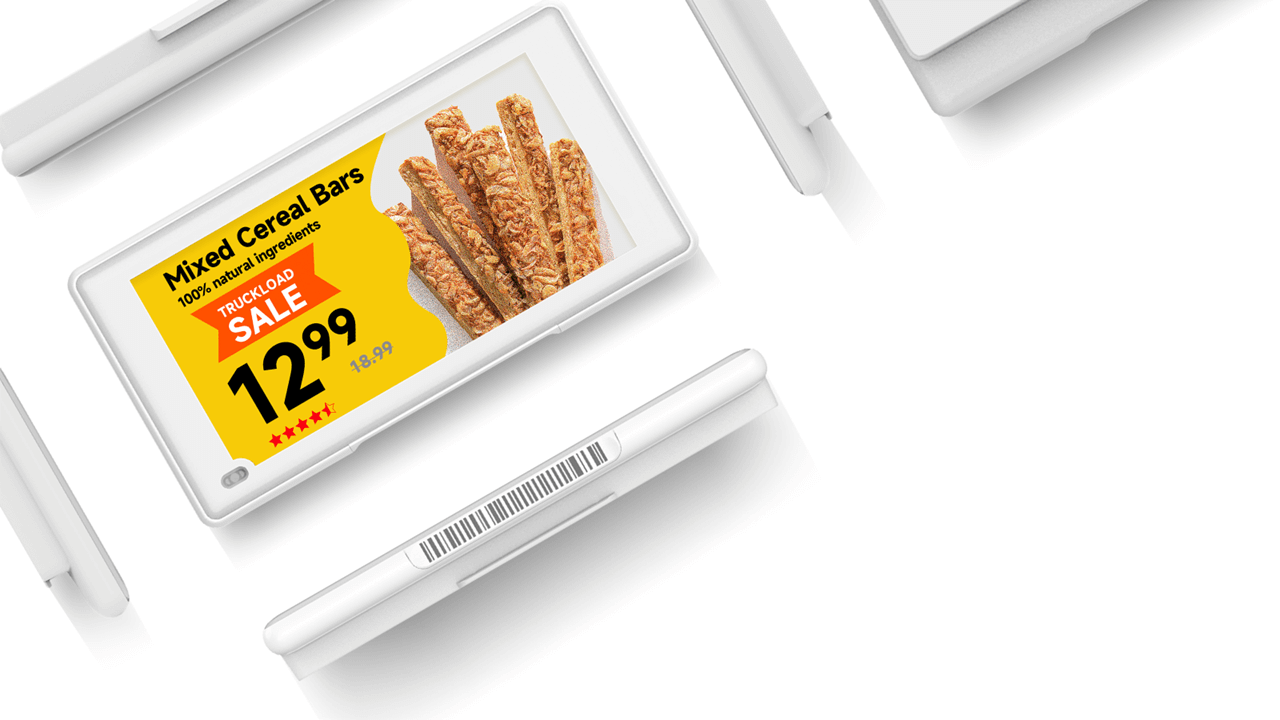
Root causes: why paper tags and ad-hoc fixes keep failing
I remember standing in aisle 7 of a 2,500 sqm wholesale outlet in Rotterdam in March 2021, watching staff swap out paper tags under fluorescent lights — that two-hour ritual cost us 65% of a full-time position and still left price compliance gaps. Early on I learned that the core problem wasn’t people; it was the tools and process. The benefits of digital price tags in retail become obvious when you map labor hours to error rates: scenario — manual updates across 1,200 SKUs; data — a 3.4% pricing error rate last quarter; question — how many margin points did we lose to mistaken tags?
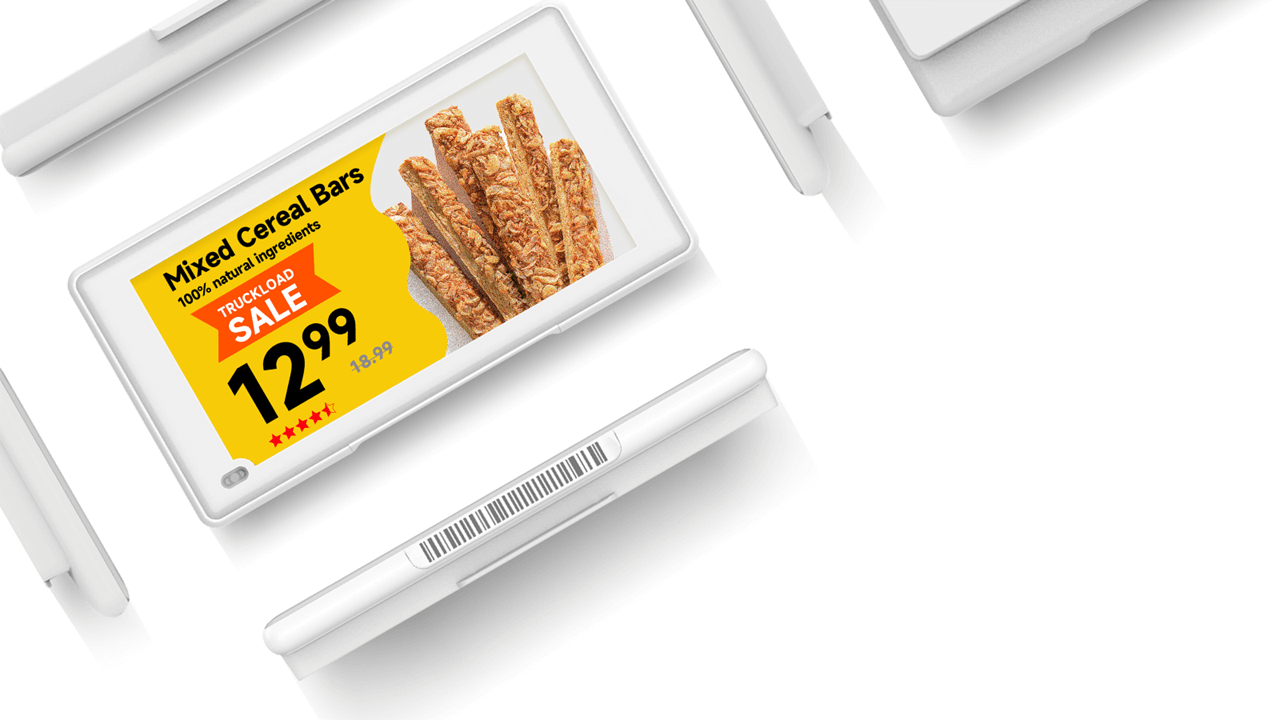
(I say this as someone with over 15 years in B2B supply chain and hands-on store rollouts.) Traditional solutions—paper labels, spreadsheets, and ad-hoc barcode scans—fail for three repeatable reasons. First, latency: price changes propagate slowly and inconsistently. Second, human error: a misplaced decimal or wrong SKU code causes price compliance failures and unhappy buyers. Third, visibility: no live shelf analytics or audit trail means issues surface only after a customer reports them. I’ve tested ESL deployments and simple RFID price-sync routines; the gains are concrete. For one rollout of 1,200 electronic shelf labels (ESL) tied to our POS in April 2021, manual update time dropped from six hours to under two — measurable, repeatable, no big deal to track on the dashboard. These are not abstract gains; they cut labor, improve price compliance, and reduce shrink risk. That explains the underlying pain; next I’ll compare how to choose the right tech and vendor for scale and resilience.
Why did we accept slow fixes for so long?
What’s next: comparing systems and planning for scale
Now I shift to a comparative, slightly technical view — no hype, just what I look for when I advise wholesale buyers. I compare three approaches: basic ESLs with local radio, ESLs with cloud sync and shelf analytics, and hybrid ESL+RFID systems for inventory-linked pricing. The real decision points are update frequency, integration surface (POS and ERP), and redundancy (local cache vs cloud-only). From hands-on projects in Amsterdam and Rotterdam between 2020–2022, I found that cloud-synced ESLs reduced price drift fastest, while hybrid setups cut reconciliation time in half on fast-moving categories. The benefits of digital price tags in retail show up differently: one system wins on speed, another on inventory insight. Consider shelf analytics and ESL firmware behavior (noticeable on cheaper modules) — firmware that drops on a cold morning will leave you with blind spots. I prefer resilient stacks: local cache, predictable update windows, and clear rollback. Practical note — test a 200-SKU pilot (we ran ours for six weeks in March–April) before full roll; the pilot exposed a timezone/sync bug that would have cost a holiday weekend. What’s next then? Choose metrics and run the pilot — you’ll learn faster than any vendor demo will teach you.

What’s Next?
Closing — how to evaluate vendors and measure impact
I’ll be blunt: pick vendors by evidence, not promises. I recommend three concrete evaluation metrics — 1) real-world update latency (seconds to minutes, measured during peak), 2) measured reduction in manual pricing hours (percentage, from a before/after pilot), and 3) error rate change (price compliance %). I use those metrics in every proposal review and they expose both technical and operational gaps. I also insist on two specific checks during pilots: confirm ESL battery life under store lighting (we logged 18 months on a mid-range module) and verify POS sync during promotions. These details matter. I’ve seen choices based on aesthetics fail hard under volume — lesson learned. Also — ask for rollback tests. You need them. Choose with these metrics, run a short pilot, then scale. For pragmatic support and tested ESL deployments, see providers like Hanshow.

