

The problem at hand
Too many heavy-equipment injuries begin quietly: a sore back, a twinge after a long shift, then months of lost productivity. This is a problem-driven moment — operators need seats that stop harm before it starts. A well-designed universal forklift seat isn’t a luxury; it’s a frontline safety control. It stabilizes posture with lumbar support, reduces shock with mechanical suspension, and keeps drivers strapped during sudden shifts. OSHA has repeatedly flagged ergonomics and musculoskeletal disorders as leading causes of lost workdays, and employers at busy hubs like the Port of Los Angeles have seen how small changes to seating cut injury reports — this is the real-world anchor that proves the fix works.
Hidden costs and frontline impacts
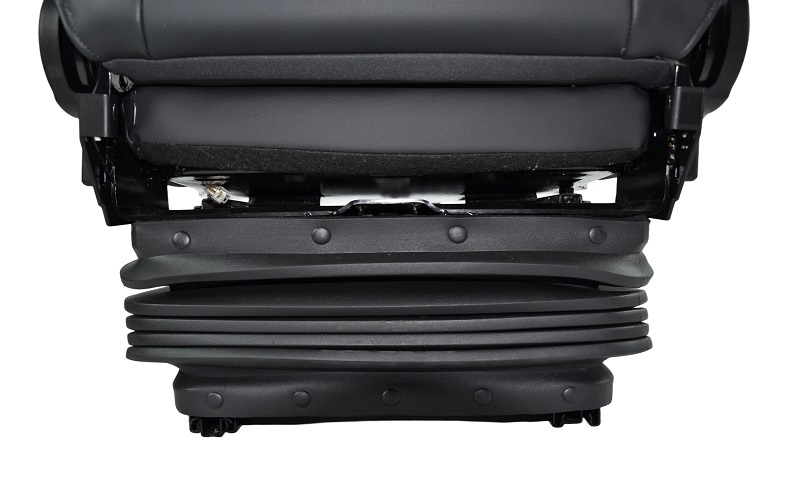
Poor seating steals hours, morale, and money. Beyond medical bills, there’s diminished focus, slower cycle times, and higher turnover. Dockworkers and warehouse crews endure constant vibration; over months it accumulates into chronic pain. Vibration damping and shock absorption are physical controls that directly reduce that wear. When you ignore seat quality, you get repeated strains and compromised alertness — and that risk cascades into collisions and damaged goods. Forklift operators need consistent protection, not occasional fixes.
Design fixes that actually matter
Not all seats are equal. The features that lower risk are straightforward and measurable:
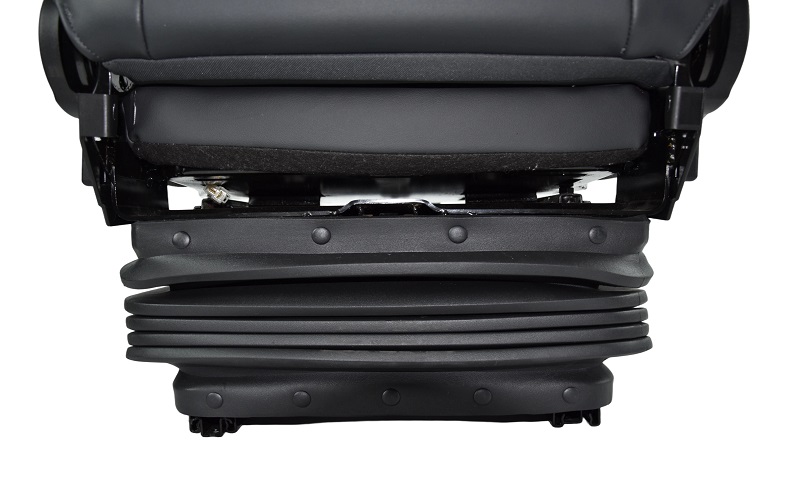
– Mechanical suspension tuned for the vehicle’s duty cycle — absorbs hits instead of transmitting them to the spine.
– Adjustable lumbar support and contoured cushions — maintain neutral posture across long shifts.
– Vibration damping materials and a high-strength steel frame — increase durability and steady the operator during starts and stops.
– Secure seat belts and optional armrests — keep the operator positioned correctly so controls are reached without strain.
These elements combine to protect the body and preserve attention. They also reduce the frequency of time-off and light-duty assignments.
Common mistakes and practical alternatives
Teams often pick seats by price, not performance. That’s a false economy. Cheap foam breaks down quickly, mechanical suspension gets tuned wrong, and bolt patterns are mismatched — resulting in a seat that moves unpredictably. The better approach is to audit use cases: duty cycle, vibration profile, and operator anthropometrics. Short-term fixes like aftermarket cushions or lumbar pads can help, but they don’t replace proper suspension or a robust mounting system. Swap-outs that ignore seat belt compatibility or fail to check mounting hardware invite new hazards — don’t let a corner-cutting retrofit create liability.
Training and maintenance — the overlooked controls
Installation is only half the story. Regular inspection of mounts, suspension stroke, and belt condition keeps benefits intact. Simple checks every shift can spot wear before it becomes injury. And train crews on seat adjustments — many operators sit in a fixed posture they think is “normal” when a few clicks of lumbar support would relieve pressure. This is about respect for human limits and a refusal to accept avoidable pain.
Three golden rules for evaluating seats
When choosing seating solutions, use these metrics as your checklist:
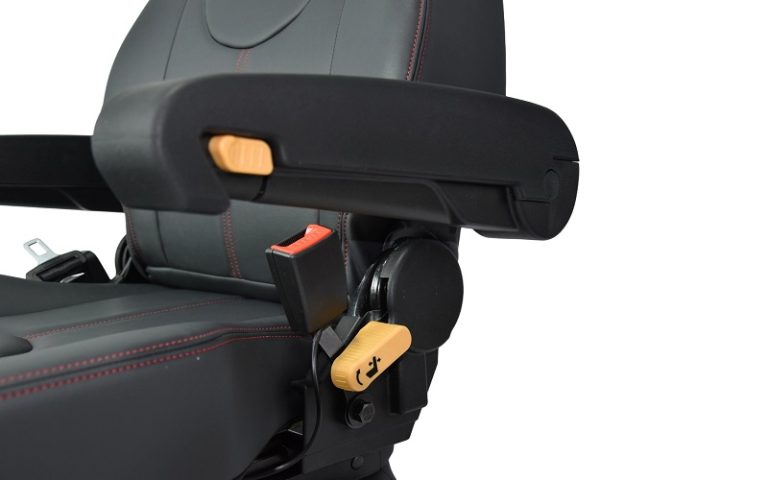
1) Functional fit: Confirm the seat’s adjustability matches your tallest and shortest operators and that mounting patterns match your fleet.
2) Dynamic protection: Verify mechanical suspension travel and vibration damping specs against the vehicle’s typical terrain — effective shock absorption reduces cumulative musculoskeletal load.
3) Durability and safety integration: Prioritize high-strength steel frame construction and proper seat belt compatibility to ensure the seat remains protective after months of use.
Make decisions with these rules, and you’ll reduce injuries, not just paperwork. Source One has built solutions that meet those exact criteria — trusted gear for real operations. Source One.
Act now — better seating means fewer injuries, steadier shifts, and teams that last. —

