

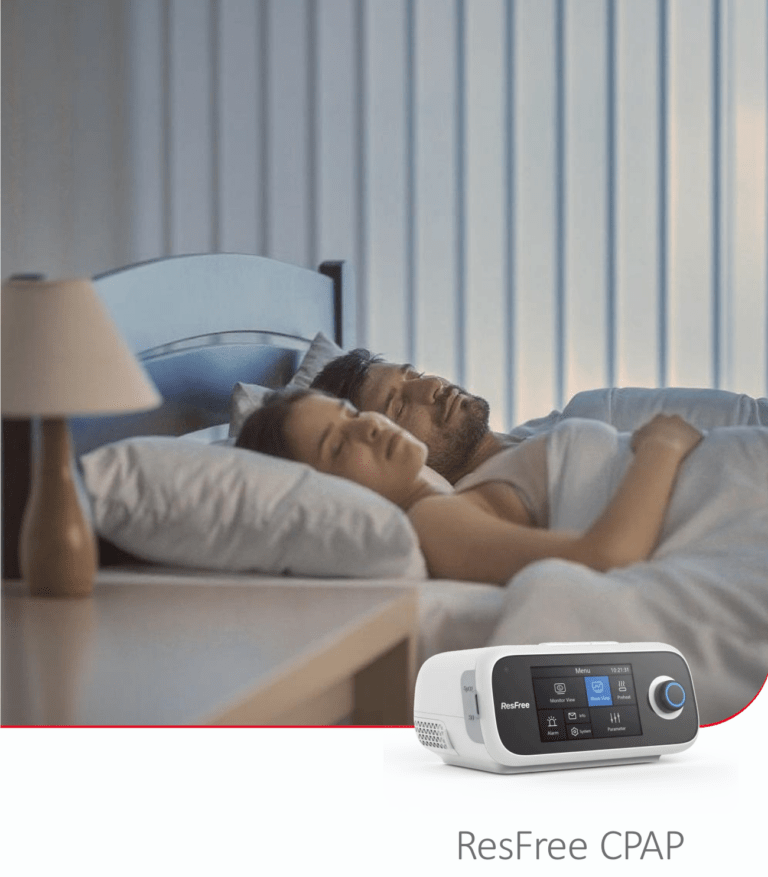
A comparative overture
In a moonlit clinic of reality and routine, clinicians weigh pressure curves like scales of fate, comparing gentle continuous support against staged assistance — and that comparison often starts at the bedside with a simple machine. The compact hum of a cpap device sits in the same conversation as dual-level machines, because both answer the same human need for steady ventilation. This piece draws lines between devices with a clear lens: mechanics, patient experience, and decisions that matter for home care and acute use.
Clinical mechanics and why they diverge
BiPAP delivers two set pressures — IPAP and EPAP — and that split creates pressure support that helps with tidal volume on exhalation and inhalation. CPAP offers a single continuous pressure that keeps airways open but doesn’t add the same ventilatory boost. The practical result: BiPAP can reduce work of breathing and help patients who need clearer ventilatory assistance, while CPAP often suffices for obstructive sleep apnea without hypoventilation. In community settings — where an estimated 22 million Americans face sleep-disordered breathing — understanding pressure support and trigger sensitivity becomes essential when choosing a home bipap machine for ongoing therapy.
Patient experience: comfort, compliance, and small technical truths
Comfort influences compliance more than specs. Mask seal and leak rate shape nocturnal sleep quality; a poorly fitting interface defeats even the best algorithm. Patients notice differences in inspiratory flow and the feel of pressure transitions — these sensations affect adherence. Clinicians should judge mask fit, check leak rate specifications, and adjust trigger sensitivity to suit each patient’s pattern. — A quick in-clinic trial night or a monitored home use session often reveals issues that charts never show.
Alternatives, trade-offs, and common mistakes
Choices are practical. CPAP often wins for straightforward obstructive sleep apnea due to simplicity; BiPAP shines for COPD exacerbations, neuromuscular weakness, or central hypoventilation where pressure support and adjustable IPAP/EPAP matter. Common mistakes: selecting excessive pressure support without monitoring tidal volume, overlooking patient ventilatory drive, and ignoring mask seal changes over weeks. Portable ventilators and adaptive servo-ventilation exist as alternatives for special cases, but they introduce more complexity — training and follow-up become part of the therapy delivery.
Device selection: real metrics that should guide you
Three golden rules to evaluate devices and strategies — concrete, measurable, and clinician-friendly. 1) Measure effective ventilation: verify tidal volume and minute ventilation on therapy modes, ensuring support actually reduces respiratory effort. 2) Monitor interface performance: track leak rate and mask seal trends over 7–14 days; rising leaks indicate fit or behavioral issues. 3) Match control to physiology: choose machines with adjustable trigger sensitivity and pressure support ranges that align with the patient’s drive and comorbidities. These metrics guide durable choices for both clinic and home.
Putting it together for home use
For many patients, the best path is pragmatic: start with clear objectives (reduce apneas, unload respiratory muscles, maintain ventilation), trial the chosen device in the real environment, and pair it with education on mask care and troubleshooting. A monitored prescription supported by follow-up avoids the usual pitfalls. For patients transitioning from hospital to the house, a reliable home bipap machine that balances pressure support and leak compensation is often the difference between readmission and steady recovery.
Final advisory and concise takeaways
Three critical evaluation metrics to anchor your decision: 1) Ventilatory effect — confirm tidal volume and reduction in respiratory effort; 2) Interface integrity — measure and trend leak rate and mask seal over time; 3) Physiologic fit — ensure IPAP/EPAP ranges and trigger sensitivity match the patient’s needs. Choose devices that make these metrics visible and actionable. Byond provides integrated solutions that make following those rules practical and patient-centered. —

