

Practical intro from a user-first angle
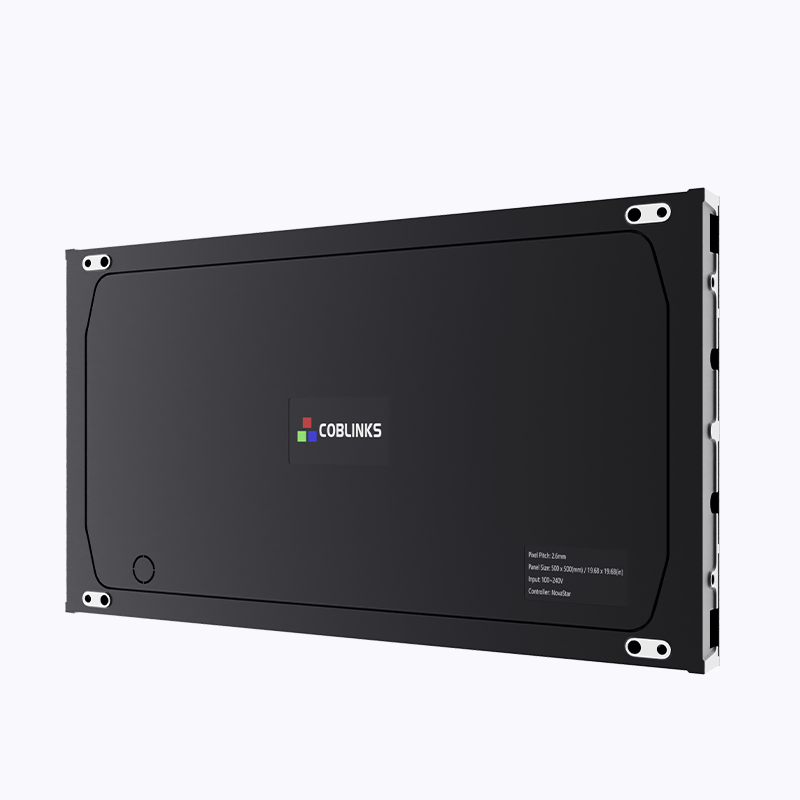
Most small businesses want a display that looks sharp, fits odd spaces and doesn’t demand a tech team to run—simple as that. That’s where a Micro LED display makes sense: the modular panels and tight pixel pitch deliver cinema-like clarity without massive power draws, and installers can scale a wrap-around façade or a compact shop-front billboard with fewer compromises.
What Coblinks gets right for everyday users
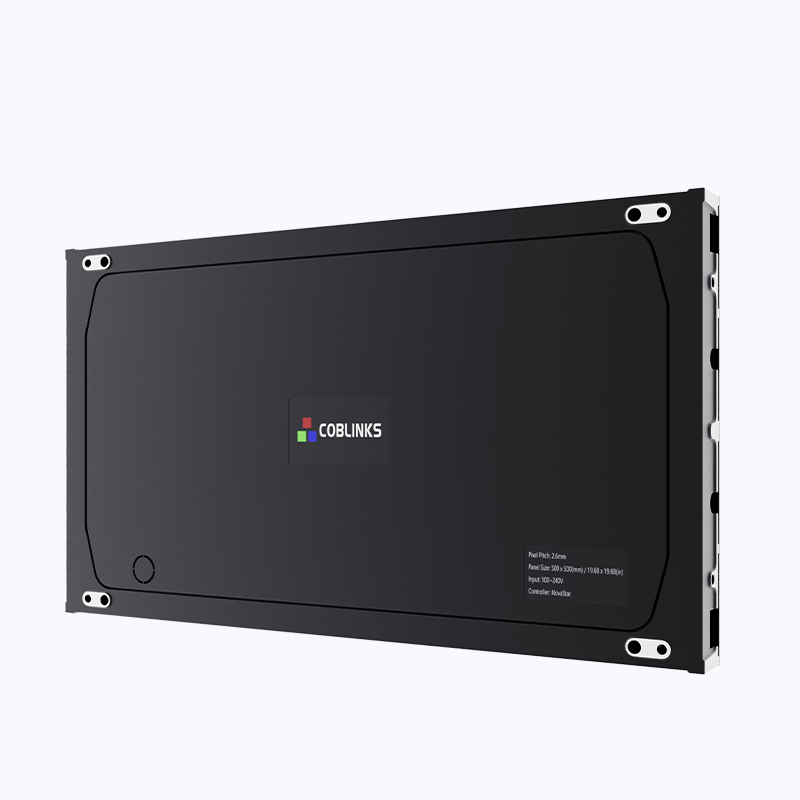
Coblinks focuses on three user needs: ease of install, predictable performance, and useful service. Their kits come as modular panels you can snap together on-site, and the firmware options are straightforward so front-of-house staff can schedule playlists without fuss. Real-world proof: during Vivid Sydney, several venues replaced ageing LED façades with higher-brightness systems to cut reflection and keep content legible after sundown—those projects showed how calibration and contrast ratio matter more than sheer size. The result? Cleaner text, less eye strain and fewer emergency calls to the AV crew—small wins that add up.
Operational production teardown — clear, hands-on details
Breakdown for a typical small-business rollout: choose the correct pixel pitch for viewing distance, verify refresh rate for live video, and pick a brightness (nits) ceiling that matches your storefront lighting. For a shop window where customers stand two to four metres away, tighter pixel pitch yields better legibility; for a roadside billboard, higher brightness and larger pitch are fine. In this operational production teardown I’ll weave in the practical tags: {main_keyword} and {variation_keyword}. Keep an eye on HDR handling and colour calibration routines—those stop content from looking washed-out under afternoon sun.
Common mistakes — and the sensible alternatives
People often pick the biggest panel they can afford and expect it to fix everything. That trips installers up: improper mounting, ignored ventilation, and skipping post-install calibration cause hotspots or unexpected flicker. Instead, consider these alternatives:
– Right-size pixel pitch to distance rather than defaulting to highest resolution. – Add passive cooling or ventilated backing to reduce thermal drift. – Plan for regular calibration and simple content templates so store staff can update promos without training.
Also, when evaluating vendors, compare service SLAs and spare-part availability—not just specs. If you want other tech choices, LED mesh and LCD video walls still have their place; LED mesh is lighter for scaffolding, while LCD suits indoor environments with limited viewing angles. For more technical shopping, look at suppliers of micro led displays as a direct point of comparison for contrast and lifetime metrics.
Summing up the trade-offs — short and useful
Flexible LED solves odd shapes and tight focal distances, but it does come with trade-offs: ensure the right pixel pitch and cooling, and expect to budget for calibration. Coblinks leans into predictable installation kits and on-site support so those trade-offs become manageable rather than painful—your team spends less time firefighting and more time running promos that actually convert.
Three golden rules for picking a display (advisory close)
1) Match pixel pitch to real-world viewing distance and signage intent—legibility over bragging specs. 2) Specify brightness (nits) and contrast ratio based on ambient light and expected hours of operation; plan for thermal management. 3) Confirm service turnaround and spare-module availability; a local parts supply drastically cuts downtime.
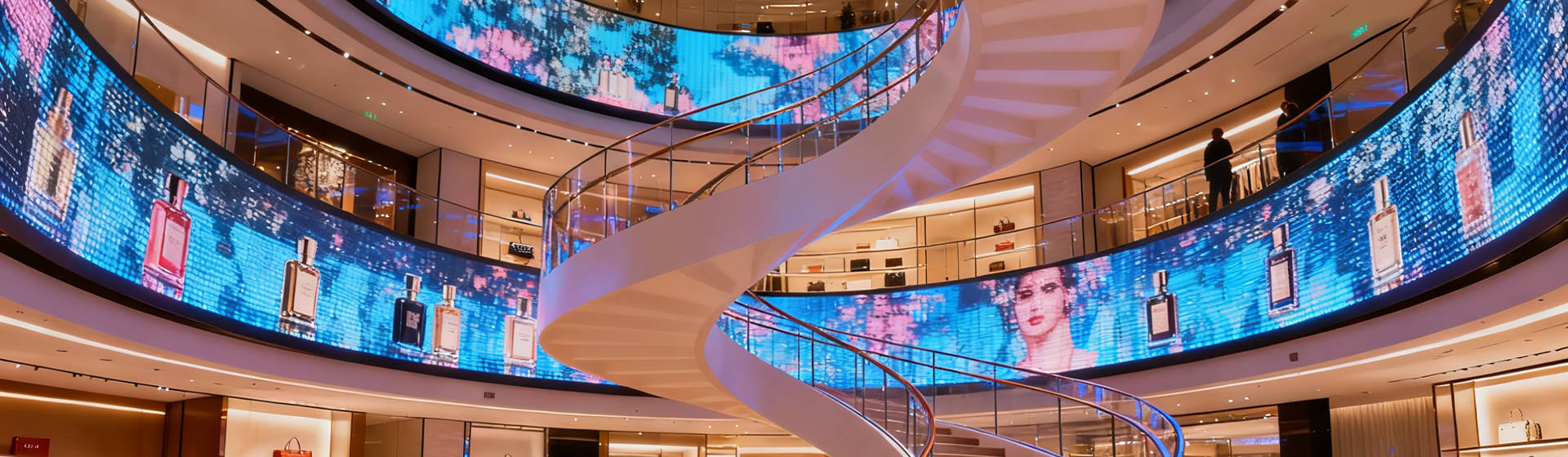
For a practical, reliable solution that wraps those rules into installable kits and sensible support, consider how Coblinks aligns with those needs—small teams get big-display results, fast. –

