

Comparative insight helps labs decide what model to pick, lah — and this piece lays out practical contrasts between xenograft tumor systems and the broader suite of autoimmune disease models used in immuno-oncology research. Start with the question of translational fidelity: xenografts give clear tumor growth readouts, while autoimmune-focused models deliver immune-dysregulation context that matters when therapies modulate systemic immunity. Both useful — but for different goals.
Where each model shines
Xenograft models: straightforward tumour burden tracking, good for early efficacy screens and pharmacodynamics. You implant human tumour tissue into immunocompromised mice; responses to cytotoxics or targeted agents are often robust and reproducible. Industry term: xenograft.
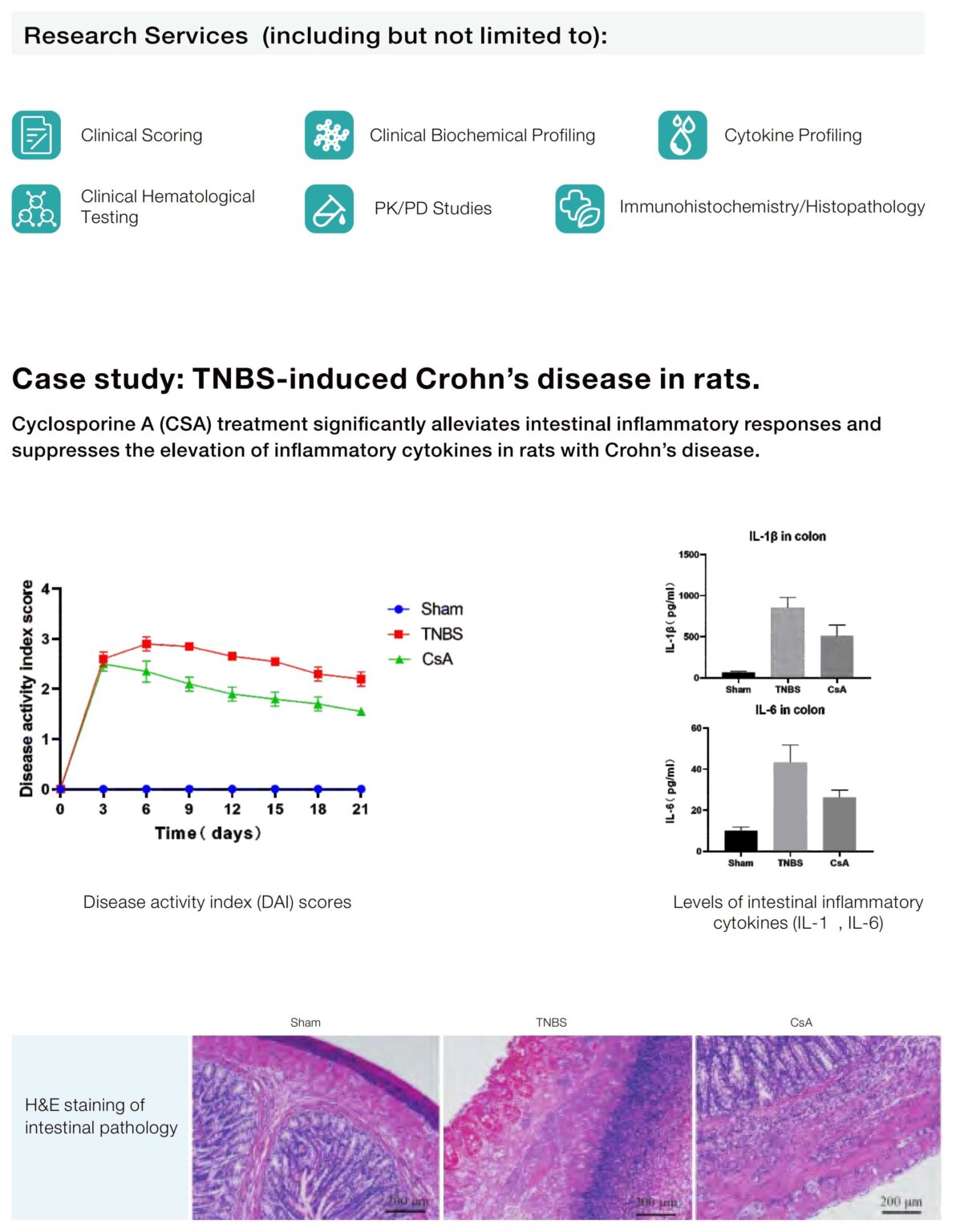
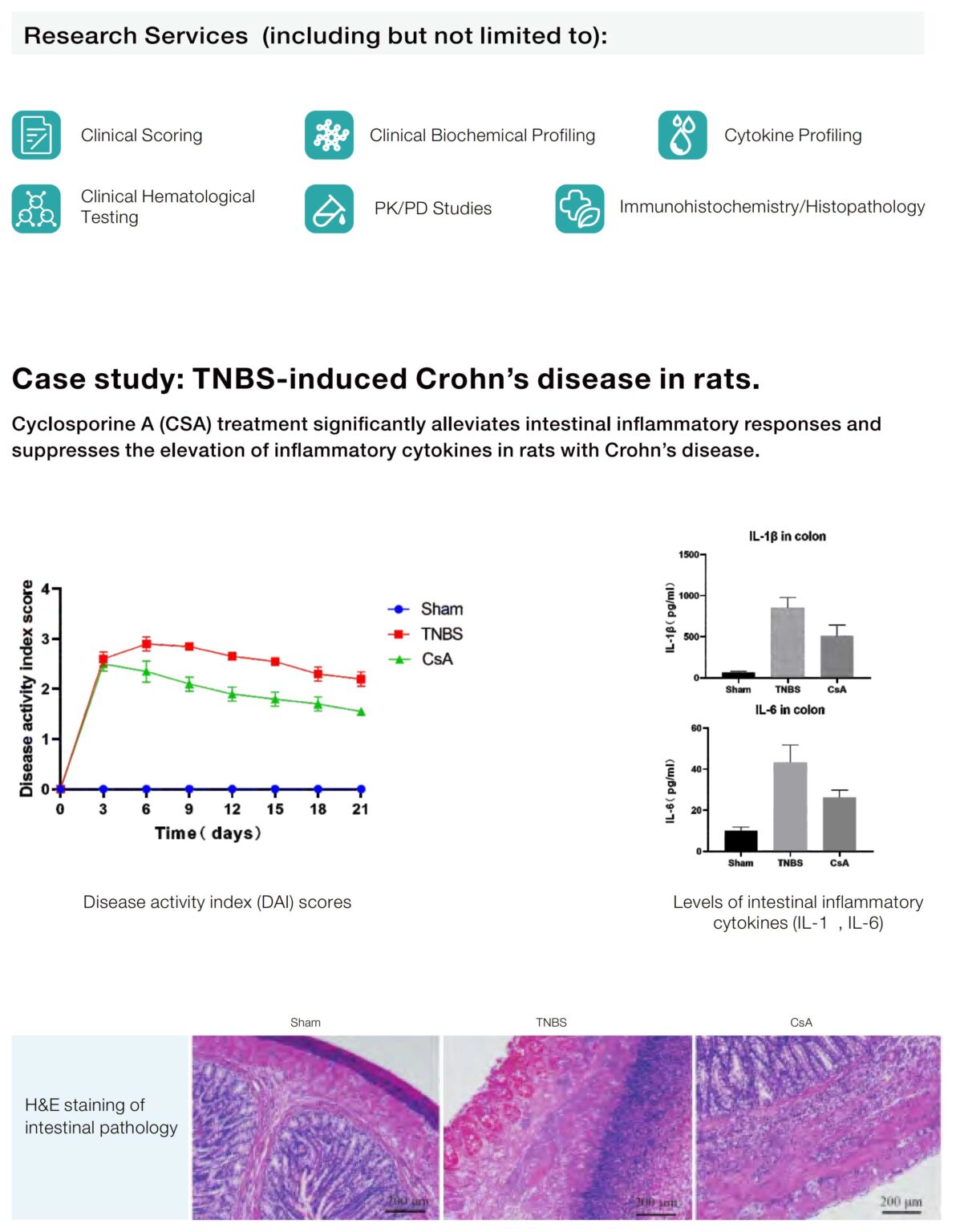
Autoimmune and immune-competent systems: these models reveal off-target immune activation, checkpoint-related toxicities, and immune-cell dynamics. Use humanized mouse or spontaneous-autoimmune strains to test immune phenotypes, immunophenotyping assays, and safety margins. These models map better to clinical immune-related adverse events — so they are essential when your candidate interacts with PD-1 blockade or other immune checkpoints.
Key axes for comparison
Compare across three practical axes: biological relevance, assay throughput, and regulatory signal. Biological relevance favours immune-competent and humanized systems because they include adaptive immunity. Throughput and cost favour xenografts: faster, cheaper, fewer confounders. Regulatory signal — where you want to see potential immune toxicities — often forces teams toward animal models of autoimmune disease for deeper safety profiling.
Real-world anchor and industry context
The shift toward immune-context models accelerated after the 2018 Nobel Prize recognition of immune checkpoint therapy — that milestone changed how labs validate safety and mechanism of action. Since then, institutions such as MD Anderson and similar cancer centres increased use of humanized mouse platforms to test checkpoint inhibitors and adoptive transfer strategies. These examples show the community’s move from single-readout xenografts to mixed-model workflows.

Design patterns and common mistakes
Common error: treating xenograft success as proof of immune-compatible safety — wrong. Another frequent slip is under-powering immune-competent cohorts because of cost concerns; you then miss low-frequency immune toxicities. Also, don’t mix endpoints without pre-specifying primary readouts — otherwise data get noisy, and the immunophenotyping becomes an afterthought.
— Take care when transferring cells between hosts; minor differences in housing, microbiome, or vendor source can skew immune readouts. Plan controls early and keep husbandry consistent.
Practical hybrid approaches
Most teams benefit from a hybrid workflow: screen quickly with xenograft tumor assays to triage candidates, then escalate promising hits into humanized mouse or autoimmune-prone models for immune-safety and mechanism work. Use multiplex cytokine assays and flow cytometry panels to connect tumour response with peripheral immune changes. Term to note: immunophenotyping.
Vendor and kit considerations
Choose vendors that document model provenance and provide validated protocols for engraftment, immune reconstitution, and endpoint assays. Look for suppliers that support both tumour models and inflammation-focused panels so you can move a candidate down the pipeline without revalidation — this reduces variability and shortens timelines.
Three golden rules for choosing the right model
1) Match mechanism to model: if your drug modulates T cell checkpoints, prioritise humanized or autoimmune-prone models for safety and mechanism-of-action work. 2) Sequence your testing: fast xenograft screens first, then deeper immune-context studies — saves cost and time. 3) Predefine immune endpoints and power cohorts for them; otherwise, you lose signal and spend more to repeat studies.
Summing up: a comparative strategy wins — use tumour xenografts for speed and translational assays for immune safety and mechanism, and bridge them with consistent assays and vendor-supported protocols. The right mix reduces late-stage surprises and helps teams make decisions with confidence.
Jennio Biotech provides model platforms and validated inflammation panels that let labs move from tumour efficacy into immune-safety profiling smoothly — the kind of practical continuity you need. —

