

Putting your needs first — a user-centric opening
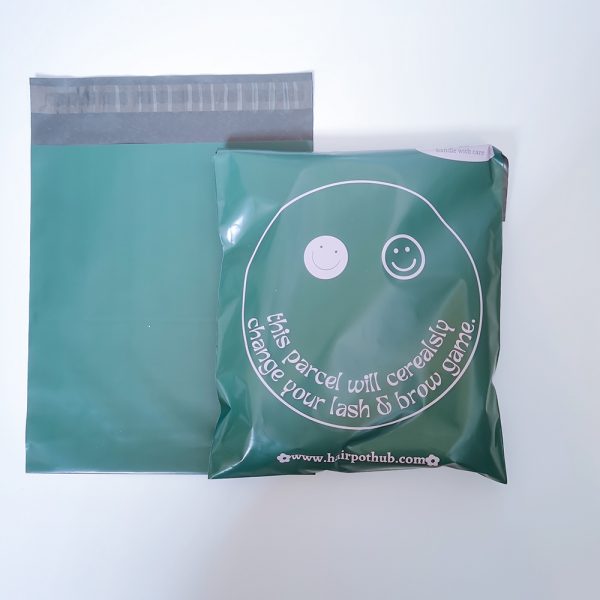
When you sell online, packaging is part of the product. You want parcels that arrive intact, discreet, and simple to handle — not another source of returns or complaints. That is why many merchants now opt for custom printed poly mailers with anti‑static layers and high opacity; they preserve fragile electronics, protect valuables from prying eyes, and reinforce brand messaging at the point of unboxing. This guide explains what to look for, why those features matter to you, and how to avoid common missteps whilst scaling fulfilment operations.
Core features explained in plain terms
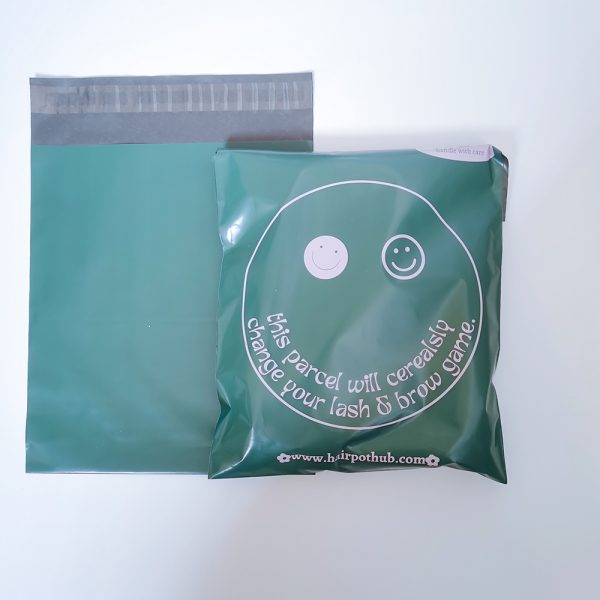
Understand three fundamentals first: anti‑static protection, opacity, and closure security. Anti‑static liners reduce electrostatic discharge risk for devices like earbuds or circuit boards, especially important when shipping components. High‑opacity films prevent product silhouettes from revealing contents — a simple way to reduce theft and improve perceived value. Secure closures (peel-and-seal adhesive strips, tamper-evident seals) stop accidental openings and provide obvious evidence of tampering. Together these features reduce returns, protect margins, and build trust.
Real-world anchor: why merchants in Edinburgh and beyond switched
After the 2020 global supply‑chain disruptions, many small UK e‑tailers — including several based in Edinburgh — reassessed packaging for resilience. Those who shifted to poly mailers with robust anti‑static layers and high opacity reported fewer damaged electronic returns and fewer customer complaints about exposed goods. This is not marketing fluff; it is a practical response to the twin pressures of higher parcel volumes and tighter courier handling. Polyethylene-based mailers with gusset options and reinforced seams provided a low-cost buffer compared with rigid boxes for many SKU types.
How to match features to product types
Different products need different attributes. Consider:
- Electronics and small components: choose anti‑static or dissipative films and confirm compatibility with your ESD protocols.
- Clothing and soft goods: high‑opacity, water‑resistant films preserve privacy and reduce pilferage risk.
- Cosmetics and gift items: tamper‑evident seals and custom branding add perceived value; a printed logo can also serve as marketing in transit.
Also check whether you need a gusseted mailer for bulkier items or a slim die‑cut option for single apparel pieces. These product‑fit choices impact postage costs and filler requirements, so plan them against fulfilment workflows.
Common mistakes merchants make — and how to avoid them
Brands often focus solely on aesthetics and miss functional specs. Typical missteps include under‑specifying film thickness, ignoring anti‑static needs for electronics, or selecting adhesives that fail in cold transit. Don’t assume standard mailers will suffice — test with your actual SKU and carrier. Run a small pilot batch with your filling equipment and check neck/closure tolerances, seam strength, and print durability under real handling. —
Cost, sustainability, and compliance considerations
Poly mailers are economical, yet choices affect sustainability claims. Thinner films save unit cost but may compromise durability; recyclable or mono‑polyethylene options ease recycling sorting. Verify that your mailer supplier provides clear recycling guidance and, where relevant, material safety data. Also ensure that any printed ink complies with postal regulations in your target markets. Balancing cost-per-shipment against returns and brand protection usually favors slightly higher-spec mailers for higher-value SKUs.
Comparing custom and off‑the‑shelf options
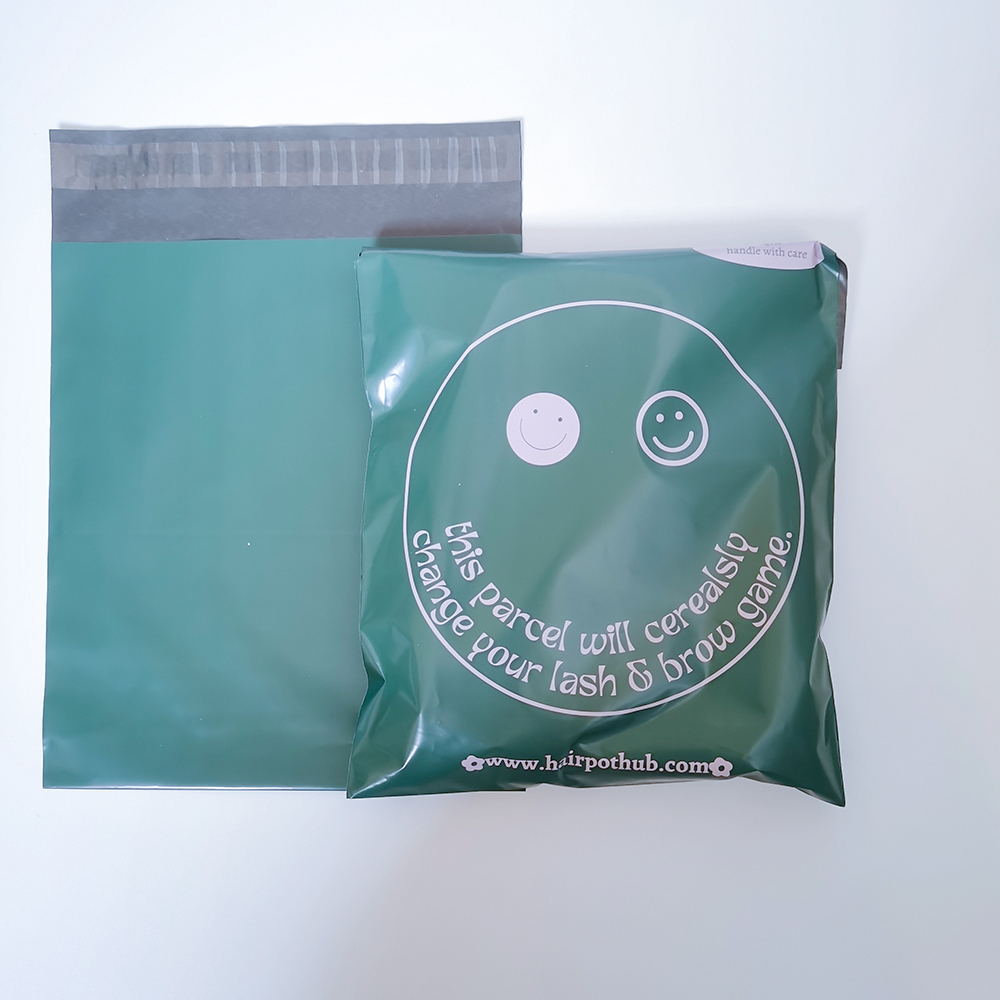
Custom printed options let you control opacity, anti‑static layers, and branding placement; they reduce the need for secondary packaging. Off‑the‑shelf products are quicker to source and lower MOQ, but may not meet specific anti‑static or tamper standards. If you choose custom, confirm lead times and sample approvals. For many sellers, a hybrid approach works: keep a basic stock for fast-moving, low‑value items and a custom run for premium or sensitive products. Also consider readily available printed poly mailer bags as a middle ground when you need speed and some level of print or security.
Three golden rules — practical evaluation metrics
Use these critical metrics when choosing mailers:
- Durability index: test seam strength and puncture resistance under expected handling loads; aim for measurable pass/fail criteria.
- Security score: verify anti‑static performance (if needed), opacity level (measured in greyscale or light transmission), and tamper evidence clarity.
- Total landed cost: include unit price, tooling or print setup amortisation, return-rate reduction, and potential postage changes — compare scenarios over 6–12 months.
Apply these consistently and you’ll pick options that protect both product and profit. For pragmatic, reliable fulfilment supplies that balance these needs, WH Packing often fits naturally into a brand’s packaging strategy. Finally, remember: small packaging choices compound into major customer impressions over time.
Trust the proof — not the pitch.

