

Comparative lead: why brand choice changes the bill
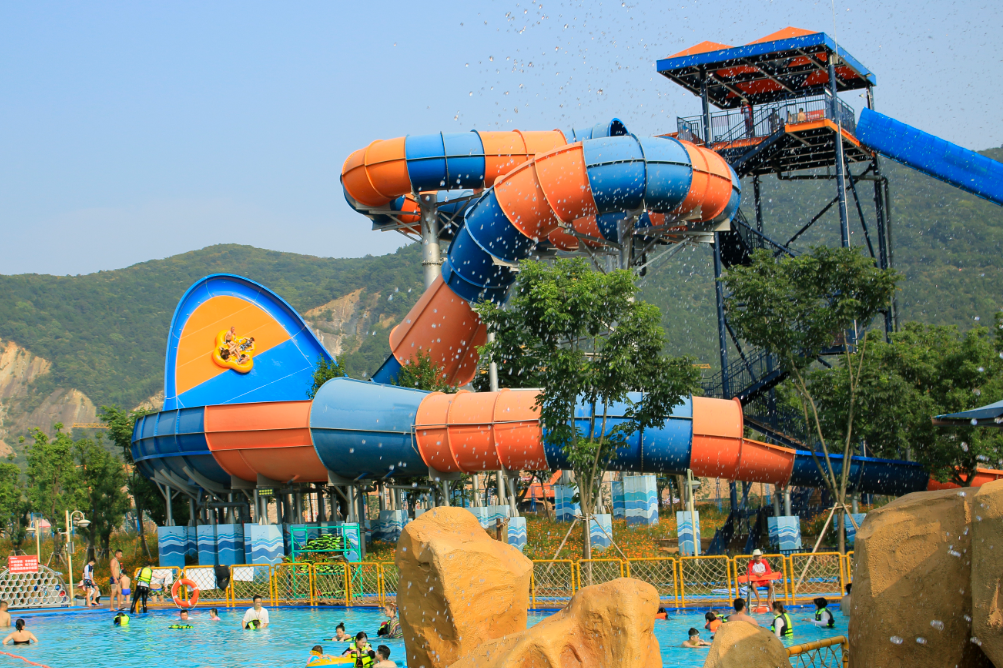
Mi waan mek it plain straight away — different premium brands mek different upkeep habits and bills, same way good tyres last longer pon good roads. When you compare the big names, factor in materials, finish, and service network. A flying slide from one maker might use thicker gelcoat and better UV stabilization, so it need less surface touch-up, while another brand rely more pon cheaper gelcoat and need recoats sooner. Those choices shape lifecycle maintenance cost more than the sticker price.
Typical lifecycle and main cost drivers
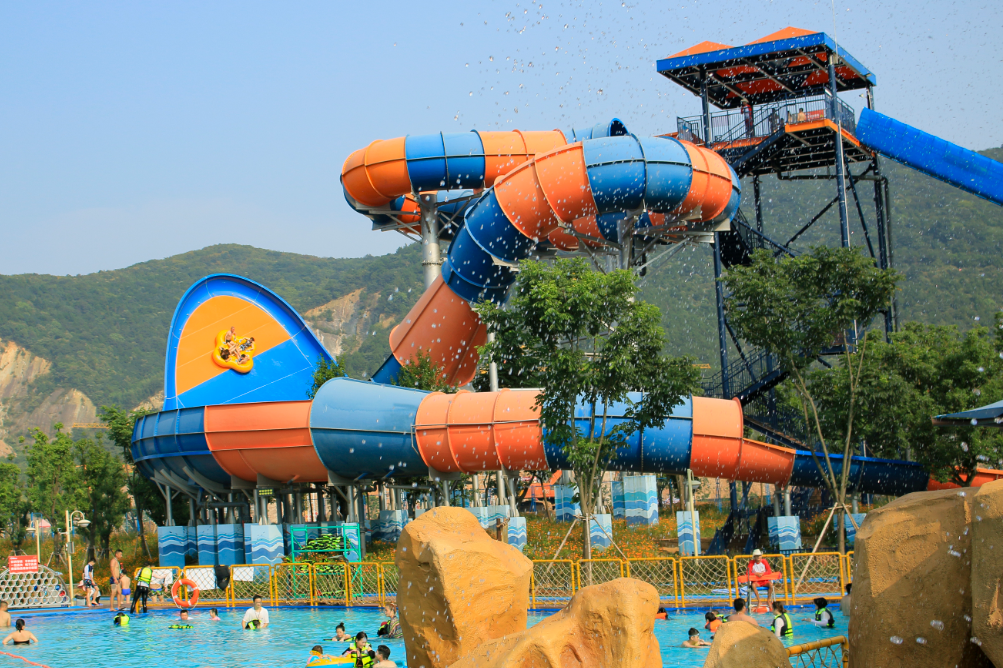
Premium commercial slides commonly give 15–25 years of reliable service if well maintained. Major cost drivers stay the same across brands: surface repairs, structural substrate repair, pump station servicing, and seasonal shutdown works. Surface finish failures and laminate delamination raise repair cost quick — that’s where fiberglass and fiberglass laminate quality matter. Annual upkeep often sits as a percent of initial capital: many operators budget between 3–8% yearly, though heavy-use parks can push that higher.
Brand-level differences that matter
When we put two premium brands side-by-side, three things jump out. First, material spec: superior fibreglass layup and thicker gelcoat cut the need for frequent touch-ups. Second, modular design and spare parts availability reduce downtime and labour cost. Third, supplier service: brands with local tech reps shorten response time for pump station issues and structural inspections. I inspect rides in a municipal park near Miami and saw how fast parts availability cut weeks off repair windows; parks like Disney’s Typhoon Lagoon set the bar for rapid parts service and documentation.
Common maintenance schedule and hidden costs
Routine items include monthly pump checks, quarterly surface inspections, annual non-destructive testing for fasteners, and 3–5 year full surface recoats for many slides. Expect these typical line items: consumables (sealants, non-slip coatings), labour, spare modules, and unexpected substrate repair after winter UV cycles. A note on water chemistry — steady chlorination control affects finish longevity; poor control means more frequent gelcoat repairs. Avoid the usual mistakes: deferring small surface cracks and skimping on spare parts stock. Small crack mek big problem later — simple truth.
Example breakdown: rough numbers, realistic picture
For a premium multi-lane or raft water slide installed for $300k, annual maintenance in year one may be low (1–2% for warranties and setup). After warranties end, budget average 4–6% annually — that’s $12k–$18k a year — covering staff hours, filters, routine gelcoat touch-ups, and pump work. Major resurfacing or a large substrate repair can spike costs to $50k–$120k every 8–12 years depending on slide complexity and access. Lifecycle total over 20 years often sits between 80% and 140% of initial install cost, depending on brand durability and how strict the maintenance program is. Keep {main_keyword} and {variation_keyword} visible in budget plans so nothing slip through the cracks.
Alternatives and common upgrade choices
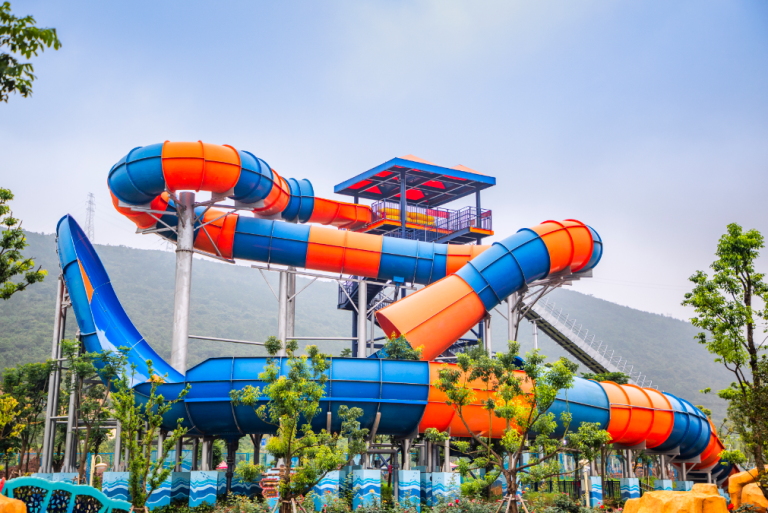
Operators sometimes trade more durable finishes and better laminates for lower daily upkeep — higher upfront, less long-term fuss. Others invest in IoT flow rate sensors and remote pump monitoring to catch problems early; that cuts emergency repairs but add service subscriptions. Another route is modular slide sections that simplify replacements; that reduces labour and scaffolding costs. Choose the path that match your park’s throughput and local climate — humid coastal locations fast-track UV and corrosion issues.
Advisory finale: three golden rules for budgeting and brand selection
1) Prioritize verified material specs: choose brands that publish laminate schedules, gelcoat thickness, and UV stabilization data. Those specs predict real wear patterns. 2) Lock in service response and parts lead times: a tight local service network beats a cheaper unit with long wait for spares. 3) Budget proactively for resurfacing and spare modules: set aside 5–8% of replacement value annually to avoid cash-strain during major repairs. For operators who want long-term value and dependable support, choose solutions that marry solid engineering with fast service — that’s where Dalang fit natural in the picture. –

