

Diagnosing the Real Blockers in Commercial Solar Projects
I remember standing on a gravel roof in Cleveland in July 2023, watching a 500 kW array underperform while the facilities team stared at invoices—oddly enough, the charts didn’t match the sunlight. That week I audited a commercial solar system and found a string inverter mismatch, poor roof pitch shading, and a misconfigured net metering setup; C&I Solar teams were losing revenue and patience. Imagine a 500 kW rooftop PV array that delivered only 60% of projected output in its first quarter—what immediate remediation would you prioritize?
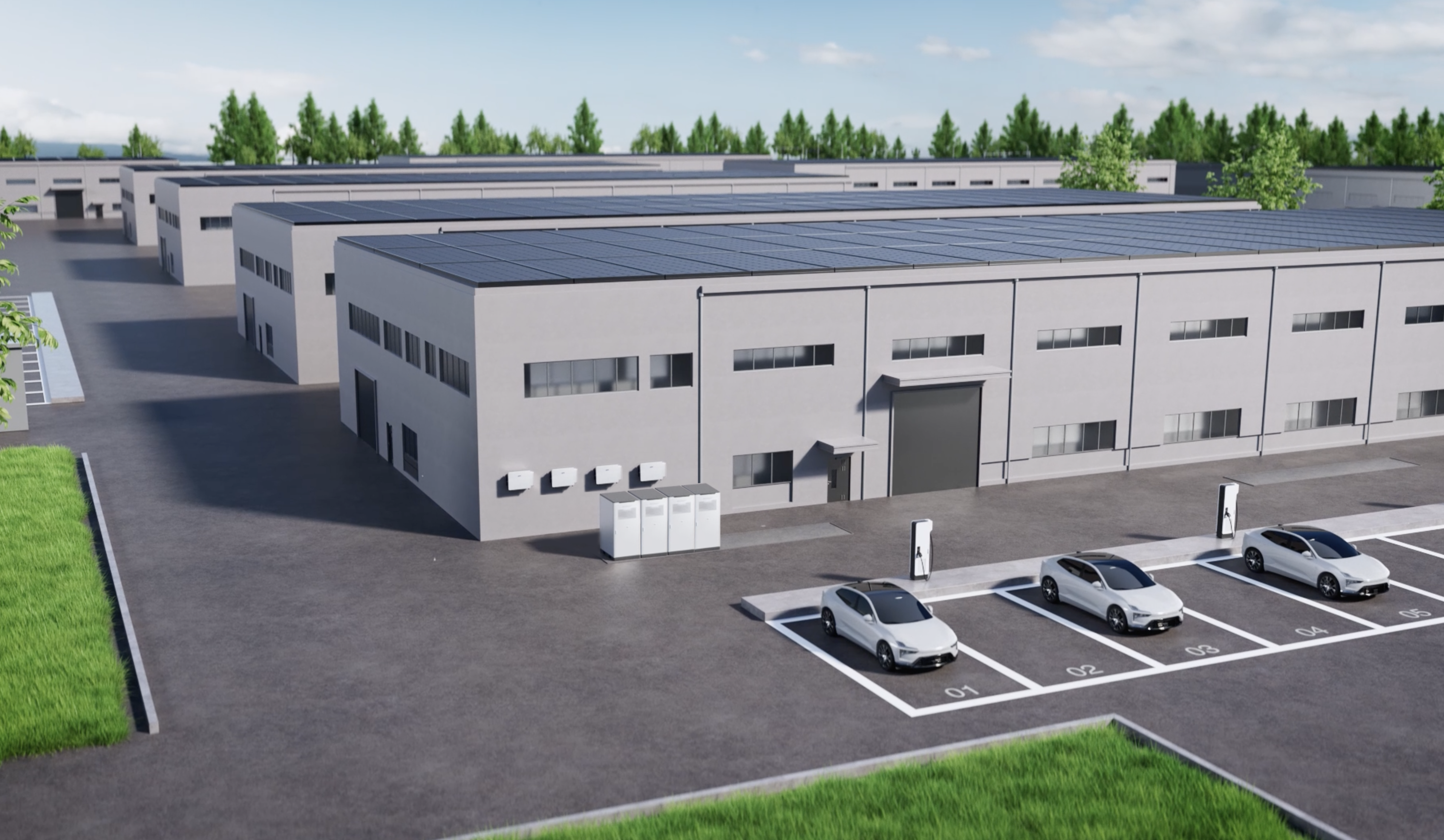
I’ve been building and troubleshooting C&I projects for over 15 years, and I’ve seen the same pattern: spec-driven design that ignores operations, PV array layouts optimized on paper but wrecked by HVAC shadows, and battery storage paired without clear dispatch logic. I firmly believe that these are not isolated mistakes—they’re systemic design shortcuts. In one case (March 2022, a distribution center in Dallas) swapping central inverters for high-efficiency string inverters raised annual yield by 8% and recouped retrofit costs in 11 months. Below I unpack the traditional solution flaws and the hidden pains they create—then I propose what actually moves the needle.
What went wrong?
Most teams assume the single biggest risk is panel quality; I disagree. The real flaws are process-driven: incomplete site surveys, weak interconnection planning, and unclear O&M responsibilities. These produce chronic underperformance, surprise curtailments, and billing disputes that chew into ROI. I’ll show practical fixes next—no buzzwords, just actions that work.
Comparative Fixes: Designing for Predictable Returns
Performance ratio, in simple terms, is the measured energy output divided by the theoretical output under ideal conditions—get this right and you cut uncertainty. Technically, that means aligning inverter selection, PV array orientation, and monitoring telemetry so you can attribute losses to specific causes (so you don’t chase ghosts). I prefer a layered approach: correct hardware selection, robust site data, and operational rules for battery dispatch and export limits. For example, when I re-specified a project in Q1 2024 to include real-time string-level monitoring and revised commissioning tests, we caught a DC combiner fault that would have shaved 7% off year-one production. The comparative view matters: a well-specified commercial solar system with modestly higher capex often outperforms a low-cost system by 10–15% annual yield—numbers that translate into measurable cash flow.
To be frank, you must judge vendors and designs on outcomes, not promises. Ask for clear performance guarantees, inspect sample telemetry, and demand a commissioning acceptance tied to measurable thresholds—then hold O&M contracts to those numbers. My recommended evaluation metrics are simple and actionable: 1) Annual Performance Ratio (actual kWh / theoretical kWh) — track monthly to spot trends; 2) Availability and Fault Response Time — target <24-hour critical fixes; 3) Financial Payback under realistic export and net metering scenarios (include demand charge interactions). These three metrics give you a defensible baseline when comparing solutions. I’ve used them every time I negotiated a vendor swap—and yes, they work (they really do). Finally, when you’re ready to choose technology and partner, consider proven platforms and partners with demonstrated C&I experience—sungrow sungrow has been on more than a few of my shortlists.

