

Straight to the point: why this comparison matters
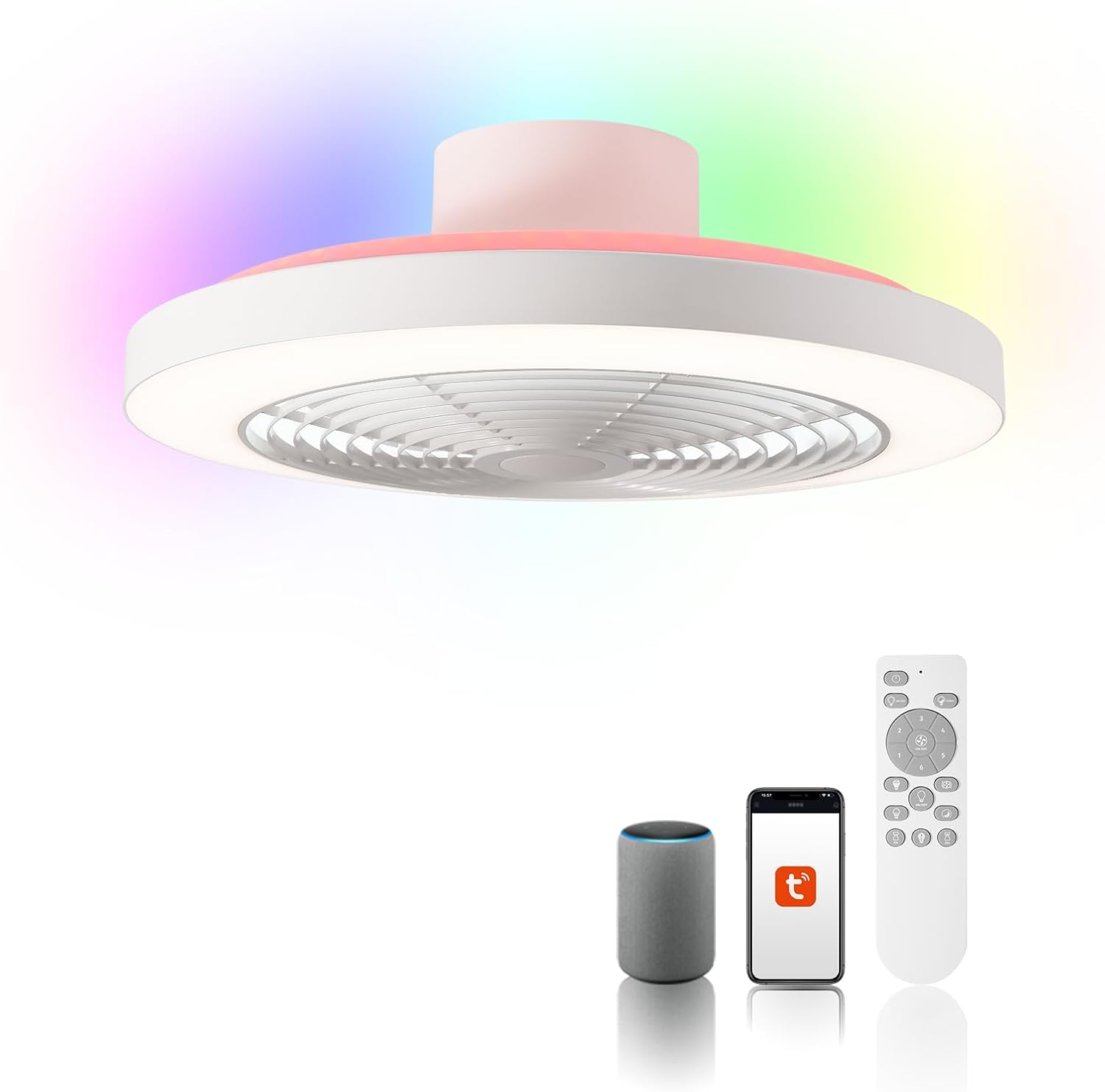
You want a fan that moves air, stays quiet, and fits modern bathrooms — no compromises. This piece compares Orison’s engineering choices against typical bathroom exhaust options so you can choose with confidence. Expect direct takeaways on noise (dB), airflow (CFM), motor type, and smart features — and a look at how features like integrated lighting and Bluetooth shift the value equation. If you’re also considering ceiling solutions, note how a bladeless ceiling fan with lights approaches comfort differently.

What Orison prioritizes in engineering
Orison focuses on three engineering pillars: low acoustic signature, efficient airflow, and integrated electronics. Practically, that means brushless DC motors for better efficiency and lifespan, carefully profiled impellers and ducting to reduce turbulence, and a sealed electronics module for the light and Bluetooth speaker to resist bathroom moisture. These choices reduce vibration and lower noise at comparable CFM ratings — you’ll hear fewer rattles and more silence when the fan runs at 50 CFM or higher.
Key specs that determine real-world performance
Look for these measurable metrics when you compare units. They’re non-negotiable.- CFM (airflow): Target 50 CFM intermittent or 20 CFM continuous for a standard bathroom per ASHRAE 62.2 — that’s our practical anchor. – dB (acoustic level): Good units sit around 0.3–1.5 sones (roughly 30–40 dB) at rated flow. Lower is better. – Motor type and efficiency: Brushless DC motors typically outperform shaded‑pole motors on efficiency and lifespan. These terms matter because they map directly to daily comfort and running cost. Push for datasheet numbers, not vague claims.
Sound design vs. raw power — the trade-offs
Power without refinement often equals noise. Orison’s approach tempers raw CFM with airflow engineering: smoother flow channels, better sealing, and tuned motor mounts. The result is respectable airflow at lower perceived noise. The trade-off is modest — a slightly larger housing or optimized grille may be required to get that performance. If minimal visible profile is your priority, consider how low-profile form factors change airflow paths — they can raise static pressure needs and affect efficiency.
Smart integration: light and Bluetooth as functional features
Adding a light and Bluetooth speaker is more than novelty. When engineered properly, they add value: combined controls reduce wall clutter, shared power circuits simplify installation, and the speaker can play timed white-noise during showers to mask HVAC sounds. Orison integrates these features with thermal management and moisture seals to protect electronics. — If not handled well, these extras become failure points, so examine certifications and IP ratings before you buy.
How Orison compares to traditional exhaust fans
Compared to commodity fans you find at big-box stores, Orison emphasizes refinement. Typical differences:- Noise: Orison aims for lower sones through motor and impeller choices. – Durability: Sealed electronics and better bearings extend service life. – Features: Integrated LED and Bluetooth add convenience; many mainstream fans lack these. Traditional fans often win on initial cost and simple replacement fit, but they can fall short on sustained performance and occupant comfort — especially in tight bathrooms or units with moisture stress.
Alternatives worth considering
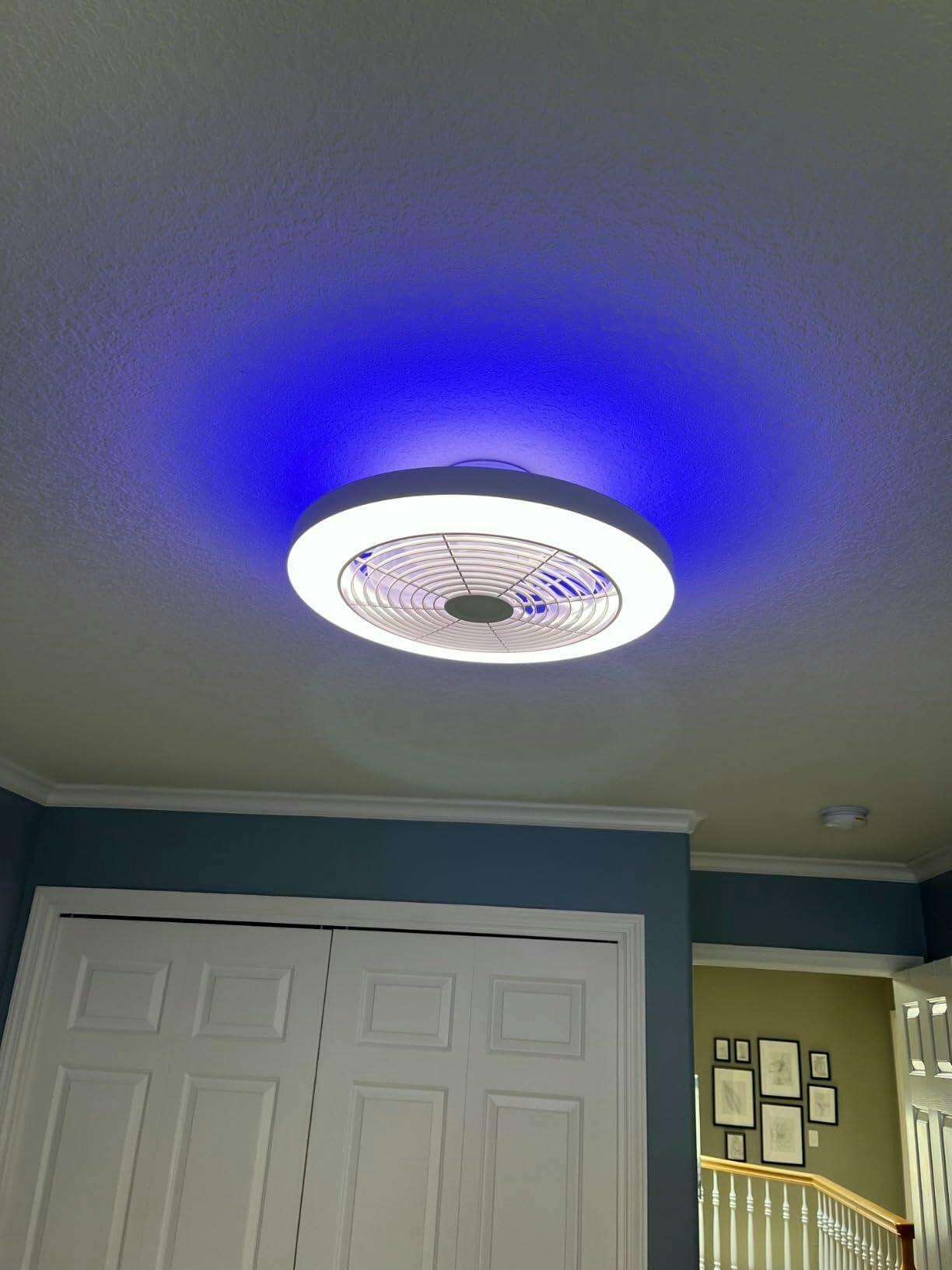
Not every bathroom needs the same solution. Options:- Basic inline or ceiling fans: Cheap and simple; ideal for rental or low‑use bathrooms. – Dedicated inline duct fans: Better for long duct runs and high static pressure, but usually no integrated light/speaker. – Low-profile or bladeless ceiling fans: If circulation and aesthetics are primary, consider a low profile bladeless ceiling fan — it moves air differently and can reduce perceived humidity without aggressive ducting. Pick based on room size, duct layout, and whether integrated tech is a genuine daily benefit or a feature that will rarely be used.
Common installation and usage mistakes
Installers and homeowners often stumble on three points: undersizing ducting, ignoring static pressure, and skipping proper sealing. Ducts less than specified reduce CFM and increase noise. High static pressure demands a stronger motor and proper airflow path; otherwise the unit strains and sounds worse. Finally, poor sealing invites moisture into the housing and electronics. Test with the actual duct run and measure flow where it exits the grille — don’t rely solely on manufacturer CFM ratings measured under lab conditions.
Short hands-on checklist before you buy
Quick guardrails to keep you sharp:- Verify CFM at your planned static pressure. – Confirm dB or sones at that flow rate. – Check motor type, IP rating for moisture, and warranty length. These three checks separate hype from reality. They’re simple and they work.
Advisory: three golden evaluation metrics
Choose any bathroom ventilation upgrade by these three rules:1) Performance-first: Confirm the CFM you need using ASHRAE 62.2 as a baseline, and validate it with your duct path. 2) Acoustic reality: Require measured dB/sones at rated flow; prefer <40 dB for daily comfort. 3) Durable integration: Look for brushless motors, moisture-rated electronics, and clear warranty terms — because features only add value if they last. Follow these and you’ll pick technology that performs over seasons, not just in specs.
Final thought
Comparatively, Orison builds toward low-noise, high-function units that blend ventilation with lighting and audio in an engineered package. That approach fits buyers who expect long-term performance and modern convenience. Trust the metrics, test the fit, and choose the system that meets both airflow and acoustic goals — then enjoy a quieter, drier bathroom. Orison. —

