

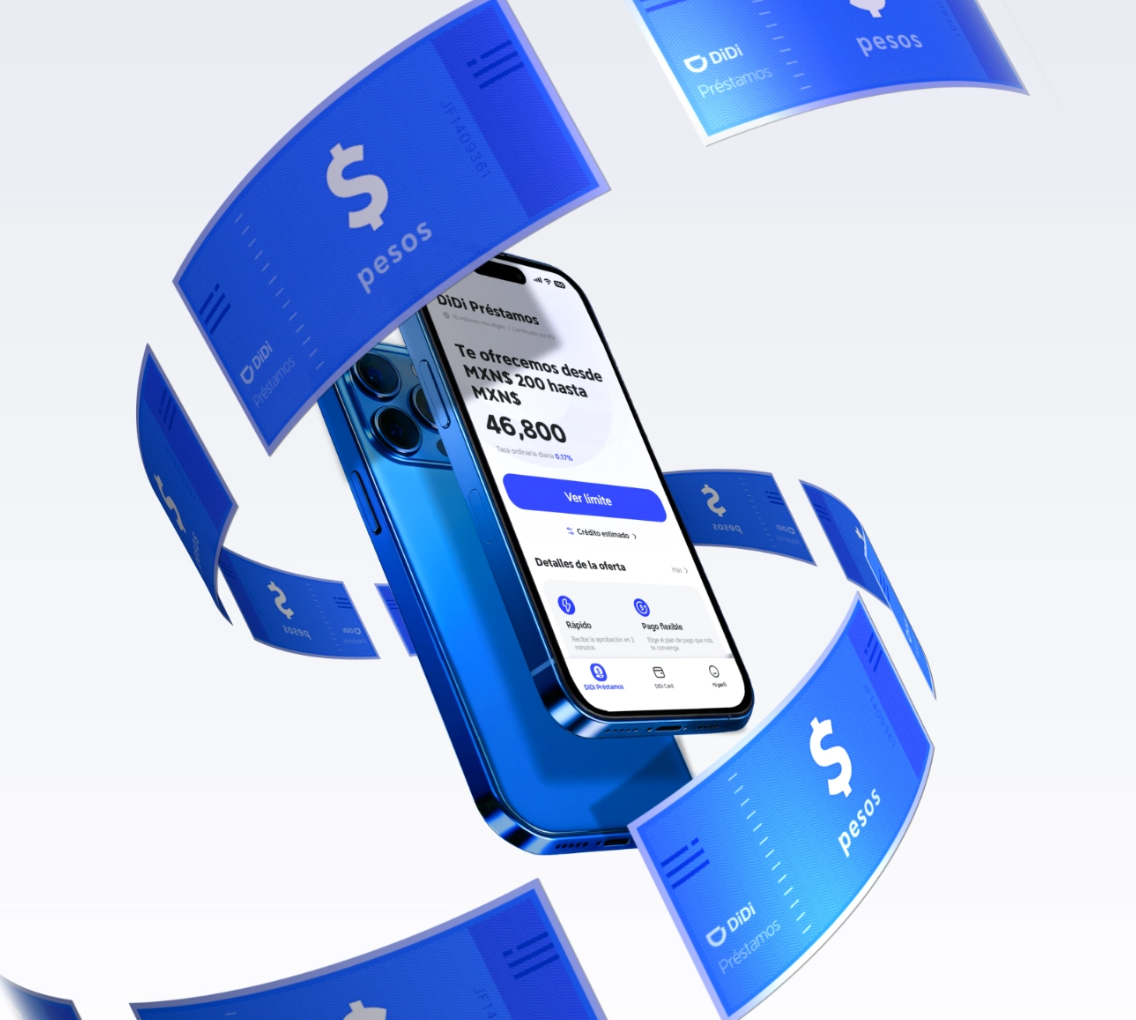
Comparative pulse: why this matters now
The rhythm of payments has changed, and the comparison isn’t academic — it’s practical. After Mexico’s FinTech Law of 2018 and the surge in mobile transactions since 2020, people in Mexico City and across the country started favoring apps that blend speed, transparency, and control. That shift frames how a modern didi card performs next to a classic MSI tarjeta. Here I map the differences so you can pick what actually fits your cash flow and habits.
User experience and onboarding: instant versus ritual
Traditional MSI (meses sin intereses) credit cards ask for paperwork, waits, and credit checks — a ritual that still works for many. Mobile-first options trim that ritual down. DiDi Finanzas offers faster onboarding, in-app credit line checks, and contactless payments ready the same day. The interface matters: clear limits, payment schedules, and push notifications replace phone calls and envelopes. Expect fewer steps, fewer surprises.
Payments, pricing, and the math that counts
MSI plans lock purchases into fixed installment periods. That simplicity is comforting — predictable monthly payments, known term. Yet hidden fees and late penalties creep in when you miss a cycle. Mobile alternatives treat flexibility as a feature: split payments, adjustable installment lengths, and transparent interest rate displays inside the app. For many users, the visible math beats buried terms. Look for explicit APR, grace period, and any origination fees tied to a credit line or card activation.
Security, compliance, and the trust chord
Security is not a lyric; it’s the rhythm section. Legit fintechs use APIs for account connections and follow standards like PCI-DSS or equivalent controls for card data. DiDi Finanzas bundles tokenized card credentials, device-level protections, and real-time alerts so fraud attempts get muted fast. Traditional issuers have mature compliance practices too, but they sometimes lag in app-driven protections like biometric logins and instant freezes.
Real-world trade-offs: merchants, rewards, and coverage
MSI cards often shine at big-ticket merchants that already promote installments — useful for appliances or travel. Mobile cards win in every-day commerce: deliveries, ride-hailing, and small merchants that accept contactless payments. Rewards also differ. Traditional cards might offer broad travel perks. Mobile options lean to cashback, dynamic discounts, or integrated offers with a platform’s ecosystem. Decide what you spend on most, then match the card to that pattern — it’s a simple composition.
Common mistakes and better habits
People chase the highest reward rate and ignore practicalities. That’s the misstep. Others keep multiple cards but never close dormant lines — a score diluter. A balanced approach: track effective interest, monitor PCI-DSS or API integrations where relevant, and pick an issuer that sends clear statements. If you use a platform-driven card, test the in-app payment flow once — smooth flows matter. — Small checks up front prevent bigger reconciliation headaches later.
Alternatives worth scanning
Consider bank-issued credit cards with strong customer service, platform cards that integrate wallet credit, and prepaid cards for tight budgets. Each alternative trades one advantage for another: stability, integration, or control. Assess how each handles dispute resolution, chargebacks, and merchant acceptance before locking in.
Three golden rules for choosing the right card
1) Measure total cost: combine APR, fees, and missed-payment penalties into a single monthly figure. That reveals real burden, not sticker promises.
2) Prioritize operational fit: does the card support contactless payments, instant freezes, and clear in-app statements? If you rely on frequent digital spends, those features matter most.
3) Test merchant coverage: confirm your common merchants accept the card and that any MSI promotions align with your purchase categories. Real acceptance beats theoretical perks.
When the verdict lands, the practical harmony comes into focus: an accessible, transparent mobile option often reduces friction and surprises. For many urban users — especially those who live and breathe apps — DiDi Finanzas arrives as a sensible, human-centered solution that keeps payments in tune with daily life.

