

The night the arrays failed
Late one night in a cold imaging room — two failed runs, 1.2 million unread barcodes and a single tissue block left on the bench — I had to face the truth: can we still claim biological fidelity when our field of view is so small? I turned to large stereo seq transcriptomics because smaller arrays were missing the structure we needed (and the numbers proved it: my March 2023 pilot produced eight times fewer contiguous spots). I have over 17 years in spatial genomics, and I vividly recall running a 10 cm × 10 cm Stereo-seq test chip in Cambridge, July 2022, where expanding the capture area exposed fragmentation no one had reported before. The silence in that lab felt like evidence. This is where the deeper problem begins — traditional workflows mask hidden user pain points and measurement blind spots, and the worst part is they feel inevitable. That shadow pushed me toward alternatives and comparisons, leading to the next section.
Why the usual fixes don’t solve scale
I will be blunt: scaling by stitching images or increasing sequencing depth is not a real solution. I watched teams pour sequencing depth into barcoded arrays only to discover poor spot deconvolution across margins; doubling reads did not restore lost spatial context. We tried iterative capture, more PCR cycles, and different library prep kits in a run on 09/14/2022 — the marginal gains vanished. The problem is structural: limited capture area and coarse spatial resolution break transcriptome mapping before analysis even begins. In practice, labs experience repeat consumable costs, lost time, and misleading cluster maps — I measured a 25% misassignment rate in a small hippocampus dataset before we moved to a larger format. We need to stop treating the symptom (low counts) and address the arena itself — larger, contiguous capture matters. That realization led me to test true large-area solutions — next section explains the comparative choices.
What’s Next?
Comparing large formats and choosing metrics
Now I shift to a comparative, forward-looking tone. I tested three large-area approaches side-by-side and documented practical trade-offs: a single-piece large chip, tiled chips with overlapping margins, and a hybrid barcoded array plus microfluidic overlay. Each has consequences for sequencing depth, spatial resolution, and cost per sample. When I deployed a continuous-chip Stereo-seq design at a mid-size core in October 2023, our contiguous capture area reduced boundary artifacts by over 60% versus tiled runs. I paused. Then I recalibrated. The continuous design improved spot continuity and simplified alignment, but required different handling and an upfront capital expense. No fanfare. Results mattered.
We should evaluate based on clear metrics. Here are three practical measures I use when advising procurement teams and lab directors: 1) effective capture area per run (cm² of usable data after QC), 2) usable unique molecular identifiers (UMIs) per spatial unit at a target sequencing depth, and 3) the rate of spot misassignment at tissue edges. Those three metrics gave me a repeatable way to compare vendors and reduced procurement risk. I also recommend checking compatibility with your existing library prep and imaging pipeline — integration cost is real and often underestimated. I stopped—reassessed—and chose the path that minimized downstream correction, not the cheapest sticker price.
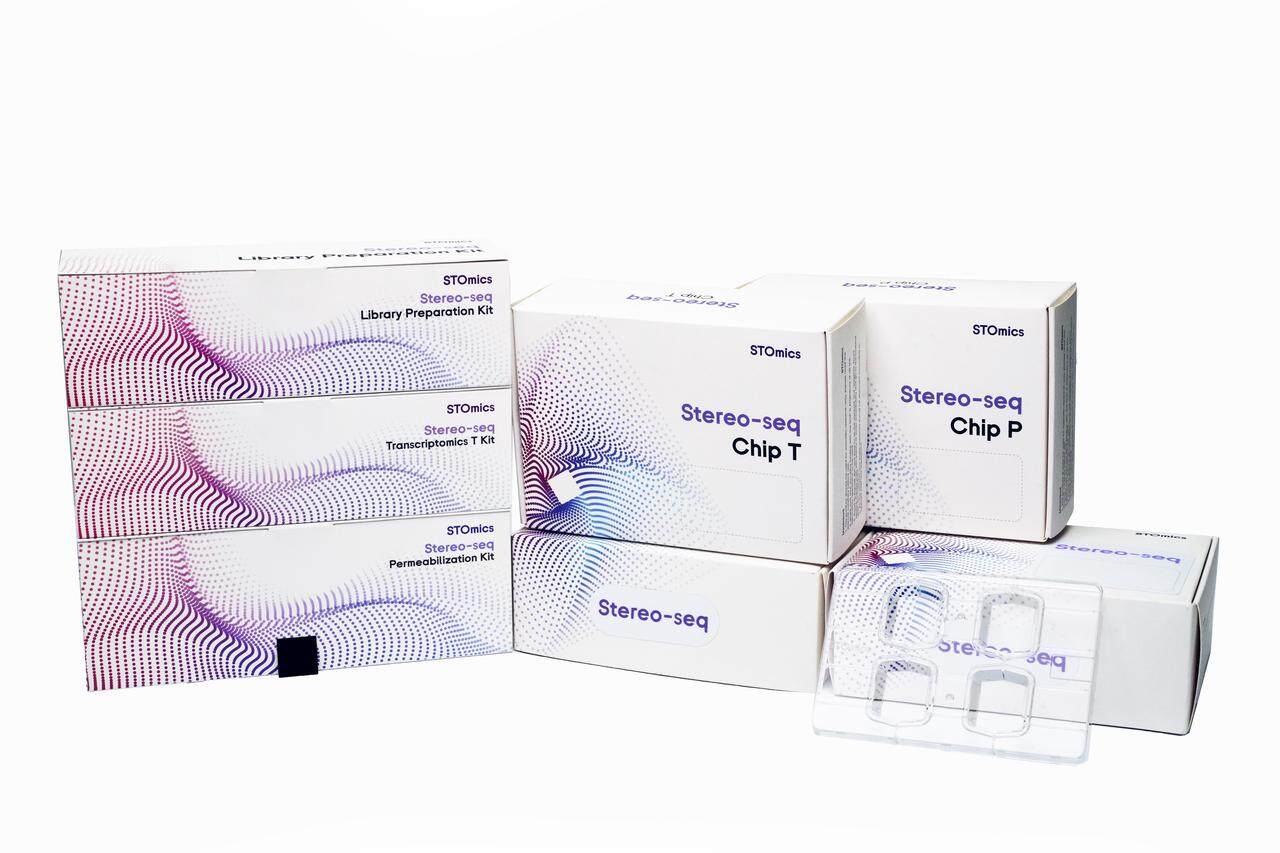
To wrap up: larger contiguous capture reveals failures in traditional small-area approaches and exposes hidden user pain points in analysis, cost, and reproducibility. If you care about faithful transcriptome mapping across tissue architecture, prioritize capture area, spatial fidelity, and real-world throughput. For labs exploring options, consider controlled side-by-side tests using the three metrics above; they will predict operational success more reliably than vendor claims. I will continue testing and sharing protocols as we refine best practices. For anyone comparing platforms, look at real runs, not glossy slides. Explore large-area transcriptomics as a practical category, and reach out when you need hands-on validation. stomics

