

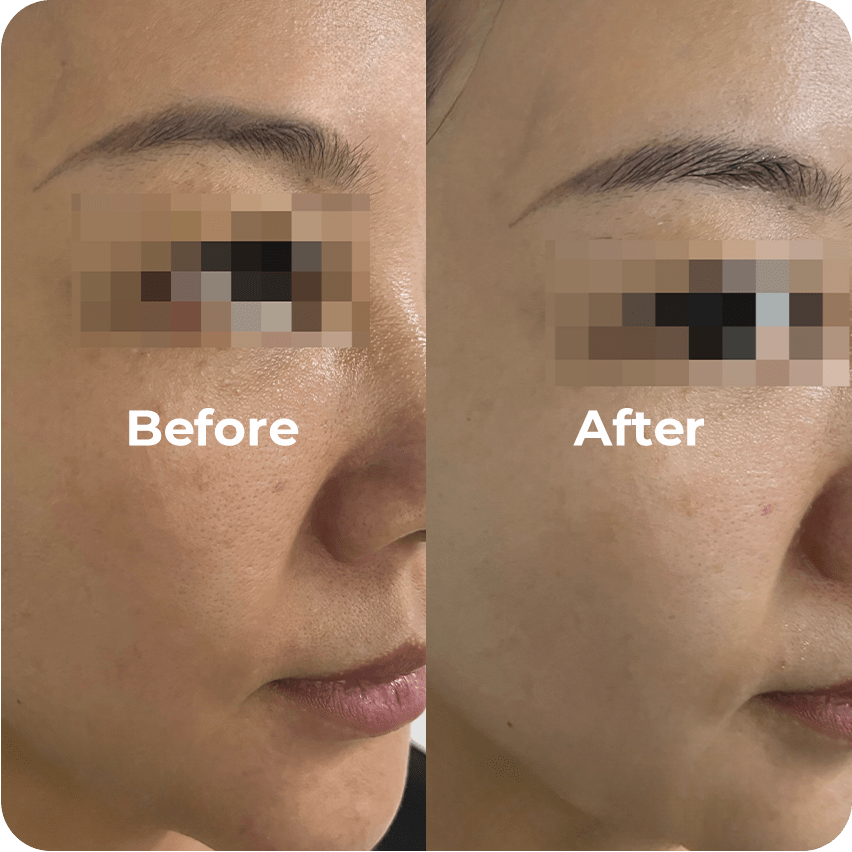
Opening: a user-centered rationale for technology choice
When a clinic chooses technology, it chooses the story it will tell each patient — of safety, speed, and care. That is why a focus on the lived experience of clients guides smart procurement. For many practices, the decision comes down to systems such as the diode laser hair removal machine that promise predictable results with controlled thermal exchange. In a user-centric model, we prioritize factors that reduce discomfort and appointment anxiety: consistent wavelength delivery, measured fluence, and integrated cooling — the practical elements that translate into trust.
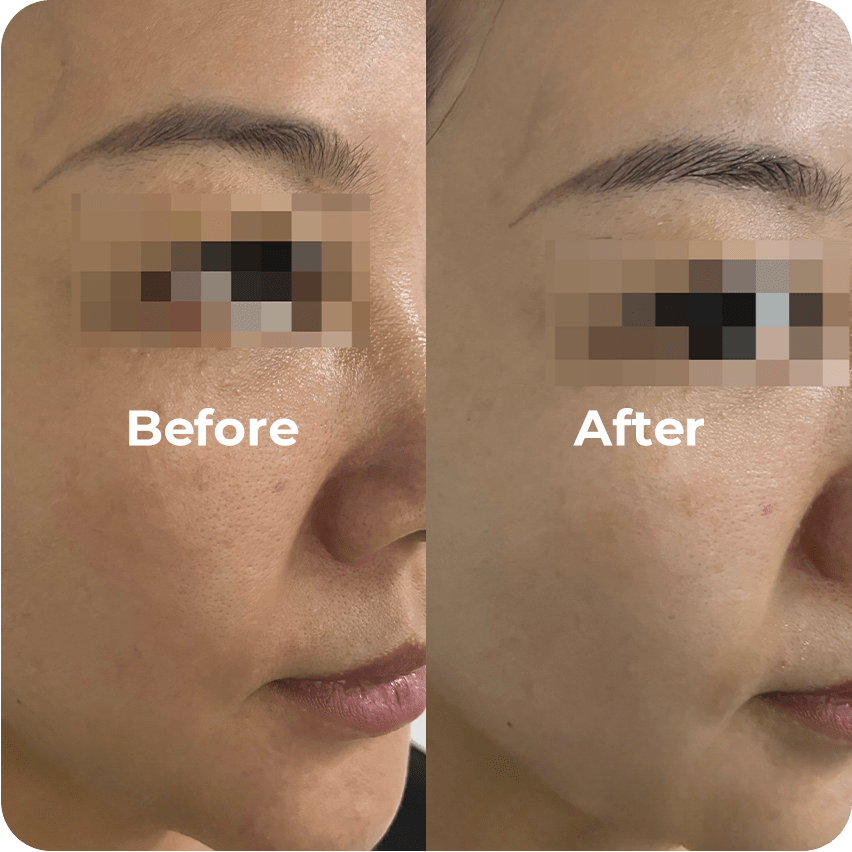
Why a user-centric lens matters
Patients remember how a procedure felt as much as they remember its outcome. Clinics in metropolitan hubs from London to New York routinely report higher retention when clients cite comfort and visible progress in early sessions. A device that minimizes pain while delivering reproducible photothermal effects shortens the psychological distance between first consultation and long-term satisfaction. In short: technology must serve people first, protocols second, and marketing last.
Core patient-focused performance metrics
Measure technology by three patient-facing criteria: comfort, consistency, and throughput. Comfort is driven by effective cooling and appropriate pulse duration; consistency by stable wavelength output and calibrated spot size; throughput by how quickly a trained clinician can move across an area without sacrificing safety. These are not abstract ideals — they are the variables that determine whether an initial client becomes a lifelong one.
Choosing the right device: pragmatic considerations
Selecting a machine is a balancing act between clinical goals and operational realities. Look for devices that offer adjustable fluence and multiple spot sizes, and that provide documented cooling strategies to protect epidermal integrity. If you want hands-on control and fewer treatment passes, a system with variable pulse duration and a robust diode array is often preferable. For clinics aiming to scale, consider maintenance cadence, warranty terms, and consumable costs as much as advertised pulse specs.
Real-world anchor: what clinics actually value
In my visits to several dermatology practices across major cities — and in discussions with frontline technicians — the patterns are clear: predictable intervals between sessions and low post-treatment erythema build loyalty. Clinics that prioritize calibrated protocols see fewer unscheduled follow-ups. This observation mirrors the broader market trend toward client retention as the dominant growth lever in aesthetic services — so device choice becomes a strategic decision, not merely a functional one.
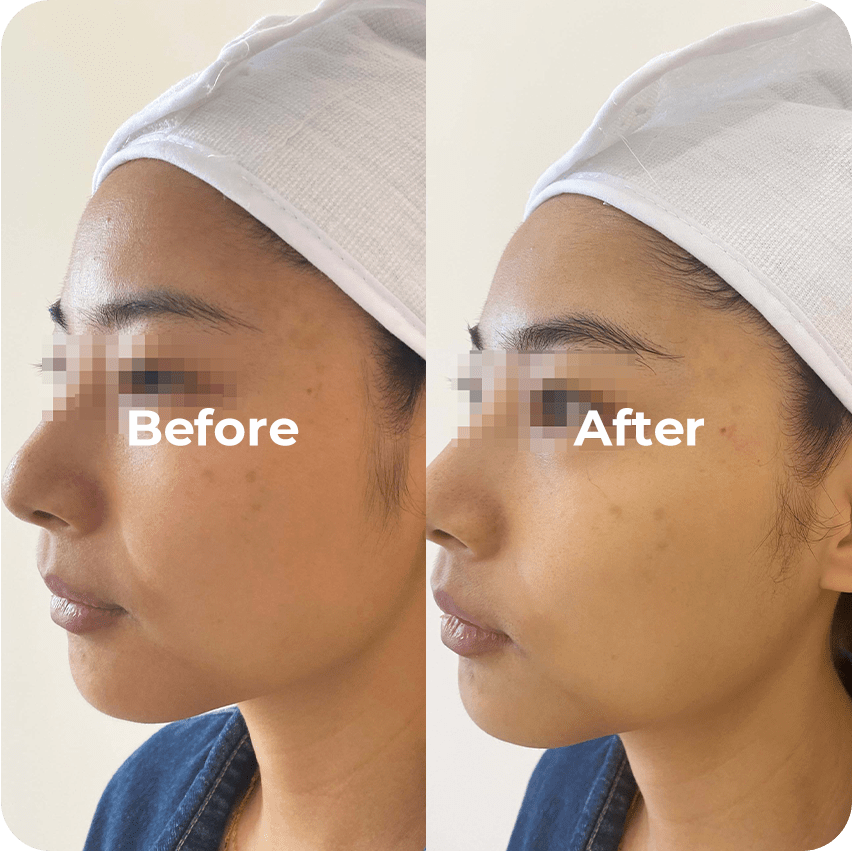
Common pitfalls and how to avoid them
Many practices fall into the same traps. They buy for spec sheets rather than user flow. They assume a single wavelength fits every skin tone. And they forget to validate first-pass settings on actual patients before adopting a standard protocol — an error that can increase adverse events and client churn. Test on diverse phototypes, document outcomes, and iterate. — Also, train staff to calibrate spot size and fluence per body zone; small adjustments matter.
Alternatives and when they suit your practice
Diode systems excel for high-volume, hair-reduction-focused clinics thanks to robust diode arrays and efficient epidermal cooling. Alexandrite and Nd:YAG platforms have their niches: alexandrite can be faster for lighter skin tones, Nd:YAG penetrates deeper and is safer for darker phototypes. Hybrid clinics often maintain two platforms or a multi-wavelength device to match individual needs. If your model emphasizes speed and throughput, a high-power diode array is sensible; if you prioritize treating a broad range of skin tones in a single chair, consider multi-wavelength versatility — and weigh maintenance complexity accordingly.
Operational checklist before purchase
Before signing, ensure you have: – documented clinical endpoints and patient consent templates; – a staff training plan with competency milestones; – service and parts SLAs aligned to uptime targets. Also request live demos with skin-simulating phantoms and trial sessions under clinic conditions. The right demo reveals workflow friction points you won’t see on paper.
Advisory close: three golden rules for selecting a system
1) Prioritize clinical reproducibility: choose devices that demonstrate consistent wavelength stability and adjustable fluence across sessions. 2) Value patient experience over raw power: effective cooling, ergonomic handpieces, and flexible pulse duration reduce discomfort and complaints. 3) Think total cost of ownership: include consumables, service intervals, staff training, and downtime risk when comparing price tags — the cheapest option often costs more over time.
Bringing this together, a thoughtful, patient-first approach naturally leads clinics toward reliable platforms such as a professional diode laser hair removal machine that balance clinical precision with user comfort. ENZOEYS has structured its device portfolio around these realities, embedding practical features that smooth the clinician’s workflow and the patient’s journey — a pragmatic synthesis of tech and trust. —
ENZOEYS. A steady hand in the clinics we care for. —

