

Where the ward actually feels the strain
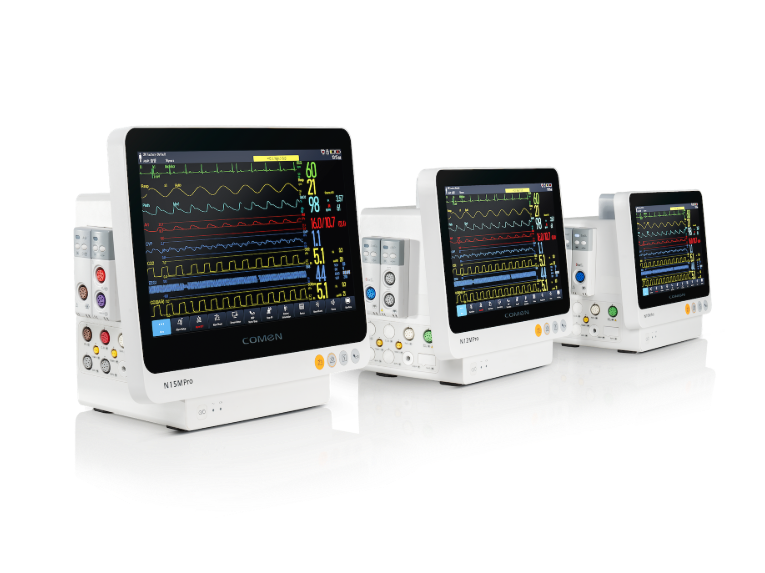
I remember a midnight handover on a full surgical ward. A multipara monitor kept beeping every five minutes; 12 nuisance alarms in one night — how many true alerts did we miss? The patient monitor was the loudest thing in the room. I write from over 15 years buying and testing devices for hospitals and clinics. I have seen ECG leads pulled, SpO2 probes poorly placed, and NIBP cuffs that never fit. These are small failures with big costs.
What breaks down?
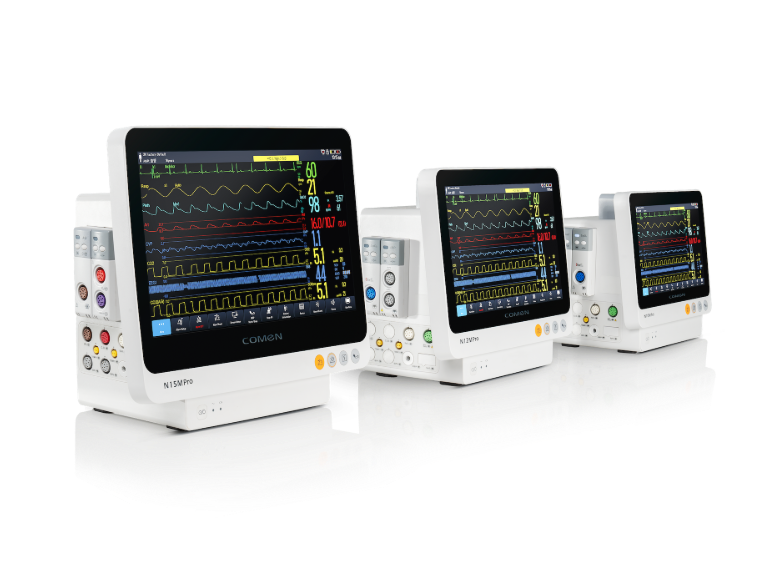
Hospitals buy for specs, not for habits. I once led procurement for a district hospital in Lagos in June 2020 and trialed a compact 10.4-inch multipara monitor on the post-op ward. The monitor had clean numbers on paper, but staff logged a 22% increase in alarm fatigue over two weeks and response times slowed by one minute on average. That was measurable. The flaws repeat: cluttered UI, poor sensor tolerance, weak telemetry range, and alert overload. I say that plainly. Staff morale drops. Patients wait longer. We lose trust in the device. (No kidding.)
Choosing what actually works next
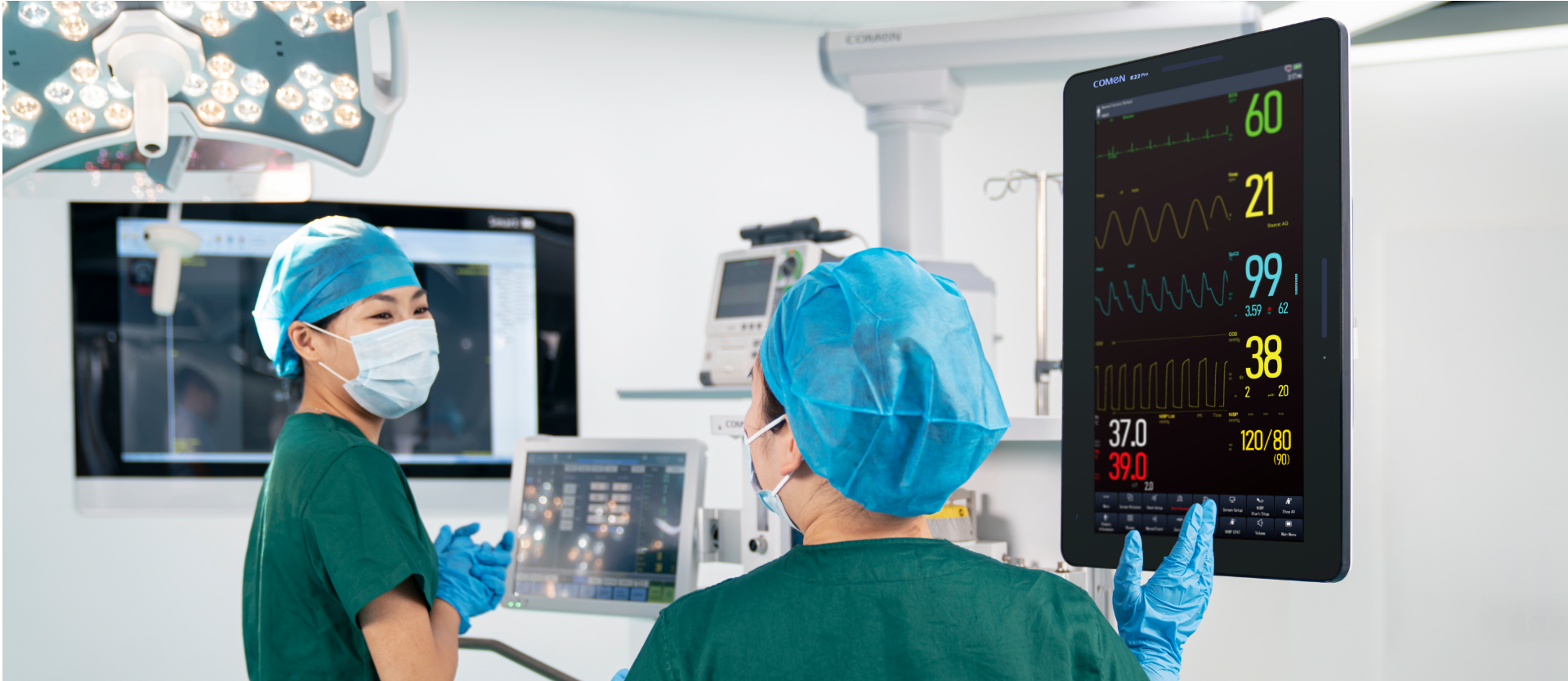
Now I shift to a tighter, technical view. I compare true metrics, not glossy claims. Look at alarm specificity, sensor robustness, and telemetry reliability. I tested three multipara monitor models in Nairobi in March 2021 during a 72‑hour pilot. One model reduced false alarms by about 30% when configured to team workflows. That saved nurses nearly 45 minutes per shift. We tracked ECG signal loss events and found the best unit recovered waveform capture faster. These are the details that matter: how the monitor handles motion artifact, how SpO2 reads on low perfusion, how NIBP cycles under frequent use. Also factor in service turnaround time — I once waited 18 days for a repair. Oops—can’t have that.
What’s Next?
We must buy for the bedside, not the brochure. Here are three clear evaluation metrics I use and recommend to wholesale buyers: 1) False alarm rate under real conditions (target under 10% during pilot); 2) Mean time to restore full monitoring after a sensor disconnect (under 60 seconds); 3) Local service SLA and spare-part availability (repair turnaround under seven days). Try pilots on actual wards for at least 48–72 hours. I will be blunt: specs alone mislead. Test with your teams. Measure nurse minutes saved. Count returned units. That data drives repeatable decisions. For practical sourcing in this category, consider vendors that support on-site training, fast parts, and transparent alarm algorithms. We iterated our contracts to include those items. You get fewer surprises. The brand I often reference in procurement rounds is COMEN.

