

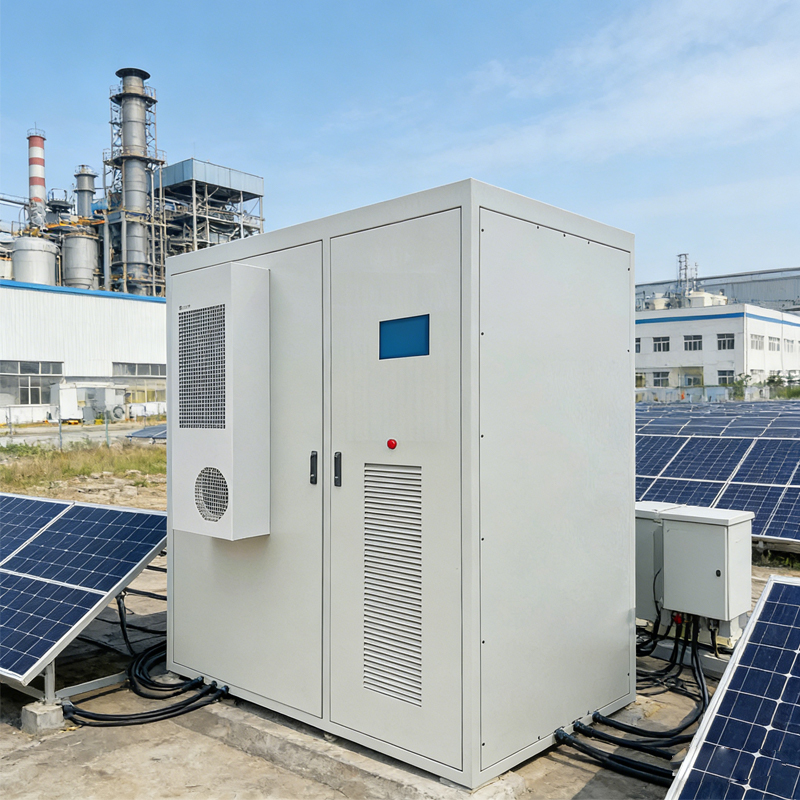
The immediate problem: thermal extremes undermine backup reliability
Wholesale whole‑house systems deployed across broad climates face a common operational gap: standard battery management systems (BMS) are rarely optimized for both extreme arid heat and sub‑zero cold. Systems that look identical on paper can behave very differently in the Sonoran Desert versus interior Alaska. Solar arrays tied to solar battery storage suffer reduced cycle life, altered charging behavior, and safety margins when a BMS ignores temperature-dependent variables such as state of charge (SoC) windows and thermal management protocols.
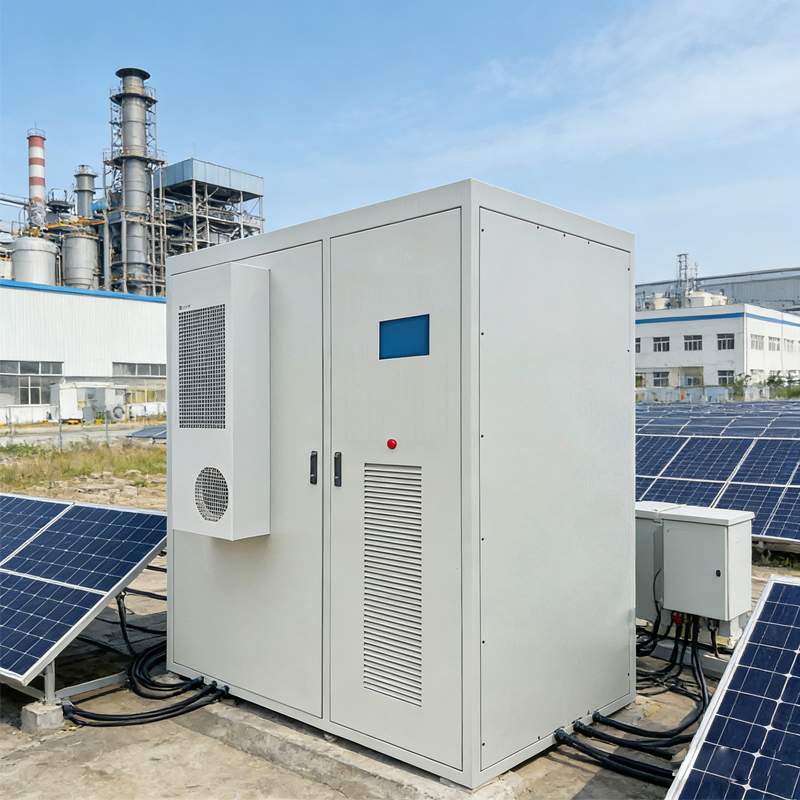
Known failure modes and why they matter
High ambient temperatures accelerate calendar and cycle degradation in LiFePO4 cells, while deep cold raises internal resistance and can prevent safe charging. The 2021 Texas winter storm highlighted how inadequate temperature-aware controls can leave whole houses without backup when they need it most. Key technical terms to track include BMS, depth of discharge (DoD), and cell balancing; each directly affects usable capacity and safety at temperature extremes.
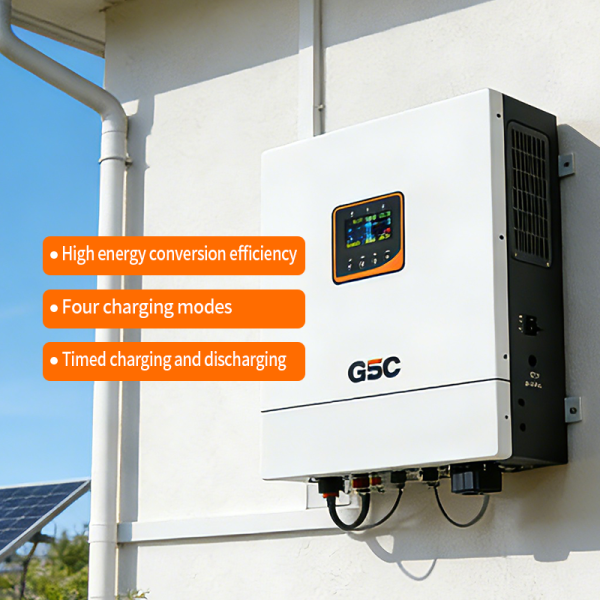
Design priorities for robust BMS configurations
A problem-driven approach directs immediate action toward three priorities: temperature-adaptive charge profiles, active thermal management, and intelligent SoC limits. Configure charging voltage and current with temperature compensation to prevent lithium plating in cold conditions and over‑stress in heat. Implement cell balancing schedules that reflect both SoC and temperature to avoid permanent imbalance. Integrate the BMS with inverter and charge controller telemetry so the system can modulate PV input during acute temperature events.
Practical thermal strategies—what works in the field
Field-proven tactics combine passive and active measures. Passive insulation and reflective barriers reduce peak cell temperatures in deserts. Controlled enclosure heating keeps SoC and impedance within safe ranges during sub‑freezing spells. Use phase-change materials or small, efficient HVAC loops where volume and weight permit. These measures require firmware that recognizes thermal hysteresis and adapts setpoints—simple on paper, but frequently overlooked in wholesale rollouts.
Why chemistry choice matters: LiFePO4 advantages and limits
LiFePO4 cells offer safety and cycle life advantages that suit whole‑house deployments, especially when paired with a BMS that enforces conservative DoD and SoC windows. Still, LiFePO4 performance falls at low temperatures — charging restrictions are mandatory below specified thresholds. Selecting a lifepo4 solar battery should be paired with a BMS that reports cell‑level temperatures and supports temperature‑compensated charge algorithms.
Common mistakes seen in wholesale implementations
Teams often default to a one‑size‑fits‑all BMS configuration. They leave factory thresholds untouched, omit temperature sensors at the cell level, or fail to coordinate firmware updates across inverter and battery subsystems. The result is unnecessary warranty claims and field failures—avoidable with modest design discipline. —Implementing redundant sensors and routine firmware validation cuts that risk dramatically.
Checklist for procurement and commissioning
Adopt a checklist that ties procurement to field performance metrics: specify cell‑level temperature monitoring, require temperature‑compensated charge tables, mandate thermal management integration, and verify CAN/Modbus telemetry compatibility. During commissioning, validate SoC behavior at both extremes and run a thermal soak test to confirm expected thermal gradients and control responses.
Advisory: three golden rules for choosing BMS and system strategies
1) Prioritize temperature‑aware control logic: ensure the BMS supports dynamic charge/discharge limits and cell‑level temperature inputs. 2) Demand integrated thermal strategy: combine insulation, active heating/cooling, and enclosure design as a single subsystem rather than ad hoc fixes. 3) Validate in situ: require a field acceptance test that reproduces anticipated hot and cold extremes to confirm SoC behavior, cell balancing, and communications under stress.
These rules convert problem awareness into measurable outcomes: longer cycle life, predictable available capacity, and fewer emergency service calls. The technical value becomes operational reliability—exactly what organizations procuring wholesale, whole‑house backup need. gsopower. —Reliable configuration, proven in the field.

