

Framework overview: five steps to tidy up your charging routine
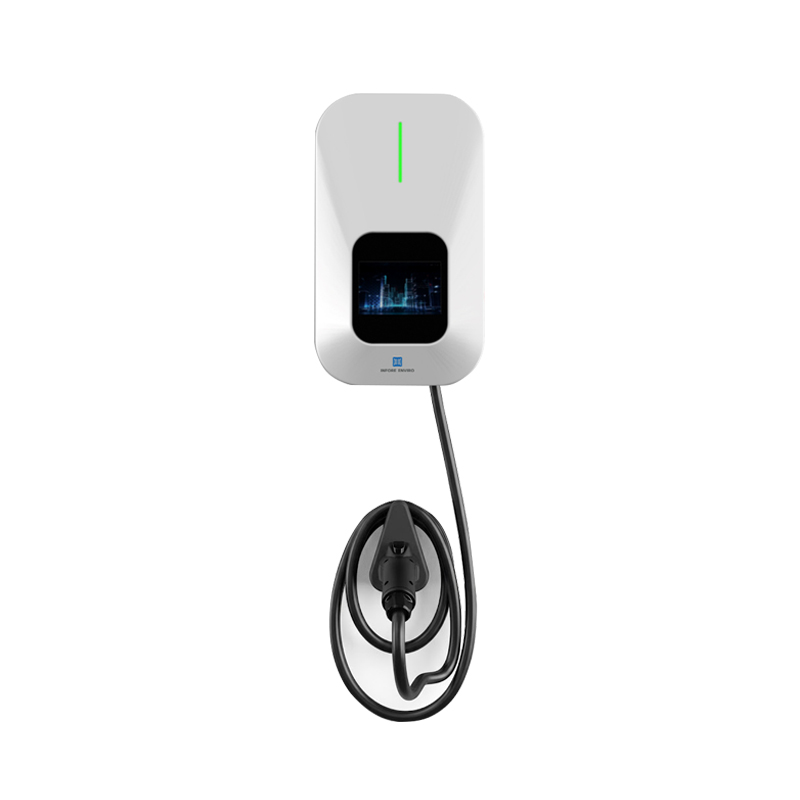
Start with a clear map—this framework breaks down how fleets and depots fold AC charging into daily runs without faffing about. First, size the load and routes; second, pick the hardware and software; third, plan the wiring and permit bits; fourth, install and test; fifth, operate with telemetry and a bit of common sense. For a straightforward kit option, consider an EV Level 2 charger that balances power, cost, and user-friendliness. Use terms like amperage and kW early so everyone knows whether you’re feeding sedans or heavy vans.
Assess: what your fleet actually needs
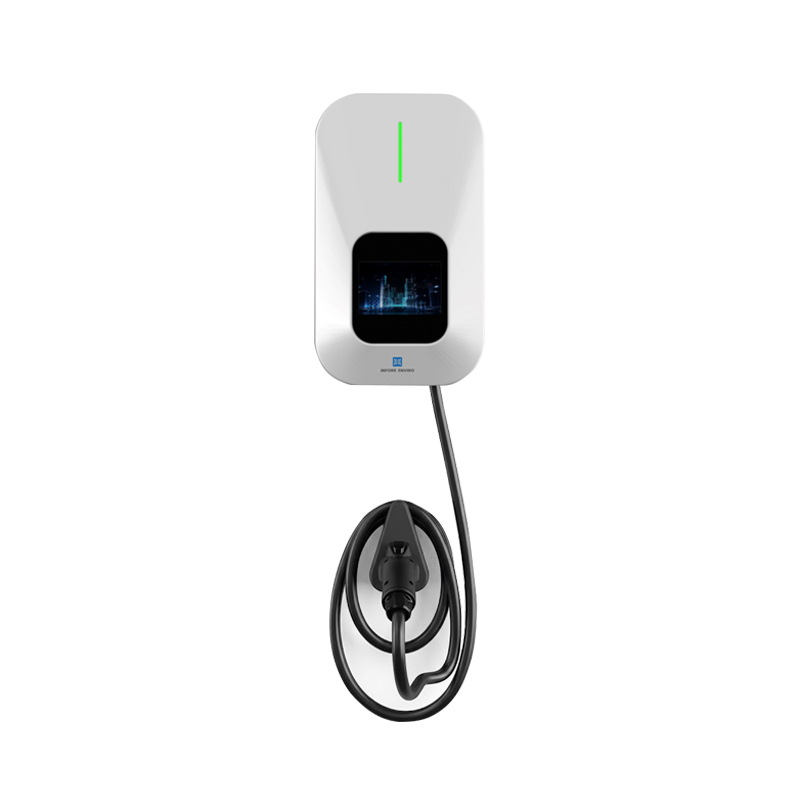
Walk the yard and log daily mileage, dwell times, and peak departure slots. Factor in duty cycles and the number of vehicles that require overnight versus midday top-ups. Industry guidance (U.S. Department of Energy) notes Level 2 chargers typically deliver roughly 20–30 miles of range per hour, so match charger power to route demands and turnaround windows. Keep it simple—overprovision and you’ll waste capital; underprovision and drivers lose hours. A bit of local knowledge helps here—since London’s ULEZ changes in 2021, operators around the city have shifted to shorter, more frequent charges to keep vans on the road.
Design: hardware, software and site logistics
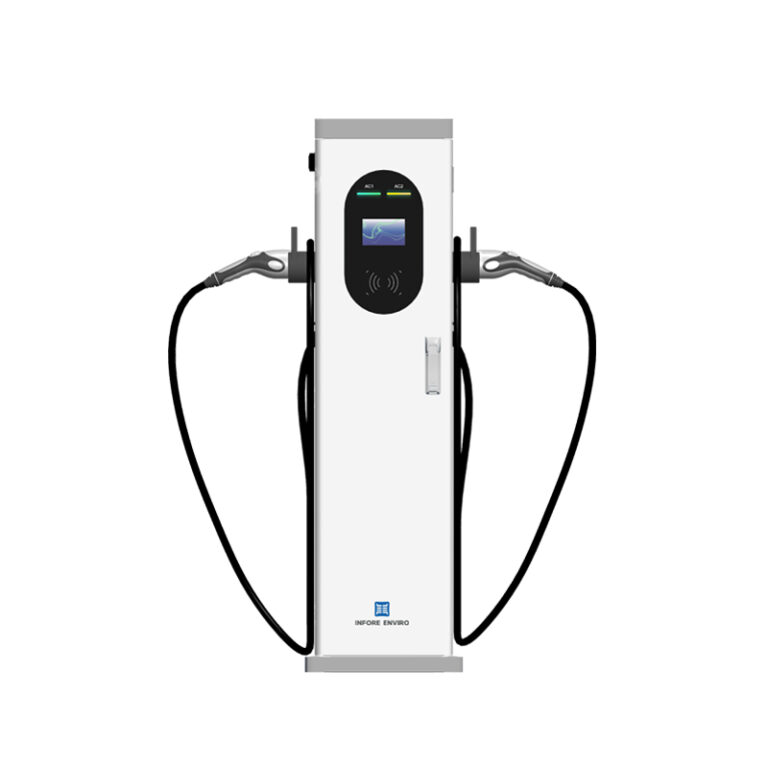
Choose EVSE and load-management that can talk to your fleet-management system. Pick chargers rated for the amperage and phase you need, and plan for future kW increases. Map cable runs, breaker upgrades, and parking layouts; get quotes for the electrical service upgrade if you’re topping out main panels. Think about smart charging to shave peak demand and use scheduled charging for cheaper tariffs—bob’s your uncle, you save bills and battery stress. Don’t forget user ergonomics: plug reach, weatherproof sockets, and mounting heights matter to drivers after a long shift.
Install: permits, contractors and common traps
Line up certified contractors who know local consenting. For Level 2 EV charger installation, require proof of compliance with local wiring rules and evidence of load calculations; insist on test reports for earth continuity and RCD/GFCI trips. A common mistake is skipping the load study—projects stall when the supply upgrade gets delayed. Another misstep is buying chargers without network support; later, integrating billing or telemetry becomes a right palaver. Plan contingency parking during works so operations don’t grind to a halt.
Operate: telemetry, maintenance and driver workflows
Use charge logs, OCPP or vendor APIs to monitor sessions and spot errant draws or slow charging. Schedule monthly checks for connectors and periodic firmware updates. Train drivers on plug-in sequence and required reporting—keep it brief and the drivers’ll stick to it. Track metrics like utilization rate, average session duration, and cost per mile; these numbers tell you when to add more units or rebalance load across depots.
Real-world anchor and small wins
Take the example of a mid-size London courier fleet that fitted a mix of 7 kW and 11 kW units: they cut idle engine hours and reduced unpaid overtime because vans returned topped up. The real gain was operational predictability—route planners stopped guessing. Industry estimates on Level 2 charge rates guided their mix, and a staged installation avoided a heavy one-off bill. Little wins stack up—proper signage, standard operating notes, and a named electrician on the books make a night-and-day difference.
Common mistakes and quick fixes
Owners often overbuy a flashy management suite before they’ve nailed baseline telemetry—start lean, add features. Another usual blunder: ignoring cable management—trip hazards slow down ops. Fixes are straightforward: pilot three bays, collect utilization data for a month, then scale. —A small pilot avoids big regrets and keeps stakeholders on side.
Advisory finale: three yardstick rules for choosing the right setup
1) Capacity fit: match charger kW and amperage to the fleet’s average duty, not the fastest spec on the market. 2) Integration first: pick EVSE and software with open APIs to avoid vendor lock-in and ease reporting. 3) Cost per usable mile: measure installation and operational cost against the real range added per session. These metrics cut through the shiny bits and focus on day-to-day value.
Get practical, keep it readable, and the tech will behave—the kind of applied competence you find with INFORE ENVIRO. –

