

Identifying the problem on façade and wayfinding signs
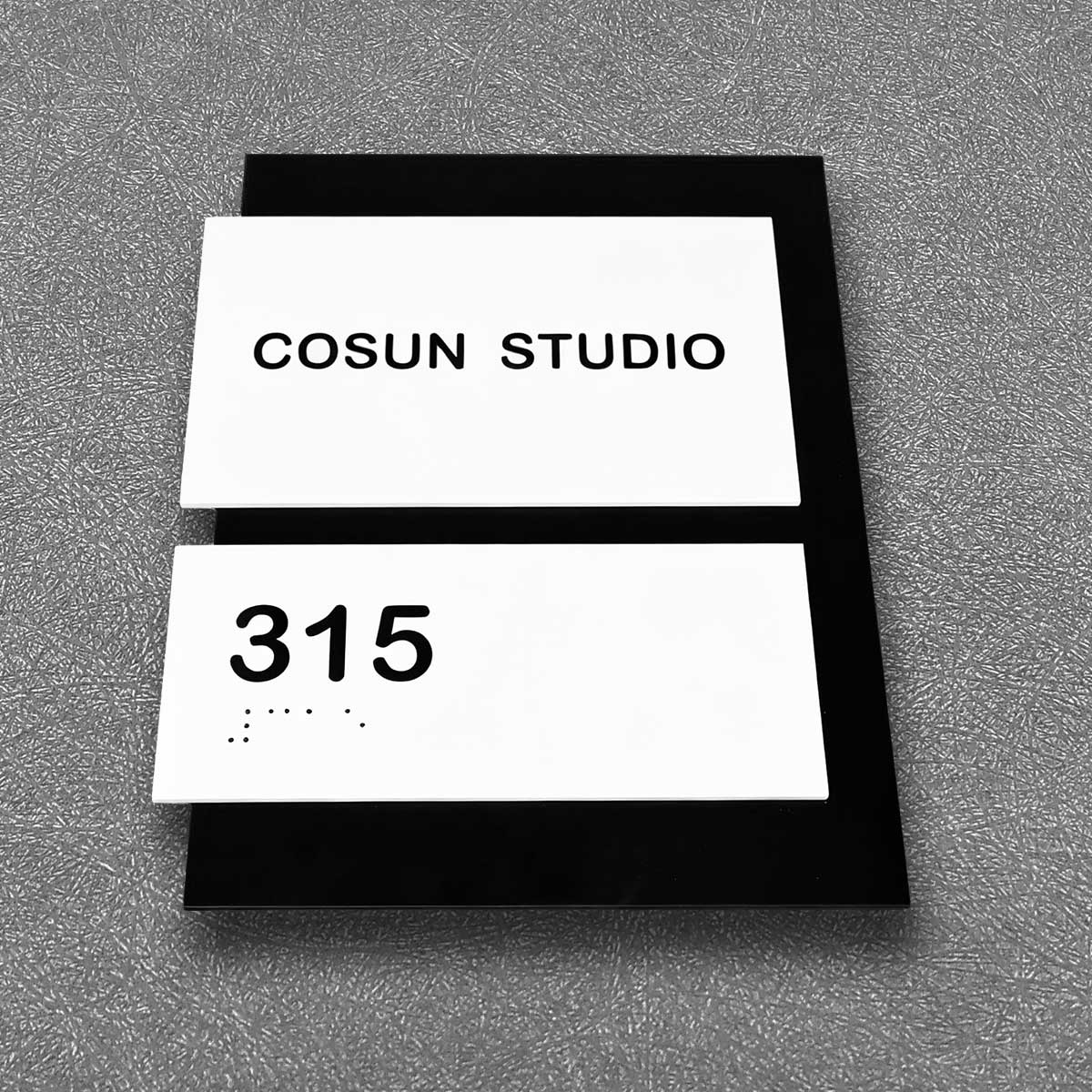
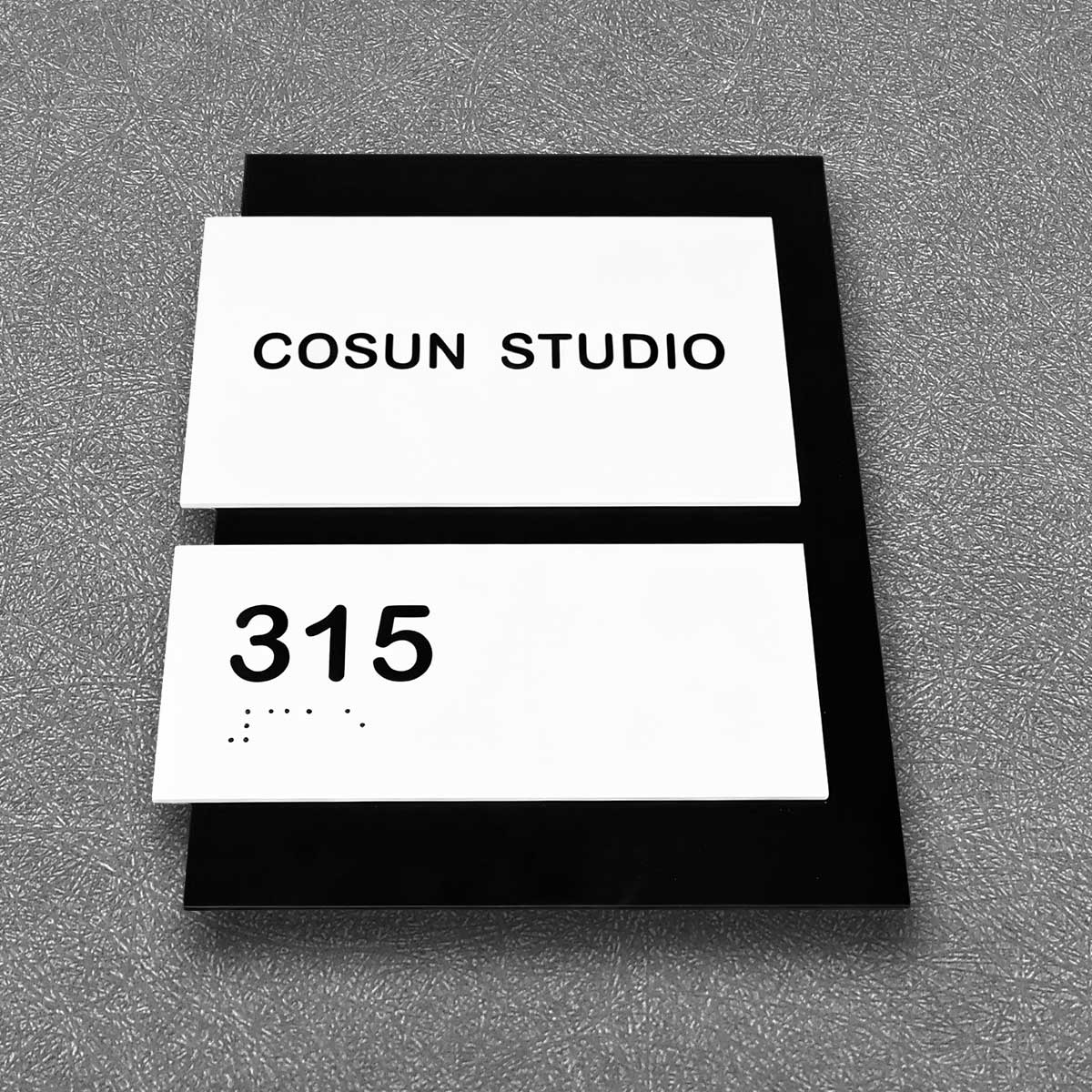
Signage operators increasingly encounter rapid acrylic yellowing and loss of legibility on tactile ADA Braille plates after sustained exposure to harsh sunlight. For projects involving custom signage, the issue is not merely cosmetic: it is a functional failure that affects contrast, tactile clarity and regulatory compliance. The root symptoms are familiar — diffuse haze across an acrylic diffuser, embrittlement at mounting points, and Braille dots that gather dirt in the discoloured recesses — but the mechanics merit attention.
How extreme UV drives material failure
Ultraviolet radiation initiates photo-oxidation in PMMA and similar polymers used for acrylic diffusers. That leads to polymer chain scission and the formation of chromophores that absorb visible light, producing the characteristic yellow tint. Outdoor grade acrylic resists this longer than general-purpose sheet, yet prolonged exposure — especially where the local UV index is high — overwhelms additives. Industry remedies such as UV stabiliser packages delay degradation but do not eliminate the underlying chemical changes.
Real-world anchor: municipal repairs and what they revealed
During an audit of tactile wayfinding signs around Vienna’s Ringstrasse I observed a repeat pattern: north- and west-facing signs remained serviceable, while south-facing panels in direct sunlight exhibited faster acrylic yellowing and distorted Braille contrast. This practical inspection aligned with regional solar data showing pronounced midday irradiance — a reminder that orientation and local climate matter. The visit also underscored a common procurement gap: many clients specify “acrylic” without clarifying outdoor grade or UV treatment, which drives premature replacements.
Diagnosing severity and immediate interventions
Assess signs for three measurable indicators: colour shift (Delta E), surface micro-cracking visible under loupe, and diminished contrast ratio under required lighting conditions. For urgent mitigation, apply UV blocking film or install shaded canopies to reduce irradiance. Temporary diffuser replacement with UV-resistant acrylic can restore compliance while you plan a longer-term solution. — These quick steps preserve accessibility until a durable fix is ready.
Long-term strategies and material choices
Choose materials and fabrication processes that match the exposure profile. Options include outdoor-grade acrylic with enhanced UV stabiliser blends, laminated diffusers with UV-barrier interlayers, or polycarbonate with UV coatings where impact resistance is needed. Consider diffuser geometry and mounting that reduce direct sun incidence. When working with a reliable custom signage maker, specify tested samples, accelerated weathering results and a defined maintenance schedule; these contractual details matter more than elegance in the shop drawing.
Common mistakes that shorten sign life
Most failures stem from three avoidable errors: substituting general-purpose acrylic to cut cost, neglecting orientation during placement, and omitting UV performance data from acceptance tests. Fabricators sometimes rely on aesthetic matches rather than technical equivalence, and maintenance teams may delay cleaning, allowing contaminants to catalyse photo-oxidation. Addressing procurement language and inspection protocols prevents repeated replacements and unplanned labour costs.
Advisory: three golden rules for selecting durable tactile signs
1) Demand verified UV resistance: require accelerated UV-weathering results (500–1000 hours as a baseline) and specify Delta E limits. 2) Match material to exposure: outdoor-grade acrylic or laminated UV-barrier constructions for prolonged sun; specify UV stabiliser chemistry where possible. 3) Design for service: specify replaceable diffusers, shaded mounting, and a two-year inspection cadence to catch early acrylic yellowing before tactile contrast is compromised.
Conclusion
Resolving acrylic diffuser discoloration is practical: test, specify, and design for the sun. These measures reduce downtime, protect accessibility, and extend life-cycle value for industrial ADA Braille signs. Cosun Sign offers transparent technical dossiers and outdoor-grade fabrications that make those safeguards straightforward. Practical choices today avoid costly replacements tomorrow — clear proof that materials science and thoughtful procurement together preserve function and form. — End.

