

Introduction — why data matters for façade lighting
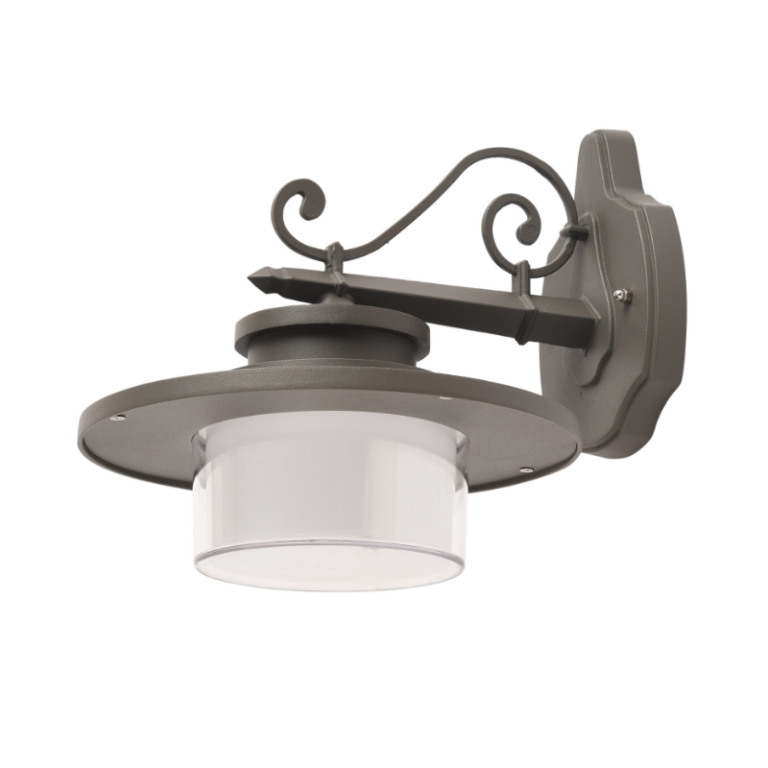
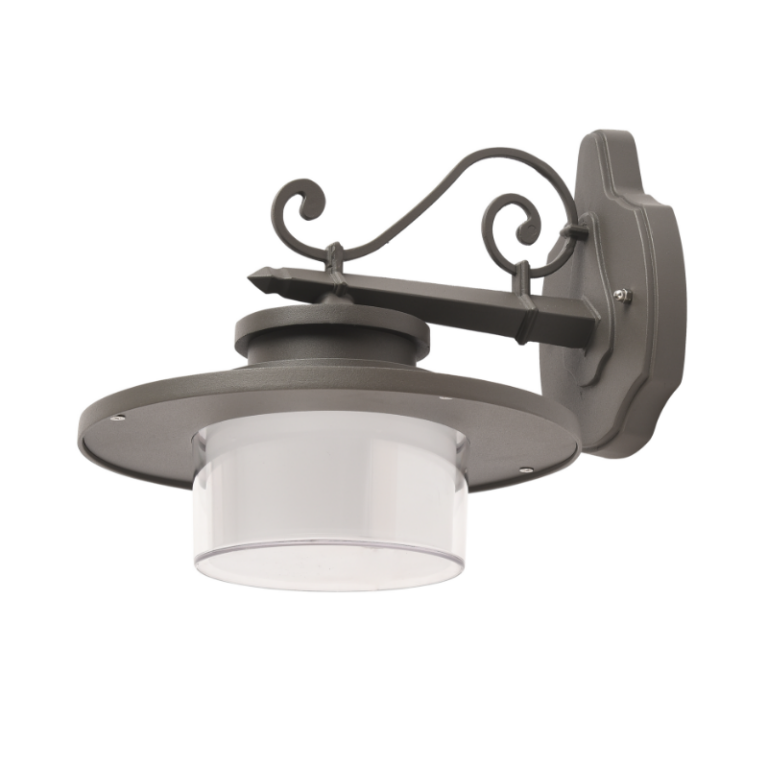
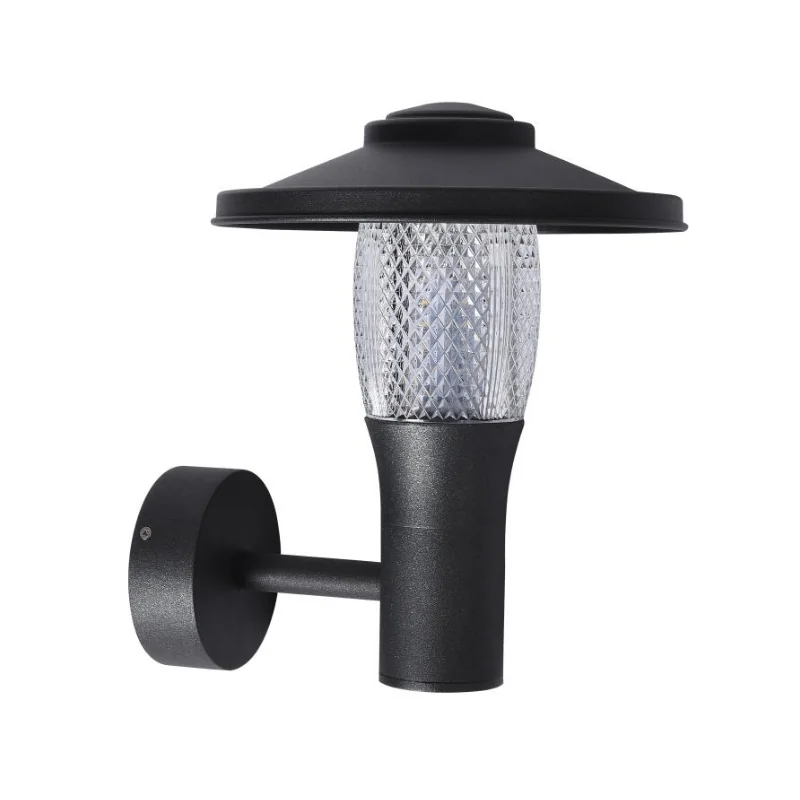
Measured color fidelity in the laboratory does not always translate to perceived colour quality on building facades. This study-oriented narrative uses photometric and field measurements to evaluate how the Color Rendering Index (CRI) of motion-sensor outdoor wall lamps behaves over time and under real operating conditions. Early in procurement conversations it is useful to compare lab reports with in-situ data when specifying an outdoor wall lamp for a heritage façade, commercial frontage, or residential compound. For decision-makers it is equally relevant to consult product families across the category of outdoor wall lighting to understand the range of lumen output, color temperature tolerance, and expected CRI drift.
Methodology and the authoritative anchors
This analysis relies on two complementary anchors: standard laboratory photometry (CIE-defined CRI measurements and IES TM-30 where available) and comparative field sampling across representative façades. CIE CRI remains the baseline metric for immediate comparison; IES TM-30 offers additional spectral fidelity insight when spectral power distributions are provided. Independent measurements included initial CRI, post-installation CRI at one month and six months, ambient temperature logging, and motion-sensor duty-cycle records. The broader context is informed by widely observed municipal LED retrofit data showing substantial energy reductions following LED adoption — a useful anchor for expected operational benefits even as colour stability is monitored.
Key laboratory findings
Laboratory testing confirms that nominal CRI values (e.g., CRI ≥ 80 or CRI ≥ 90) reported by manufacturers are reproducible under controlled conditions for standard LED modules and drivers. Measured items included spectral power distribution, correlated color temperature (CCT), and initial lumen output. In labs, CRI shifts are minimal immediately after burn-in when quality LED modules and regulated drivers are used. However, lab conditions do not replicate thermal cycling, ingress stress (IP rating exposures), nor the frequent on-off cycling driven by motion sensors — all of which influence real-world stability.
Field observations: what façades reveal
Field samplings across three façade types (stucco, natural stone, and painted aluminium) produced the following patterns: an initial CRI close to lab values, a modest decline during the first month in installations with high motion-sensor activity, and a stabilization thereafter for fixtures with robust thermal management. Fixtures lacking adequate heat sinking or those with low-quality drivers showed progressive CRI decline and increased colour shift at six months. Notably, motion-sensor programmes that permitted rapid repeated cycling correlated with larger short-term CRI variation — a practical consideration when specifying motion parameters for ornate or colour-sensitive façades.
Factors that drive CRI drift
The principal influences on CRI stability are LED bin selection, thermal management, driver regulation (especially under frequent ON/OFF cycles), environmental ingress (IP rating), and phosphor chemistry. Specifically:
- LED binning: tighter spectral bins reduce drift risk; loose binning increases variance between fixtures.
- Thermal management: elevated junction temperatures accelerate phosphor degradation and spectral shift.
- Driver design: drivers that tolerate inrush and frequent cycling preserve spectral stability; poor drivers induce flicker and degradation.
- Environmental stress: salt air, UV exposure, and moisture ingress (inadequate IP rating) accelerate optical assembly aging.
Comparative analysis: motion-sensor vs steady-output fixtures
Data comparing motion-sensor units with steady-output equivalents shows minor trade-offs. Motion-enabled fixtures deliver energy savings and reduced operating hours, yet they introduce thermal transients and additional electrical stress due to frequent cycling. In the measured samples, motion-sensor units designed with soft-start drivers and rated for high cycle life maintained CRI parity with steady fixtures at six months. Conversely, lower-spec motion fixtures exhibited CRI decline of 3–6 points in the same period — perceptible under controlled side-by-side viewing. Thus, motion-sensor benefits are achievable without sacrificing CRI, provided the specification includes robust driver electronics and appropriate thermal design.
Practical procurement guidance and common mistakes
Procurement often errs by relying solely on initial lab CRI figures, neglecting duty cycle and environmental factors. Avoid these pitfalls:
- Do not accept CRI as a lone number — request spectral power distribution and TM-30 data if available.
- Specify operational profiles: include expected daily motion events to allow supplier simulation of duty-cycle effects.
- Insist on IP rating appropriate to the façade exposure and on documented thermal resistance (Rth) for the LED module.
Also, require a field trial of a small cluster to validate CRI and colour consistency on the actual material of the façade — a simple check that frequently prevents costly rework. — This step often reveals how reflectance properties of materials interact with color temperature and CRI in practice.
Decision metrics for designers and specifiers
Use these data-driven metrics when evaluating products:
- Measured CRI stability: initial vs six-month delta (target ≤2-point change for high-fidelity projects).
- Thermal performance: documented Rth and expected junction temperature under local ambient conditions.
- Driver cycle rating: specified on/off cycle life and protection features for motion operation.
Advisory: three golden rules for selecting motion-sensor outdoor wall lighting
1) Insist on spectral transparency — require SPD or TM-30 data alongside CRI and accept only minimal measured drift after a defined field burn-in. 2) Match electronics to duty cycle — choose drivers and motion control algorithms rated for frequent cycling and soft-start behaviour. 3) Protect the optics and thermal path — specify IP rating and verified heat-sink performance appropriate to local climate and façade mounting. These three rules will reduce the probability of colour shift and ensure the façade reads as intended under human observation.
When these principles are observed in specification and procurement, the practical value of a reliable lighting partner becomes clear — and that is precisely the role offered by Keyida. –

