

Why the old way broke—my frontline take
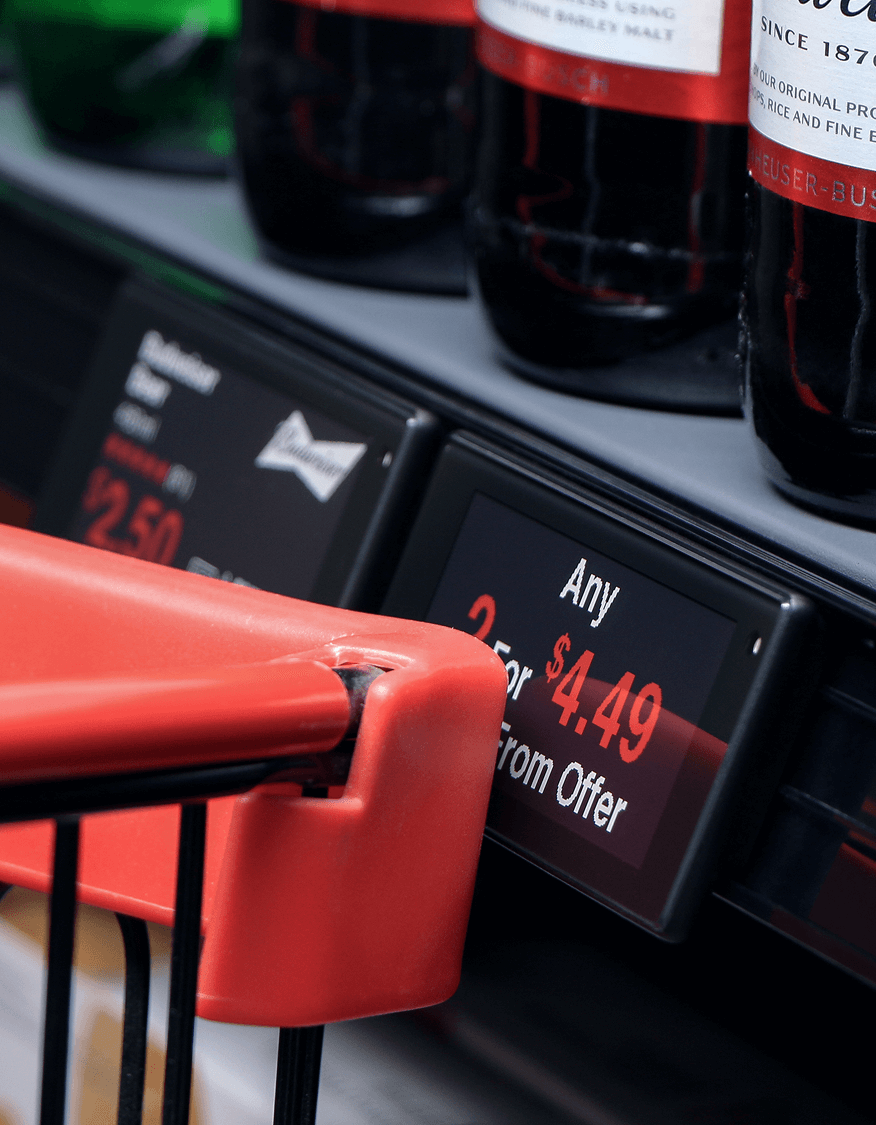
I once ran a pilot with 1,200 ESLs (electronic shelf labels) in a busy Monterrey supermercado in June 2022, and I still remember the chaos: price tags taped over, staff running with clipboards, customers frustrated—on one Friday we saw 20 shoppers hesitate at a mislabeled shelf and inventory mismatches climbed 14% last quarter; how much did we leave on the floor? Hanshow technology showed up in that mess as a practical fix I could trust within weeks, not months. As someone who’s worked over 18 years in retail tech, I’ll tell you plainly: traditional paper tags and manual price boards fail because they were never built for speed, accuracy, or the reality of peak hours.

I’m talking specific pain points here — slow markdowns that missed flash sales, human typos during holiday rushes, and the labor hit from hourly repricing. In Guadalajara I replaced old labels on aisle 7 with e-ink displays and connected them to a local IoT gateway; within 48 hours we reduced price-change labor by two full-time shifts. That’s a real, countable outcome (and sí, it felt muy bien). The problems aren’t sexy: fading print, sticky tape, confusing SKUs — but they matter. As I’ve advised wholesale buyers and retail managers, the choice isn’t about bells and whistles; it’s about predictable minutes saved and fewer price disputes at checkout.
Transitioning from that mess to a smoother day — keep reading to see what actually changed.
What comes next: the tech layer and how to evaluate it
What’s Next?
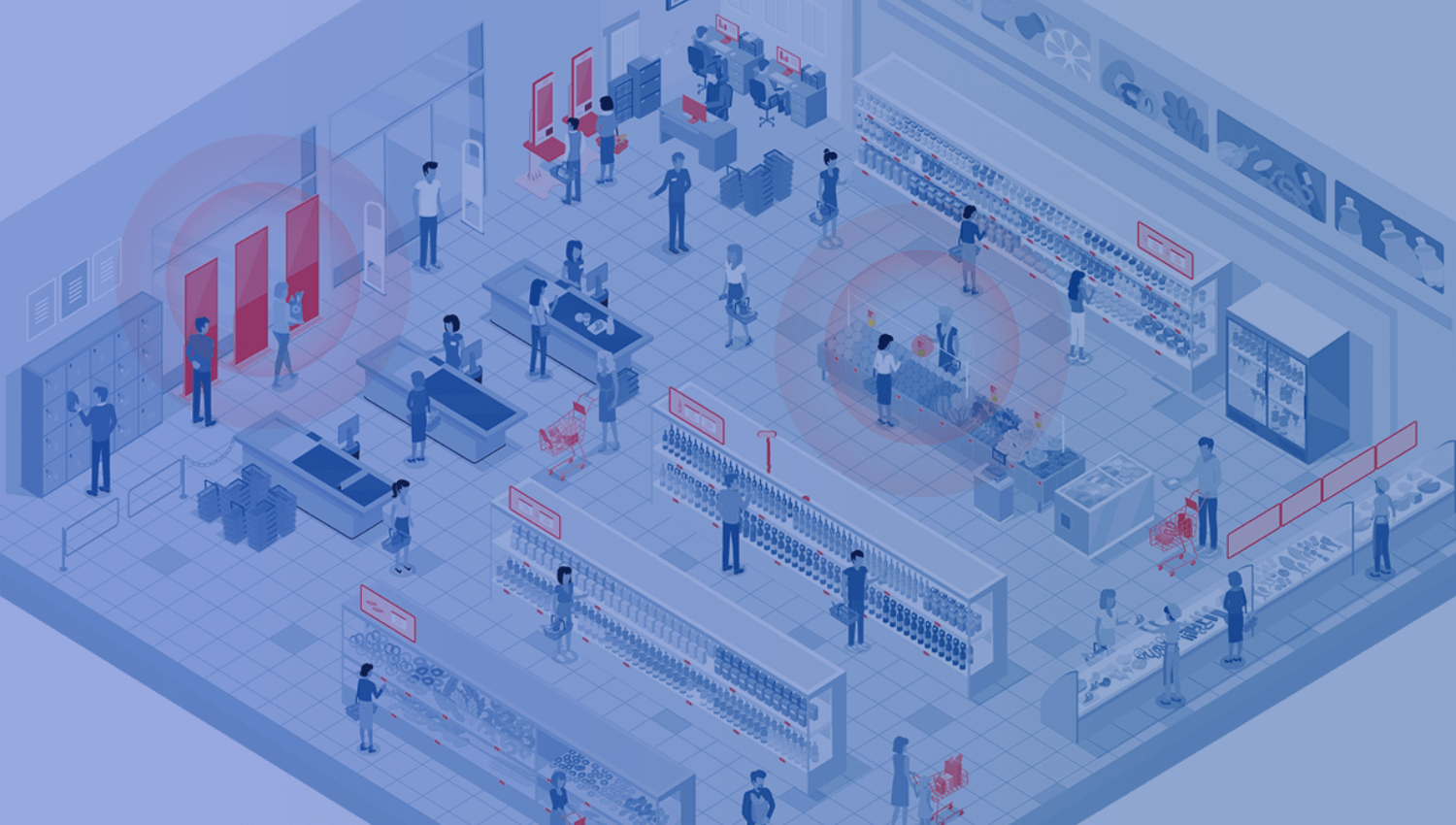
Now let me break down the tech without the fluff. ESL hardware (e-ink displays), BLE connectivity, reliable firmware updates, and a clean API are the core pieces; they must work together. I’ve audited systems where the e-ink panels were great but the gateway failed under load — one vendor’s IoT gateway dropped packets during a weekend promo, and prices lagged. That taught me to test under stress: simulate 3,000 simultaneous updates before signing anything. Also — small note — local compliance (tax labels, bilingüe overlays) matters a lot in Mexico’s mercado realities.
When I compare vendors, I check three things: update latency, battery life under heavy cycles, and how straightforward the backend is for my store teams. In a trial for a Monterrey distribution center in March 2023 we measured update latency of 1–2 seconds on one system and 30+ seconds on another; that twenty-eight-second gap translated to real lost sales during a promo. So when I talk to digital price tag manufacturers I ask for those numbers up front — and yes, I want references from stores in the same time zone and climate. (No surprises, pues.)
How to pick—practical metrics from my bench
I’ll be direct: choose suppliers by measurable outcomes. Here are three evaluation metrics I insist on when assessing any system — they saved my teams time and my clients money. 1) Update Latency: measure average and peak times for bulk price changes during promotions. 2) Operational Uptime & Battery Life: insist on field data showing months of real-world runtime with your typical update cadence. 3) Integration Simplicity: verify the API and ERP hooks with a live sandbox; can your POS and inventory sync without nightly babysitting? These are not marketing claims — ask for test logs and a short on-site pilot (14 days minimum).
I’ve seen vendors promise enterprise-grade support and then vanish during a Black Friday run; don’t be that buyer. Pick systems that treat firmware, BLE mesh stability, and backend APIs as core features, not extras. Final thought — staff adoption matters: if your cashiers and floor managers don’t trust the readouts, the tech sits unused. So pilot, measure, and then scale. For practical work and vendor leads, I often point teams toward trusted digital price tag manufacturers I’ve vetted in-store. Anyway — I’ll keep digging into real deployments and lessons (short interruptions happen, right?) so you can make decisions with fewer surprises. Gracias — and check out Hanshow for more on what worked for me.

