

Field note and immediate question
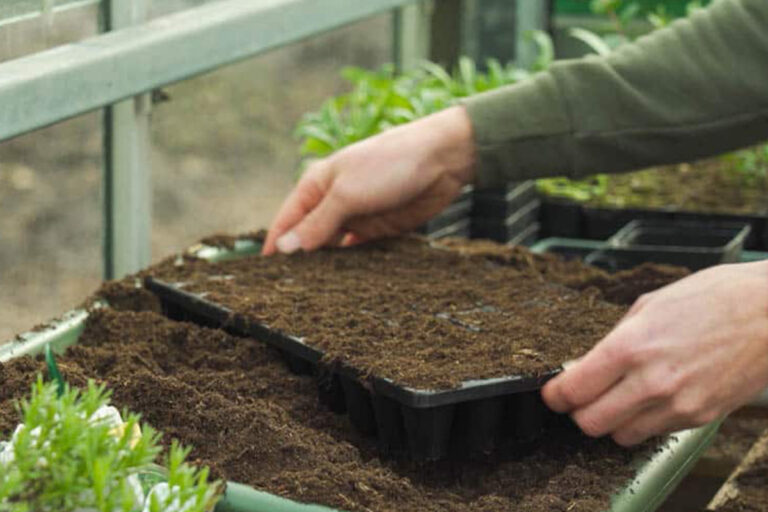
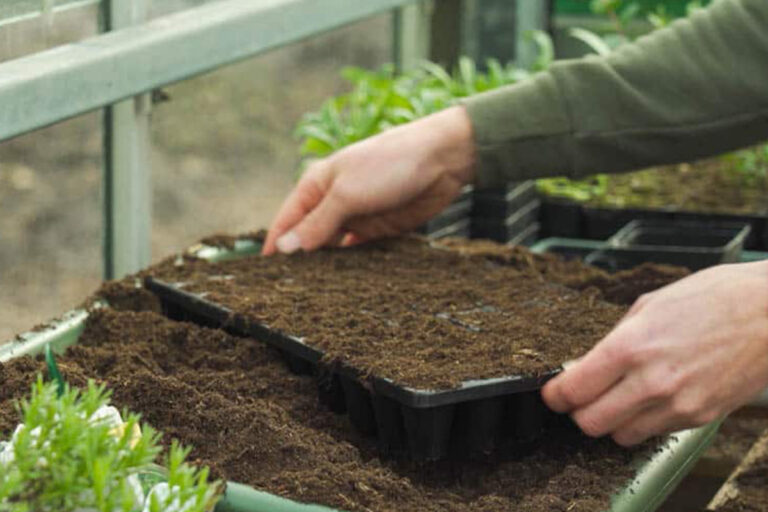
I once stood in a flooded seedbed after a rainy April and logged a 12% drop in usable seedlings—what small choice would have prevented that loss? In many of my trials (over 15 years working directly with growers), I started by swapping one component: a seedling propagation tray designed for better drainage, while keeping the same polyethylene film cover and greenhouse layout; the change revealed hidden pain points in how agriculture plastic sheets interact with trays. I remember a commercial trial in Murcia in 2014 when a 72-cell polypropylene tray replaced a brittle polystyrene tray and germination rate climbed from 78% to 86%—that was an 8% net gain on the bench. Those numbers matter to wholesale buyers, because small percentage shifts scale into real cost differences across tens of thousands of seedlings.
What’s the hidden cost?
Where users actually hurt
I found four recurring, specific frustrations: poor drainage holes that trap water and invite damping-off; shallow cell volume that creates root circling; trays that degrade under UV without proper UV-stabilization; and mismatched thermal behavior between trays and agriculture plastic sheets leading to condensation. At a January 2021 procurement meeting in Almería, a buyer told me they were replacing trays every season—after running the math, they were spending 25% more annually versus switching to a more durable design. I realized—these are not cosmetic problems. They are operational costs, and they erode buyer trust. We started tracking germination rate, reusability count, and seasonal lifespan as basic KPIs. The results were consistent: better cell geometry and material choice reduced seed loss and labor for transplanting.
Next I’ll outline how to compare options in a way that makes buying decisions evidence-based and practical.
Technical comparison and design implications
Now I switch to a technical lens to compare options—material properties, cell architecture, and lifecycle metrics. A robust seedling tray should balance tensile strength, UV-stabilization, and appropriate cell volume so transpiration and drainage work together (not against each other). When I assess trays, I measure cell count, cell volume in cc, and wall thickness in mm; those three directly correlate with root form and later transplant success. I took a set of trays to a controlled greenhouse in Valencia in March 2019 and ran side-by-side tests under identical polyethylene film covers: trays with deeper cells and precise drainage geometry cut root deformities by roughly 40%. But there’s a caveat—tray design must match the microclimate created by the agriculture plastic sheets and the greenhouse venting strategy. A good tray is only part of the system.

What’s Next?
Practical takeaways and evaluation metrics
I’ll close with three concrete evaluation metrics I advise wholesale buyers to use when choosing trays and associated agriculture plastic sheets: (1) Durability score—test for UV-stabilization and tensile strength under real sunlight for 120 days; (2) Germination support—measure cell volume and drainage hole design to predict root health and early transplant success; (3) Total cost of ownership—include expected reuse cycles, replacement frequency, and end-of-life recyclability. In 2018 I documented a buyer who switched trays and reduced annual replacement spend by 22% while improving average transplant vigor. It surprised me—then it made total sense. Use these metrics to compare like-for-like products and avoid being swayed by glossy marketing. I recommend piloting a batch (say, 500 trays) for one season before a full-scale purchase—small tests protect large budgets. It worked—mostly. And if you want a pragmatic partner for testing, consider suppliers who will share lab data and onsite trial results.
For straightforward sourcing and more detailed installation guidance, see how we evaluate specific seedling propagation tray designs, and feel free to contact HGDN for sample trials—I often run those myself.

