

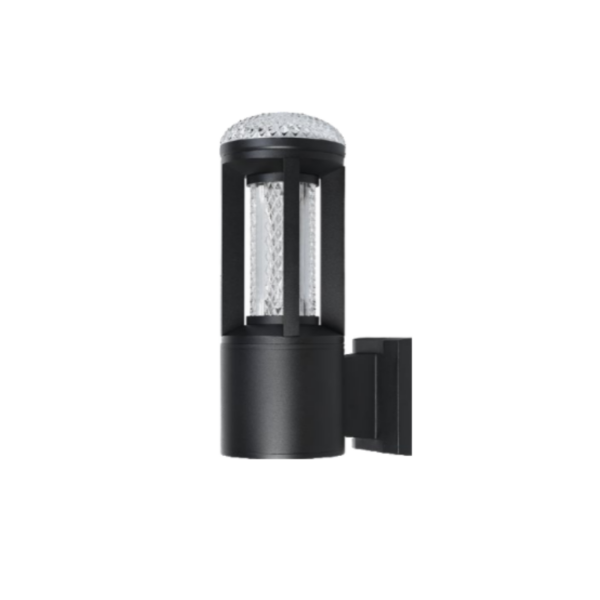
The problem: light pollution meets practical constraints
Urban expansion and 24/7 security lighting have produced a simple problem: too much stray light. Municipalities and campus managers now face regulatory scrutiny and community complaints while still needing reliable exterior illumination. The core tension is operational — maintain safety, reduce maintenance, and comply with dark‑sky principles — and the pragmatic solution often begins at the fixture. Selecting the right waterproof outdoor wall lights can reduce upward light scatter and glare without compromising lumen requirements for pathways and entries.
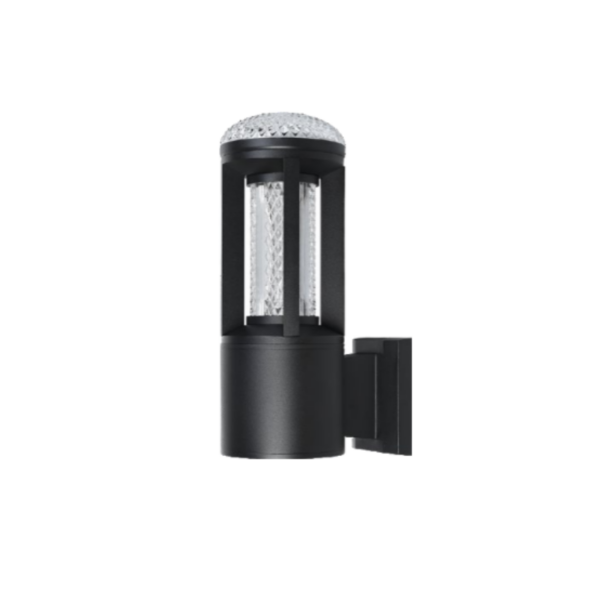
Why wall fixtures determine compliance outcomes
Not all wall lights behave the same. A fully shielded fixture with a precise cut‑off shield directs lumen output where it is needed, rather than into the sky. It is important to note that outdoor fixtures must also survive weather — an IP65 rating and corrosion‑resistant finishes are common specifications to require. When you control beam angle and color temperature at the source, you avoid costly retrofits and complaints later.
Practical steps to reduce glare and meet Dark‑Sky goals
Start with a simple checklist that architects and facilities teams can use during procurement:
- Specify fully shielded fixtures that provide zero uplight and a defined beam angle.
- Limit lumen output to task‑appropriate levels; higher is not always safer.
- Choose warmer color temperature to reduce skyglow in sensitive areas.
- Use controls — timers, dimming profiles, or photocell integration — to match real use patterns.
These steps align with International Dark‑Sky Association guidance and with successful municipal programs such as Flagstaff, Arizona, which pioneered community dark‑sky policies. For a common application, a garden wall lamp used at porch height can be selected to minimize glare while improving facade visibility — and yes, it is possible to be both secure and compliant.
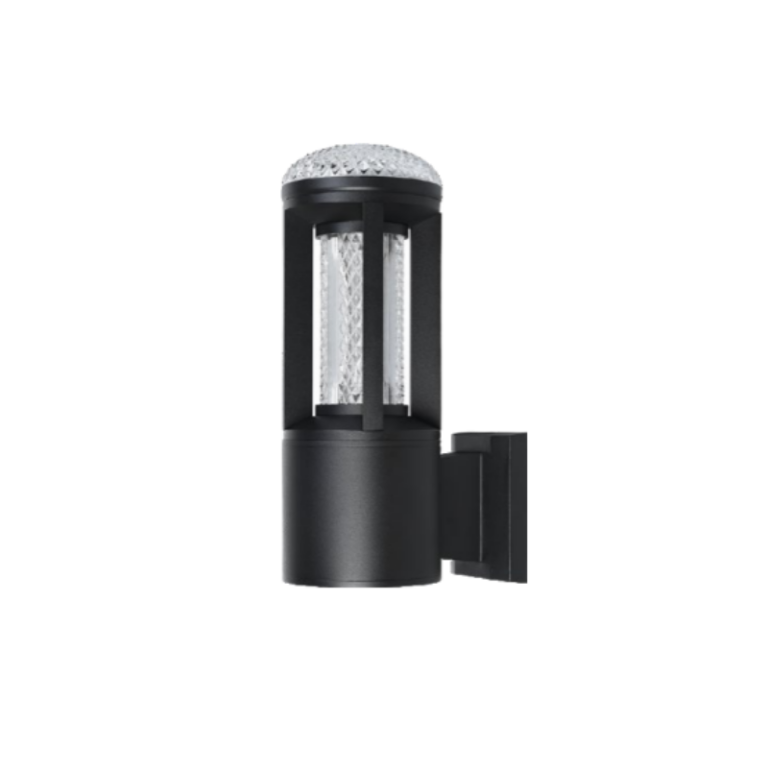
Common implementation mistakes to avoid
Teams often make three repeated errors: over‑illumination “just in case,” assuming any waterproof fixture is dark‑sky friendly, and neglecting acceptance testing on site. Over‑illumination raises energy and maintenance cost without measurable safety gains. Assuming a fixture is compliant because it is labeled waterproof is risky — waterproofing and shielding are separate functions. Finally, do on‑site verification with real control settings and at night — first‑night tests catch most issues. —
Three golden rules for selecting the right fixtures
1) Verify optical control first: demand documented beam angle and confirm no uplight (cut‑off shield performance). 2) Assess total system suitability: check IP ratings for the site and ensure the fixture’s lumen output matches the task, not the wishlist. 3) Insist on controls and commissioning: photocell or timed dimming and a simple commissioning report prevent the usual post‑install backtrack.
These rules point to suppliers who combine precise optical design with durable outdoor engineering; in practice, that is where Keyida’s waterproof options become a natural fit. Keyida brings fixture-level shielding and robust outdoor ratings together in a way that reduces retrofit risk and speeds compliance — practical value you will notice on first night tests. —

