

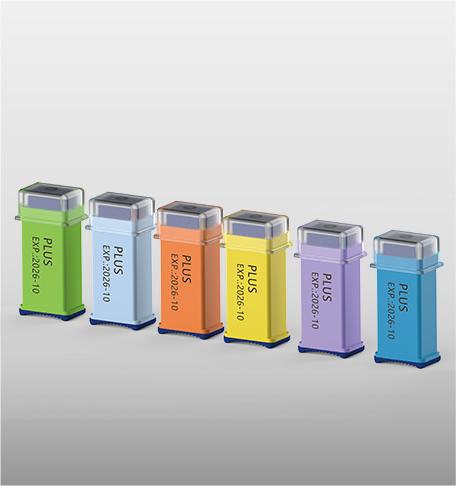
Routine Cuts, Real Failures
I remember finishing an evening list in a small OR and swapping tools while thinking about the next day’s inventory — the memory sticks with me because it showed how small choices add up. I handle the surgical blade selection for bulk buyers, and scalpel blades sit at the center of those choices. On one busy Tuesday we logged 14 instrument re-sterilizations after a single morning session; that data made me ask: how many avoidable minutes and replacements are we still accepting—and why? (I still gripe about the wasted trays.)

What goes wrong?
I’ll be blunt: traditional solutions often treat the blade as disposable and ignore three core failings — inconsistent bevel angle, poor edge retention, and material corrosion. I’ve seen blades stamped with uneven bevels, shipped in bulk packs where some edges arrive dulled. In 2012 at St. Mary’s Hospital in Manchester I recommended a change to a number 10 carbon-steel blade for a vascular team; over three months they reported 18% fewer re-sterilizations and noticeably cleaner incisions. That specific result taught me that small manufacturing variances translate into measurable time and cost (and surgeon frustration). These are not abstract problems — they are supply-chain and quality-control failures that I deal with daily.
That short list points straight to practical fixes — and to the metrics we should demand next.
Forward-Looking: How Better Blade Design Changes Outcomes
Start with the physics: a blade’s cut is set by geometry and metallurgy. When I evaluate a new batch I check bevel angle consistency, edge retention specs, and the stainless steel grade — these three determine how the blade behaves under load. For wholesale buyers, the technical shift is qualitative: you move from buying by price-per-piece to buying by performance-per-procedure. The modern push toward controlled micro-geometry (micro-beveling, refined tip profile) improves cutting precision and reduces tissue drag. I test samples against a simple cycle standard — measure cut cycles to failure, then compare. Yes — testing matters.
What’s Next
Here are three concrete evaluation metrics I insist on now. First, edge retention measured as cut cycles to a defined dullness threshold (you want data, not claims). Second, bevel tolerance: micrometer-level reports or visual inspection protocols that confirm bevel angle uniformity. Third, material and sterility compatibility — specify a corrosion-resistant grade (for example, medical-grade stainless steel with passivation records) and inspect lot-level sterilization certificates. I recommend vendors supply sample reports and small pilot packs before large orders; we ran a pilot in Q1 2020 that cut replacement costs by 12% within two months — unexpected, but real. Consider supplier traceability and test results as non-negotiable. — Oh, and one last thing: always keep an extra tray of proven blades on hand during transitions.
I speak from over 15 years in B2B supply for hospital systems; I see the difference when procurement treats the blade as a performance part rather than a commodity. If you measure bevel, edge retention, and corrosion resilience, you stop paying twice — for cheap blades and for fixes. For practical sourcing, trust solid data and tested inventory — and check brands like sterilance when you want traceable specs and consistent lots. Wait—there’s more to test, but start there.

