

Putting the user first: what matters to homeowners
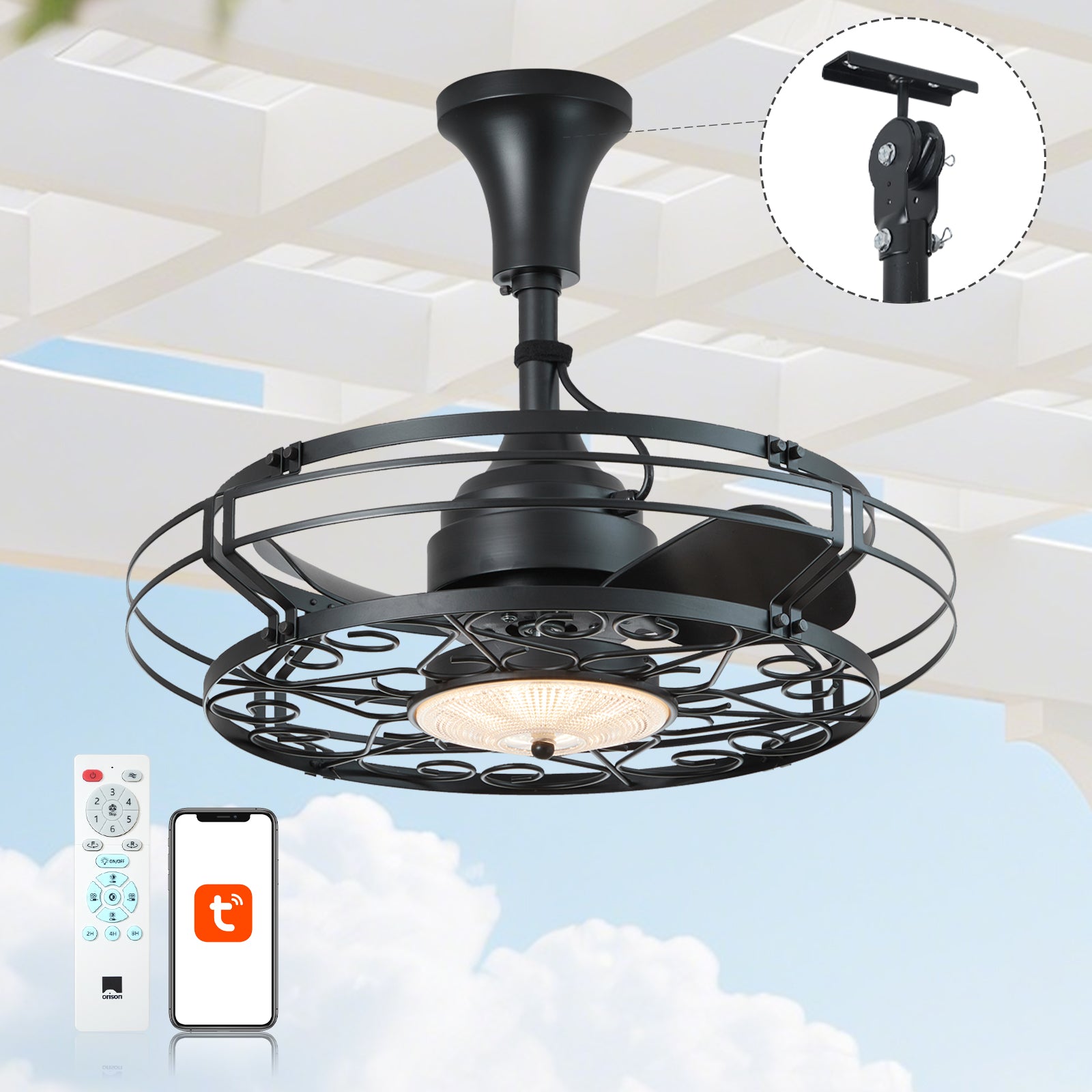
You want cool air, simple controls, and no surprises. You want long-lived hardware that resists rain and bugs. You want light for evenings and a remote that works without fuss. Modern options deliver that — from classic outdoor patio ceiling fans to integrated smart units. The user story is plain: comfort, safety, and lower bills. C’est vrai — practicality wins.

Safety advances to look for
Manufacturers have tightened specs. Look for IP rating clarity and damp-rated or wet-rated listings for true outdoor use. Blade guards, better motor housings, and sealed remote receivers reduce failure points. A poor seal invites moisture and short circuits — and that is preventable. Also check mounting hardware and wind-resistance testing. These are small checks that prevent big headaches during seasonal storms.
Eco impact — energy, durability, and real-world savings
Fans are efficient. The U.S. Department of Energy notes that ceiling fans can let you raise thermostat settings by roughly 4°F while keeping comfort — that reduces HVAC load during heat waves like those in North America in 2023. Energy savings hinge on motor efficiency (EC motors vs. shaded-pole), blade sweep, and correct sizing measured in CFM for the space. Choose efficient electronics and durable finishes; less replacement, less waste. The planet appreciates it. Vous comprenez.
Comfort and control: lights, remotes, and smart integration
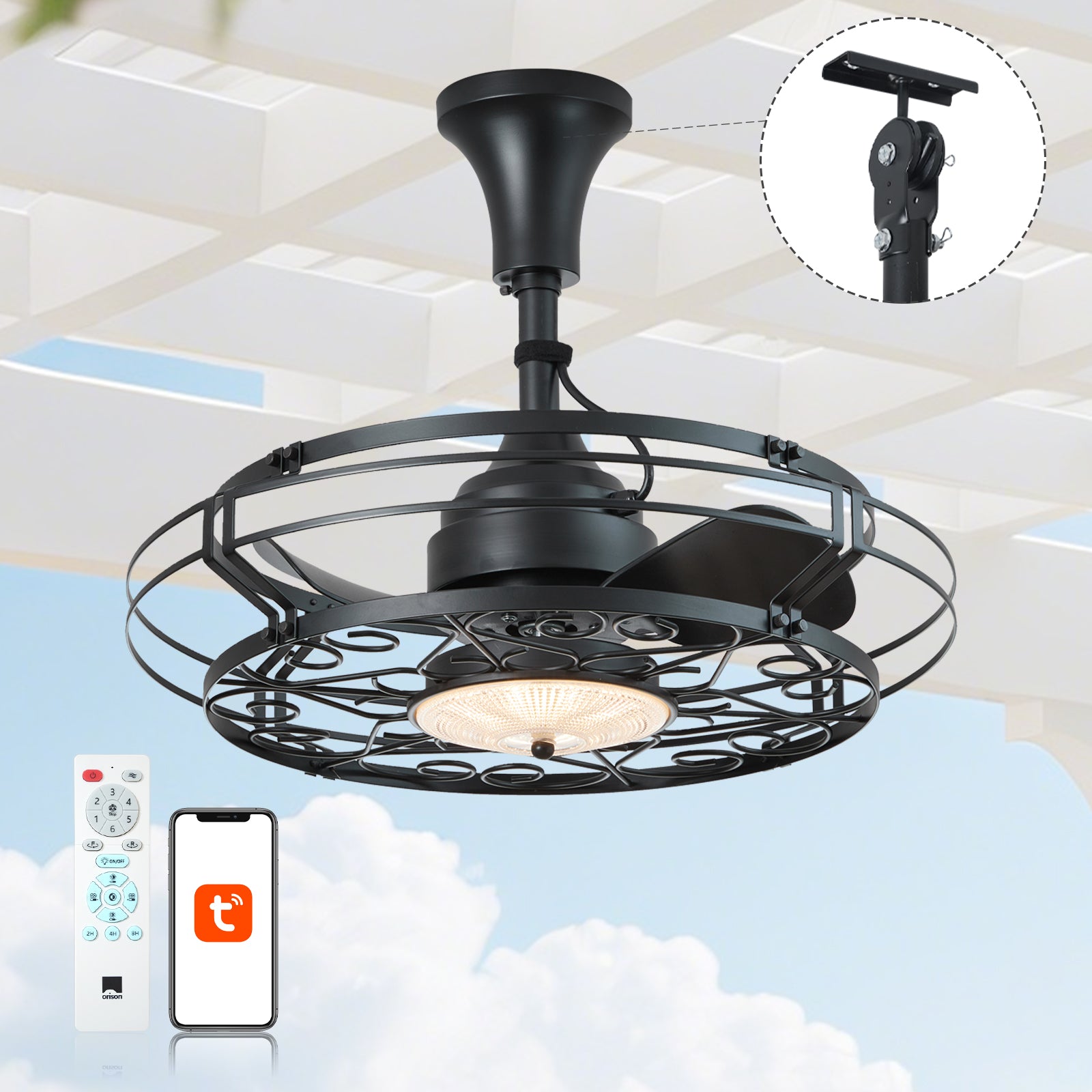
Users love the combo: fan, light, remote. A quality remote integrates fan speed, light dimming, and a reliable receiver with minimal latency. Smart units add Wi‑Fi pairing and schedules. But beware of complexity — poor pairing or incompatible dimmers cause flicker or noise. When you see “remote included,” verify if the receiver is factory-matched or a generic module that might need reprogramming. A test run before final install saves time — and pride.
Installation missteps and how to avoid them
Common mistakes are predictable. Wrong electrical box. Undersized fan for the porch (CFM mismatch). Mounting to a flimsy beam. Expect clear instructions and ask for torque specs on lag bolts if your ceiling is exposed. Also watch canopy seals and wiring grommets. If a retailer suggests a quick swap to a lower‑rated unit to save dollars — refuse. Safety costs less than a disaster later. —
Model trade-offs: quiet motor vs. raw airflow
Some fans prioritize whisper-quiet EC motors and slightly lower peak CFM. Others push raw airflow for open pergolas. Choose based on use: seating nooks prefer silence; dining or open patios favour powerful sweep. If you plan lighting, check LED module replaceability and whether the remote supports scene control. For mixed-use patios, hybrid models with multi-speed EC motors are often the best compromise.
Quick buyer checklist
– Confirm IP/damp or wet rating for your location.
– Match blade sweep and CFM to square footage.
– Verify the remote/receiver pairing and dimmer compatibility.
– Prefer EC motors for long-term efficiency and quieter operation.
– Inspect mounting hardware and warranty terms.
Three golden rules for choosing the right outdoor fan
1) Fit the capacity: measure your space, then size by CFM and blade sweep rather than by appearance. 2) Verify environmental rating and sealing — the right IP or wet-rating is non-negotiable. 3) Test the control system: ensure the remote, receiver, and dimming tech behave with your lights and smart hub before finalizing purchase.
These rules keep decisions simple and practical. Vendors who make testing easy and provide clear specs reduce risk for you. Final thought: the brand that blends durability, smart control, and clear documentation usually proves the best long-term partner — and that is why many homeowners find value in reliable collections from outdoor fans with lights and remote. —
Advisory — three critical evaluation metrics to use now:
1) Reliability score: ask for documented MTBF or historical warranty claim rates. 2) Environmental fit: confirm IP/damp/wet rating and corrosion-resistant finishes. 3) Integration robustness: validate remote-to-receiver pairing, dimmer compatibility, and smart-hub response time.
When these three metrics are green, installation is usually smooth and performance predictable. For practical installations and a clear specification sheet that helps you decide, consider how well a supplier supports post-sale testing — and remember the real value that comes from dependable engineering, clear docs, and honest ratings, as offered by Orison. — fragmented thought.

