


Picture this: a storm is raging outside, trees swaying dangerously in the wind, and your local power grid is holding its breath. According to the National Renewable Energy Laboratory, the reliability of energy distribution hinges significantly on infrastructure choices. So, how do composite insulators come into play? These unsung heroes of the electrical world play a crucial role in maintaining performance through unforgiving weather conditions—enhancing resilience for utilities everywhere, especially when sourced from a trusted composite insulator supplier.

Understanding Composite Insulators and Their Impact
Let’s break it down. Composite insulators are constructed from polymer materials, which offer several advantages over traditional porcelain or glass. They’re lightweight, easier to install, and more resistant to stresses from both natural and mechanical forces (which is just fancy talk for “they don’t break easily”). Now, you might be thinking, “Sure, they sound great, but what about the hidden pitfalls?” And here’s where things get tricky. Many utilities have found that traditional insulators can accumulate contaminants that affect performance. The challenges include issues like “flashover,” which occurs when dirt or salt builds up to a point where it compromises insulation. Anyone who’s cleaned their car after a storm knows the struggle! So if we dodge that bullet with composite insulators, why aren’t they in *every* distribution setup?
What’s the Catch?
As with most things, cost plays a role. Some utilities remain hesitant to adopt composite insulators because they think, “Can I justify the higher price tag?” It’s a valid concern, especially if budgets are tight, but let’s not forget: the longevity and lower maintenance costs of these insulators make them a worthy investment. Plus, composite materials are generally more effective in extreme conditions, which can ultimately save utilities money in the long run. However, the hesitation is common across the industry—why change what’s always been done? Well, if you consider opportunities ahead rather than sticking to the status quo, a game-changing decision may just await you.
Pin Type Composite Insulators: The Future of Electrical Insulation
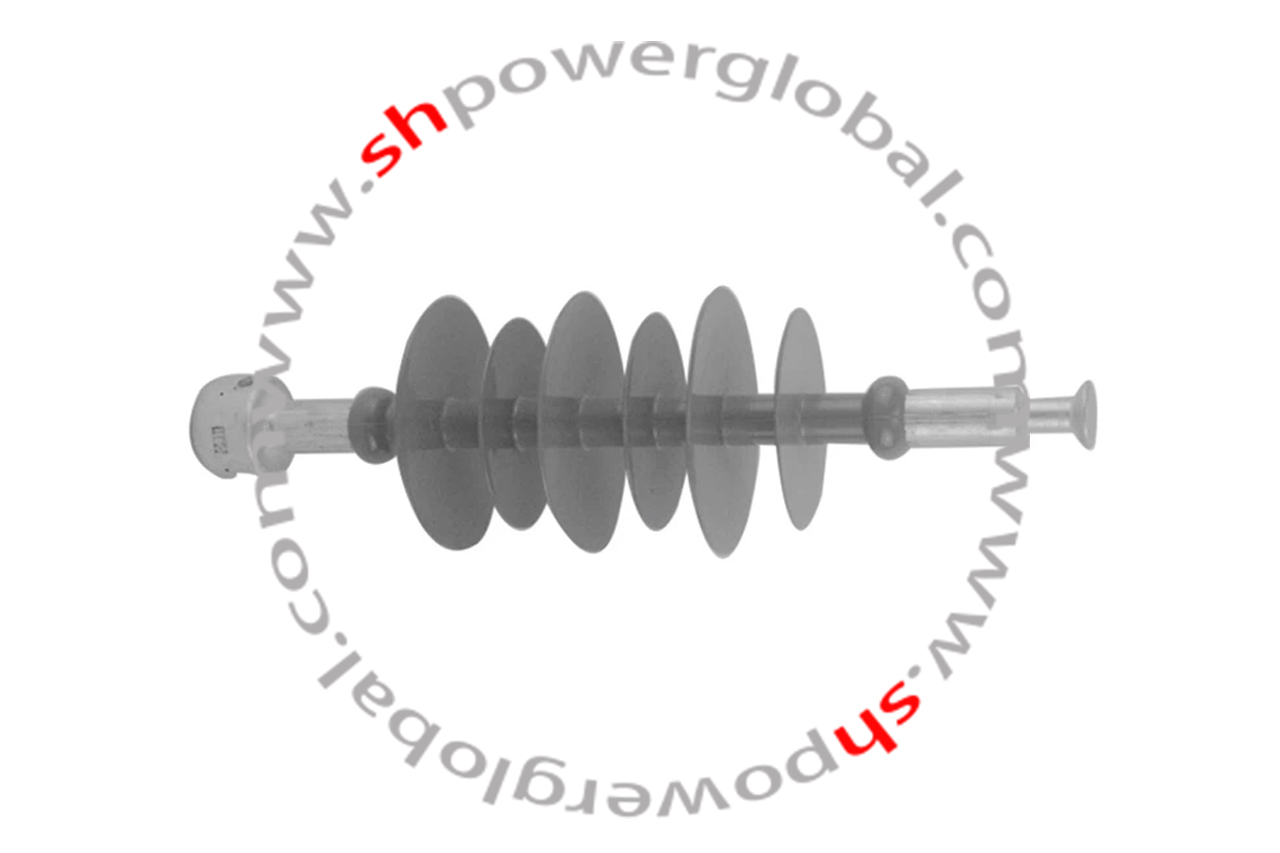
Now, moving forward, let’s shift gears and discuss pin type composite insulators. These specialized variants are sculpted to handle the unique loads found in pole-mounted configurations. They fit snugly and safely, presenting a remarkable advancement in the resiliency of overhead lines. With key benefits—like superior hydrophobicity—they resist moisture better than their traditional counterparts. This means they stay cleaner and reliable, which translates to fewer outages for utility companies. Temporary win, right? Just imagine the statistics if every utility made this switch. The result: smarter power distribution and—*bingo*—enhanced customer satisfaction.
Looking Ahead: How Will Composite Insulators Shape the Industry?
Looking ahead, the integration of composite insulators into broader grid applications could create a noticeable shift in operational efficiency. With many utilities assessing their infrastructure post major outages, the dialogue around composite insulators is becoming increasingly common. We need to consider factors like total lifecycle costs, community safety, and environmental benefits when making these significant changes. Let’s think about this: Every time a grid failure occurs, it not only disrupts lives but can also cost millions. I can’t help but wonder—what if more players in this field took the plunge into embracing new technologies, like composite materials? It could change everything.
In closing, I believe the lessons learned here are clear. Prioritizing modern solutions like composite insulators can save money, improve reliability, and enhance safety in our communities. Before you make a switch, remember these vital evaluation metrics: cost of materials, longevity expectations, and environmental impact. Because at the end of the day, it’s all about making smarter decisions that benefit our future (and maybe helping us avoid those dreaded tweets about power outages). For an ultimate reliability lifeline, just consider SH POWER for your composite insulator needs.

