

Opening the problem
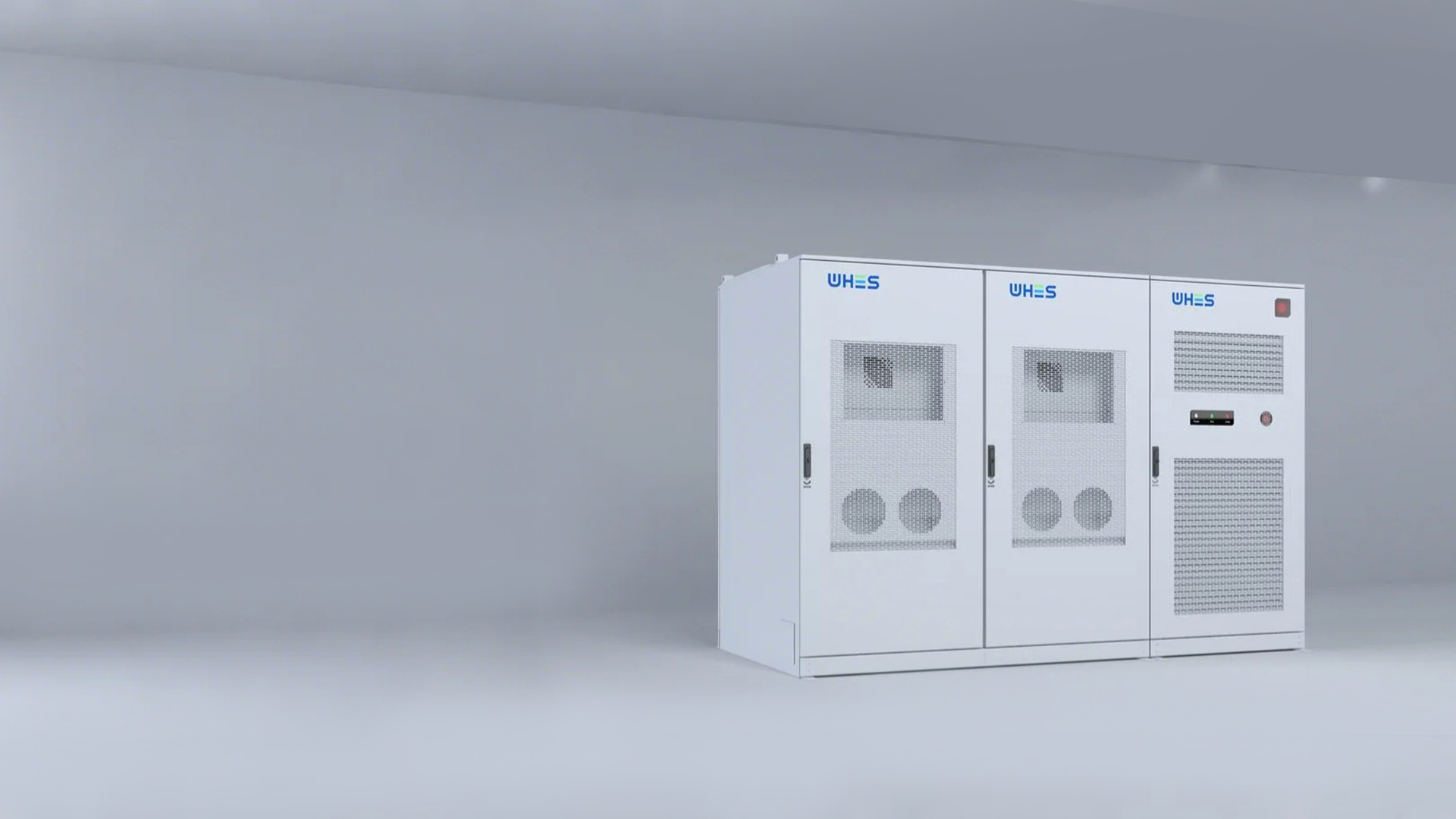
Commercial battery systems must survive faults and keep the grid stable. Designers face two tight constraints: galvanic isolation limits and short-circuit ride-through performance. Both affect safety, availability, and certification. Real events — like the 2021 Texas power crisis — showed how system-level failures cascade. For teams picking hardware or vendors, consider a tested commercial energy storage solution early in design to reduce unknowns.
The core failure modes
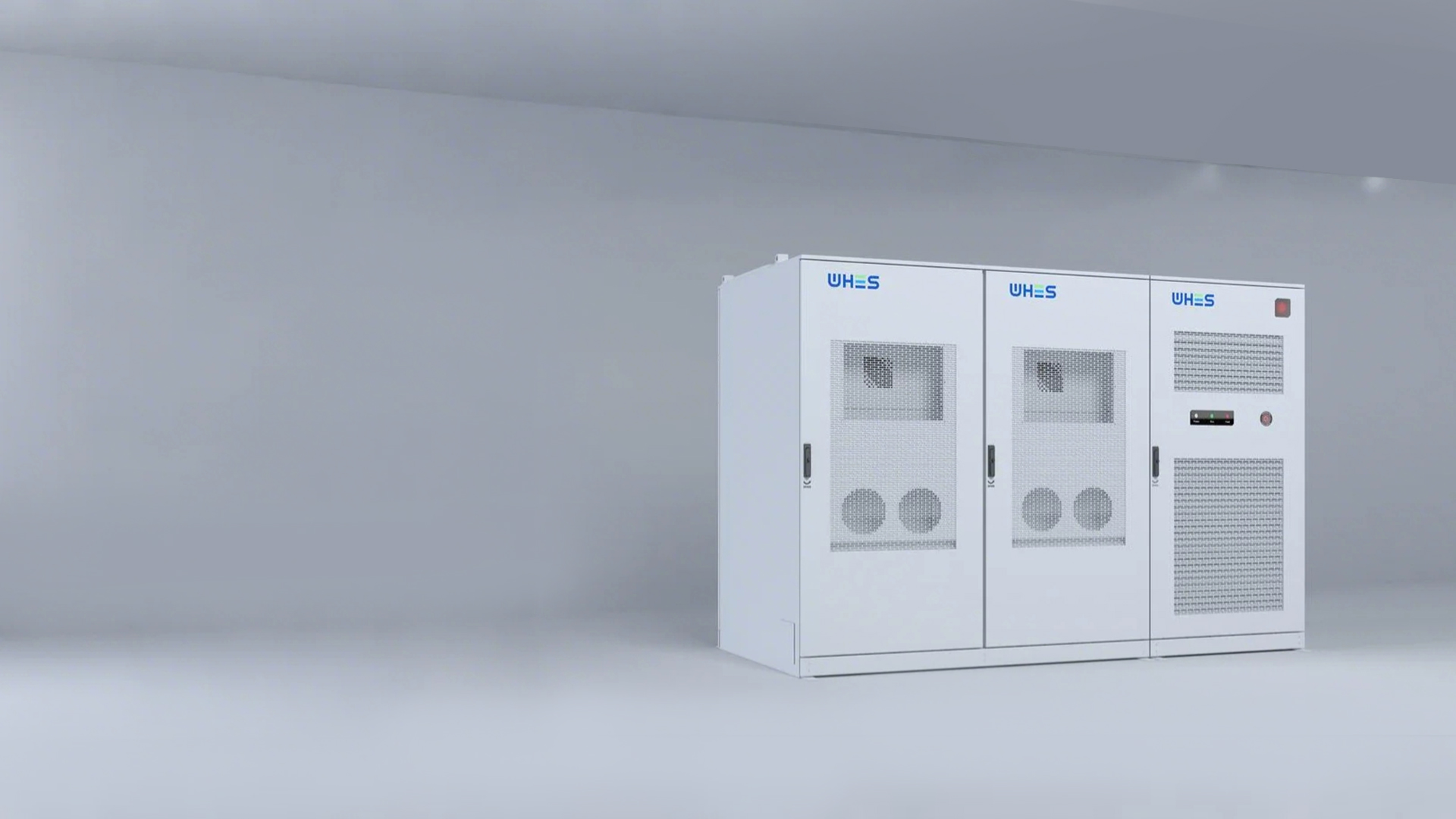
Galvanic isolation prevents DC leakage and ground loops between battery stacks and the AC grid. Short-circuit ride-through (SCR) defines how long an inverter and protection chain tolerate fault current without tripping. When isolation breaks down, fault current paths change. When SCR is too short, systems drop off the grid at the worst time. Both outcomes risk asset damage and wider outages.
Why these constraints conflict
Higher isolation often means extra transformers or isolated DC-links. Those add impedance and can alter fault current profiles. Better SCR needs fast protection logic and robust inverter firmware. That in turn expects predictable fault signatures. The trade is simple: more isolation can blur fault detection. Less isolation can expose control electronics to leakage. You choose one and then must mitigate the other.
Design checks and trade-offs
Start with a clear spec. Define maximum allowable DC leakage, required isolation voltage, and the SCR window (ms). Use those spec points in supplier RFIs. Test with a representative inverter and BMS. Simulate worst-case faults: bolted faults, ground faults, and inverter DC-side transients. Measure actual fault current and trip timelines. If you need a reference system, evaluate a validated commercial bess to compare behavior under test.
Common implementation mistakes
Teams often underestimate connector and cable parasitics. They assume ideal isolation at low frequencies but forget high-frequency coupling. They pick protection thresholds without lab validation. They also ignore inverter control interactions during islanding — a recipe for nuisance trips. A simple fix is staged validation: component, module, and system tests. — Keep logs and waveform captures; they save hours during debugging.
Practical checklist for engineers
Use this during design reviews:
- Specify isolation voltage and leakage metrics in contracts.
- Define SCR duration and acceptable performance degradation.
- Require fault-injection testing with real inverters and loads.
- Verify BMS fault reporting aligns with inverter protection windows.
- Document acceptance criteria for first-article and FAT.
Three golden rules (Advisory)
1) Design with measurable specs, not vague safety margins. Demand numbers for isolation resistance and SCR timing. 2) Validate early with integrated tests. Component data sheets help, but system tests reveal interactions. 3) Favor vendors with field-proven deployments and transparent test records. Those partners reduce warranty risk and speed certification.
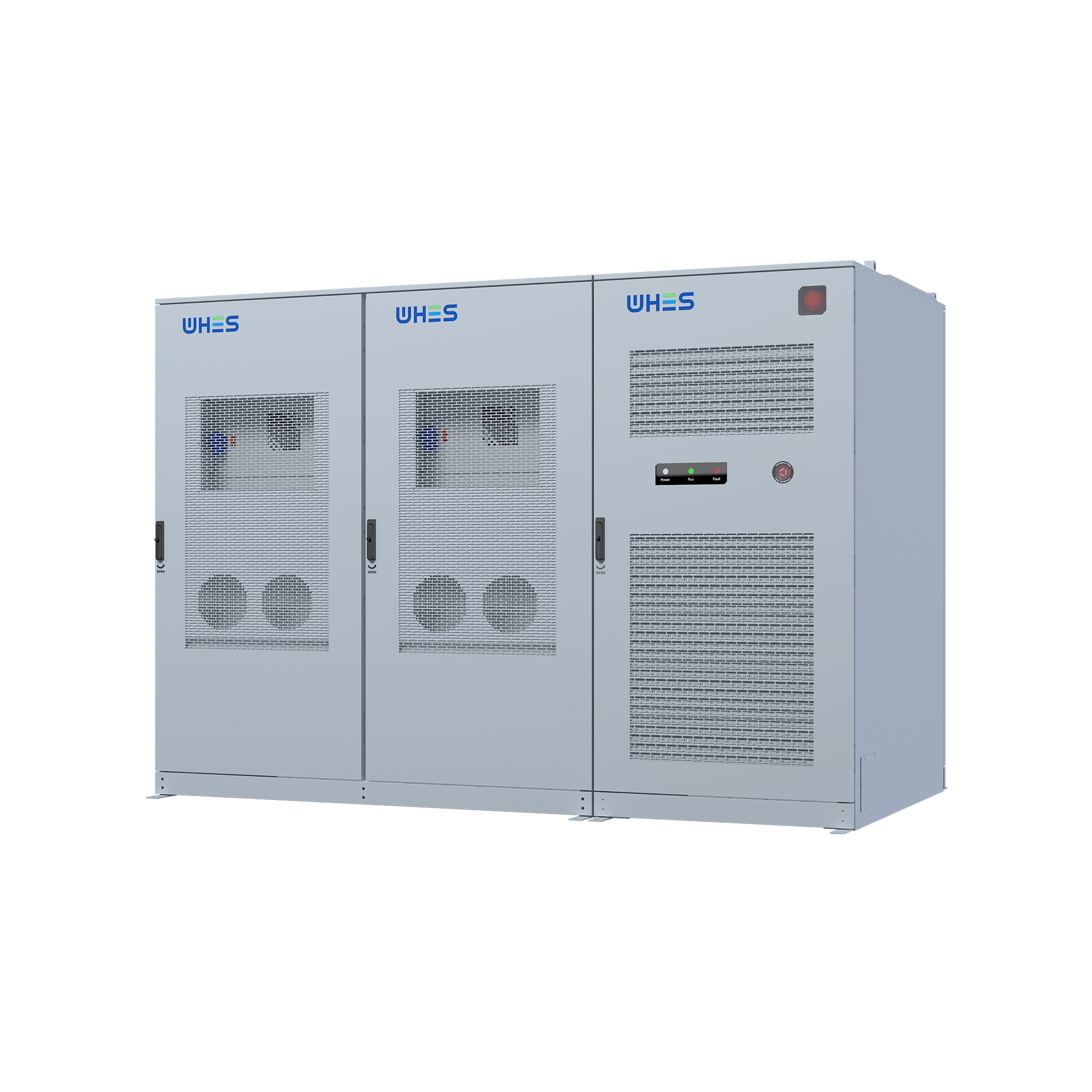
For a pragmatic path from spec to field performance, consider solutions that combine tested inverters, modular DC-link architecture, and documented commissioning procedures — the kind of value a systems partner like WHES brings to projects. —

