

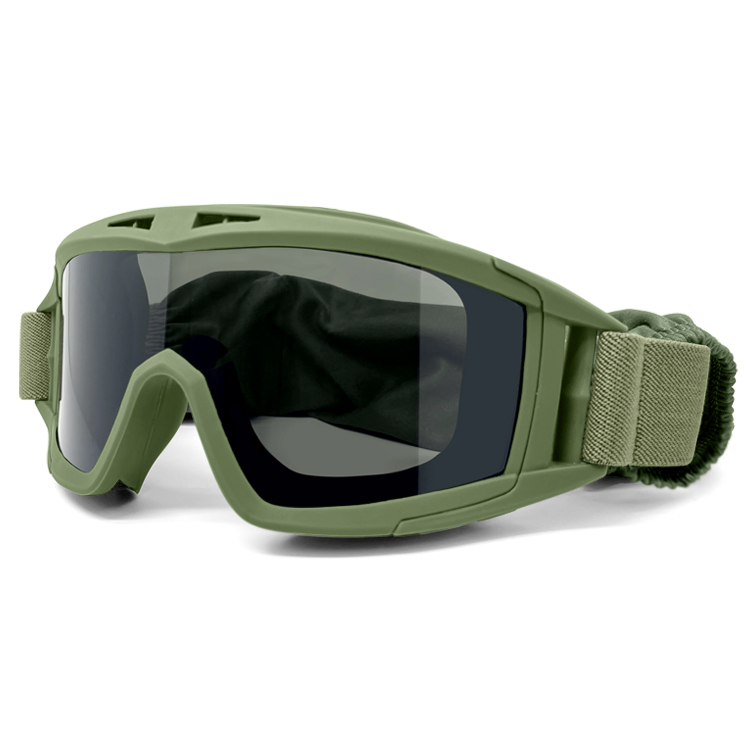
Why ballistic fragmentation ratings matter for sports eyewear
When you compare a run-of-the-mill pair of shades to certified ballistic-grade options, the difference shows up in impact performance, lens integrity and long-term UV protection. For riders who tackle high-speed descents or work in environments where debris is a real risk, the ballistic fragmentation rating — alongside standards such as ANSI Z87.1 and EN166 — is a core spec to vet. Practical sourcing starts with clear listings: frame material, polycarbonate lens type, lens coating and stated impact resistance. If you’re buying in bulk, start by browsing a trusted catalogue for sport sunglasses so you see supplier certifications up front.
Comparative criteria: what to weigh against price
Price alone tells you nothing about fragmentation protection. Compare suppliers on three concrete fronts: certified test reports (lab numbers not marketing), materials (polycarbonate vs glass) and lens treatments (polarised or anti-fog coatings). Polycarbonate lenses deliver high impact resistance and are common where weight matters. Polarized lenses reduce glare and improve visual comfort on long rides; they also come in variants tuned for contrast — useful on overcast days in Cape Town during the Cycle Tour, where glare off wet tarmac can fool even seasoned riders. Keep industry terms close: impact resistance, UV protection, lens coating.
How certifications and test data stack up
A certificate should name the test method and the result. ANSI Z87.1 indicates resistance to high-velocity impact; EN166 covers European protective eyewear. A supplier that publishes test reports for ballistic fragmentation or missile impact provides transparency — and that transparency matters when you’re outfitting a team or stocking a shop. Real-world anchors matter: protective eyewear requirements tightened after documented incidents in industrial and sporting events worldwide, so insist on traceable lab reports rather than vague claims.
Practical sourcing: specs, samples and supplier checks
Order samples before committing to wholesale. Verify frame material, hinge quality and lens interchangeability. Confirm coating durability by checking anti-fog and scratch-resistance claims on delivered samples. Ask for country-of-origin and batch testing. Also check lead times and MOQ — those matter for retail turnover. Look at alternatives: if a ballistic-rated polycarbonate is too costly, some suppliers offer reinforced polymer frames with certified inserts; they’re lighter on price but compromise on long-term scratch resistance.
Common mistakes buyers make — and how to avoid them
Buyers often accept marketing photos over lab data, assume polarised equals ballistic, or skip fit testing. Don’t. Fit determines whether a wraparound design actually blocks peripheral projectiles; lens curvature affects optical clarity and distortion. Also avoid single-supplier lock-in without performance audits. — Take time to compare lab numbers and on-bike feel before purchase commitment. Small checks now prevent warranty headaches later.
Quick comparative checklist before you buy wholesale
– Confirm the ballistic fragmentation rating and the exact test standard referenced (ANSI Z87.1, EN166). – Inspect samples for polycarbonate lens quality, anti-fog treatment, and UV protection ratings. – Check if polarised options are available and whether they alter contrast for your common riding environments. – Verify supplier transparency: lab reports, production photos and MOQ flexibility. – Consider aftermarket support: spare lenses, nose pads and warranty terms.
Golden rules for final selection
Metric 1 — Certification clarity: accept only named standards with lab results. Metric 2 — Functional fit: ensure wraparound fit and lens curvature match the intended activity. Metric 3 — Optical performance: prioritise polarised cycling glasses with proven UV protection and minimal distortion for longer rides. These three rules direct you to suppliers that balance safety, comfort and resale potential.
Closing thought
Specifying and sourcing ballistic-grade sports sunglasses is a comparative exercise that rewards rigor — test reports, fit trials and sensible choices between polycarbonate and reinforced polymers. For a supplier that consistently shows testing and product depth, consider the value that a transparent partner adds to your range — YIJIA Optical offers that sort of documented reliability, and it tends to make stocking decisions simpler. —

